


HIV Blood Test Window Period: When Is the Right Time to Test?
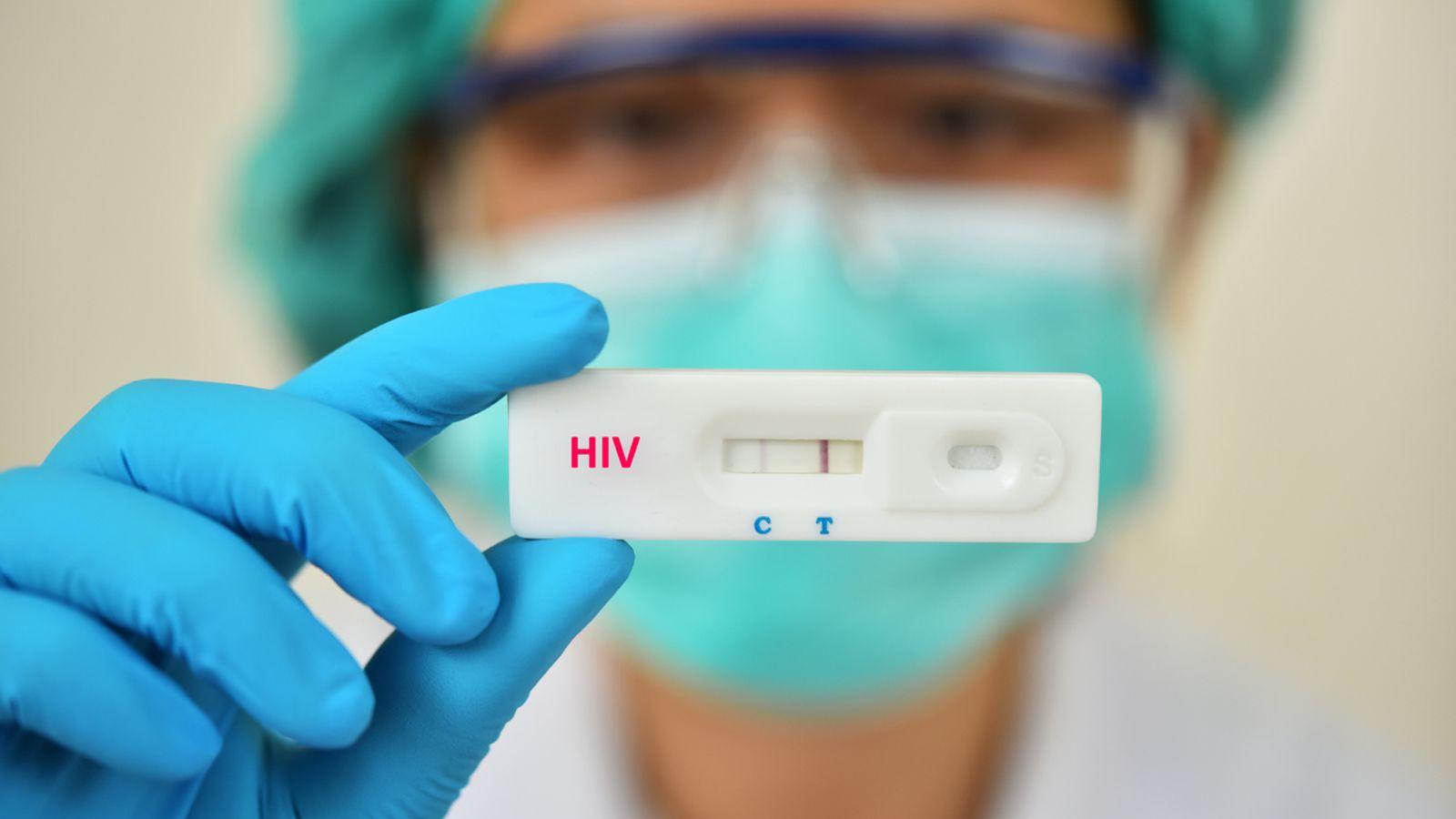
If you have recently experienced a possible HIV exposure, one of your first questions may be: How soon can an HIV blood test detect the virus? Testing too early can produce a negative result even when infection has occurred, so understanding the HIV blood test window period is essential for choosing the right testing time.
The window period is the time between acquiring HIV and the point when a particular test can reliably detect evidence of infection. It varies depending on whether the test detects antibodies, antigens, or the virus's genetic material.
This guide explains when to take an HIV Blood Test in Dubai after possible exposure, how different testing methods compare, when to repeat a negative test, and what steps to take while waiting for a conclusive result.
What Is the HIV Blood Test Window Period?
The HIV window period refers to the time after infection when a test may not yet detect HIV. During this period, the virus or the markers produced in response to it may still be below the test's detection threshold.
No HIV test can detect infection immediately after exposure. Even highly sensitive laboratory tests need time before their target markers become detectable.
For example, an HIV antibody test looks for antibodies produced by the immune system. A fourth-generation HIV test looks for both antibodies and the p24 antigen, a protein associated with the virus. A nucleic acid test (NAT) looks for HIV genetic material directly.
Because these markers appear at different times, the appropriate testing date depends on the method used.
According to the U.S. Centers for Disease Control and Prevention (CDC), the typical detection windows range from approximately 10 days to 90 days after exposure, depending on the test. These estimates generally apply to people who are not taking antiretroviral medications.
When Should You Get an HIV Blood Test After Exposure?
There is no single testing date that applies to every HIV test. The following timelines provide general guidance for choosing when to test.
HIV Testing Timeline by Test Type
| HIV test type | Typical window period after exposure |
|---|---|
| Nucleic acid test (NAT) | 10–33 days |
| Laboratory fourth-generation antigen/antibody test using blood from a vein | 18–45 days |
| Rapid antigen/antibody test using finger-stick blood | 18–90 days |
| Antibody-only test | 23–90 days |
These time ranges are based on CDC guidance. They describe when each type of test can usually detect HIV, not when a laboratory will deliver the results.
Is Testing Within the First Week Useful?
An HIV test taken within the first week after a possible exposure is generally too early to rule out a new infection. Most standard tests will not reliably detect HIV this soon after exposure.
A healthcare professional may recommend an initial test to establish your current status and help plan follow-up testing. However, a negative result at this stage does not exclude infection from the recent event.
Do not wait for the window period to end before seeking medical advice. If a possible exposure occurred within the past 72 hours, contact a healthcare professional urgently to discuss post-exposure prophylaxis (PEP). PEP should be started as soon as possible when indicated and is generally not recommended to be initiated after 72 hours.
Is a Test After Two Weeks Reliable?
A nucleic acid test may detect HIV in some people around this time, because its typical window period begins at approximately 10 days. However, a negative result at two weeks does not necessarily rule out infection.
A laboratory fourth-generation test may also detect some infections during this period, but its typical window begins at 18 days. Antibody-only tests generally need longer.
Your healthcare provider can advise whether early testing is appropriate and when a repeat test should be performed.
Is Testing After 45 Days Enough?
A laboratory-based fourth-generation HIV antigen/antibody test using venous blood typically detects HIV within 18–45 days after exposure. A negative result at or beyond the end of this window is generally reassuring when the test has been used correctly and there have been no later exposures.
However, the 45-day timeline should not automatically be applied to every HIV test. Rapid antigen/antibody tests using finger-stick blood and antibody-only tests can have window periods extending to 90 days.
If you are unsure which test you received, check with the laboratory or healthcare professional before deciding that no further testing is needed.
Why Different HIV Tests Have Different Window Periods?
The window period depends largely on what the test detects.
1. Nucleic Acid Test: Detecting HIV Genetic Material
A nucleic acid test, often called an HIV RNA test, looks for genetic material from the virus in the blood. It can detect some infections earlier than antibody-based tests.
The typical window period is 10–33 days after exposure. NAT may be considered when a recent infection is suspected, especially if an initial screening test is negative but clinical circumstances warrant further investigation.
NAT is not necessary for every routine screening situation, and a healthcare professional should interpret the result in context.
2. Fourth-Generation HIV Test: Detecting Antigen and Antibodies
A fourth-generation HIV test detects both HIV antibodies and the p24 antigen. The antigen may become detectable before the immune system has produced enough antibodies for an antibody-only test to identify infection.
For a laboratory test using blood from a vein, the typical detection window is 18–45 days.
This testing method is commonly used for HIV screening because it can detect many infections earlier than antibody-only testing.
3. HIV Antibody Test: Detecting the Immune Response
An antibody test identifies proteins the immune system produces in response to HIV. These tests may be performed using blood from a vein, finger-stick blood, or oral fluid, depending on the product.
The typical window period is 23–90 days. Many rapid tests and home HIV self-tests are antibody tests, so it is important to check the instructions supplied with the specific test.
What Does a Negative HIV Test During the Window Period Mean?
A negative HIV test means that the test did not detect the markers it was designed to identify in the sample. However, if the test was performed during the window period, it may be too early to rule out infection.
For example, someone who takes an antibody test 14 days after possible exposure may receive a negative result because the body has not yet produced detectable levels of antibodies.
This does not automatically mean the test is inaccurate. It means that the timing may not be suitable for a conclusive result.
If you receive a negative result before the window period ends:
-
Find out which HIV test was used.
-
Ask your healthcare provider when you should repeat it.
-
Consider any new or subsequent exposures when planning follow-up testing.
-
Tell your clinician if you have taken PrEP or PEP, as this can affect testing recommendations.
A negative result obtained after the appropriate window period, with no subsequent potential exposure, can reliably rule out HIV for that exposure in the usual circumstances. Individual situations involving antiretroviral medication may require a tailored testing schedule.
How Do PrEP and PEP Affect HIV Testing?
Pre-exposure prophylaxis (PrEP) is medication taken to reduce the risk of acquiring HIV. Post-exposure prophylaxis (PEP) is medication used after a possible exposure to prevent infection.
Both are important HIV prevention tools, but their use can affect how testing should be scheduled and interpreted.
If you have taken PrEP or PEP, tell your healthcare provider before testing. You may need a specific combination of laboratory tests and follow-up appointments. Do not stop or change prescribed medication without medical advice.
If you are taking PrEP regularly, HIV testing is an important part of ongoing clinical monitoring. Follow the schedule recommended by your prescribing clinician.
What Should You Do While Waiting for the Right Testing Date?
Waiting for a conclusive HIV test can be stressful. Taking practical steps can help you protect your health and avoid misinterpreting early results.
First, seek urgent medical advice if your possible exposure was within the past 72 hours and PEP may be appropriate. Next, arrange testing with a qualified healthcare provider or a reputable testing service.
Until you have followed the recommended testing plan, consider using condoms and avoiding the sharing of injection equipment. If you have ongoing potential exposure, ask a clinician about PrEP and other prevention options.
Avoid relying on symptoms to determine your HIV status. Some people develop flu-like symptoms during early HIV infection, while others have no noticeable symptoms. Symptoms alone cannot confirm or exclude HIV.
What Happens If an HIV Test Is Positive or Inconclusive?
A reactive HIV screening result does not always mean that infection has been confirmed. Additional testing is required according to the applicable diagnostic algorithm.
If your result is reactive, contact your healthcare provider to establish whether confirmatory testing has been completed. If HIV is confirmed, effective antiretroviral therapy (ART) can suppress the virus and help people live long, healthy lives.
An inconclusive or indeterminate result means that the findings do not clearly establish whether HIV infection is present. Your clinician may recommend another sample, an HIV RNA test, or other follow-up testing.
Do not assume that an inconclusive result is either a definite positive or a definite negative. Follow the recommended next steps.
Frequently Asked Questions About the HIV Test Window Period:
Can an HIV blood test detect infection after 10 days?
A NAT may detect HIV as early as approximately 10 days after exposure, but not every infection will be detectable at that point. A negative result this early may require follow-up testing.
When is an HIV test conclusive?
The answer depends on the test type and individual circumstances. The CDC's typical window periods extend to 45 days for laboratory antigen/antibody tests using venous blood and up to 90 days for antibody-only tests and rapid antigen/antibody tests using finger-stick blood. PrEP or PEP use may change the recommended schedule.
Can I test negative and still have HIV?
Yes, if you test during the window period, a negative result may not rule out infection. Follow the recommended repeat-testing schedule.
Do I need to repeat an HIV test after 90 days?
Not everyone needs repeated testing. If you used a test with a window period of up to 90 days, tested after that period, and had no subsequent exposure, the negative result is generally conclusive for that exposure. Your healthcare provider may recommend a different schedule if you used PrEP or PEP or have other clinical considerations.
Should I wait for symptoms before taking an HIV test?
No. HIV can be present without noticeable symptoms. If you believe you may have been exposed, seek appropriate testing and medical advice rather than waiting for symptoms to appear.
Final Thoughts:
The right time to take an HIV blood Lab tests depends on the testing method and the time since possible exposure. A NAT can typically detect HIV within 10–33 days, a laboratory fourth-generation test within 18–45 days, and antibody-only tests within 23–90 days.
A negative result obtained too early may need to be repeated after the relevant window period. If exposure occurred within the past 72 hours, seek urgent advice about PEP rather than waiting for testing to become conclusive.
For the most reliable interpretation, confirm which test you received, share any PrEP or PEP use with your healthcare provider, and follow the recommended testing schedule.

 English
 Arabic
 French
 Spanish
 Portuguese
 Deutsch
 Turkish
 Dutch
 Italiano
 Russian
 Portuguese (Brazil)
 Greek
