


What Should Buyers Ask Qixiang Red Handle Gas Valve Manufacturers
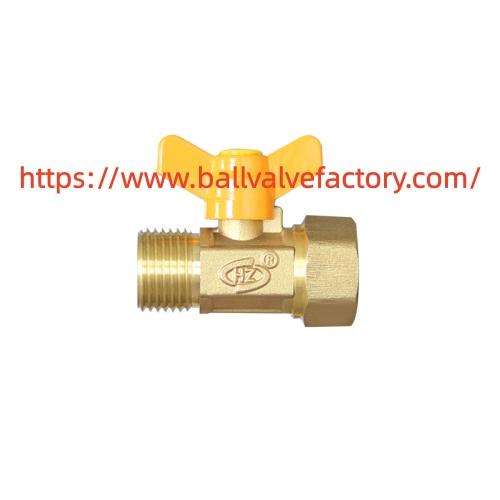
Red Handle Gas Valve purchasing decisions should begin with clear questions about the intended application, technical specifications, and product documentation. For importers, distributors, and equipment manufacturers, speaking with a supplier before placing an order can help identify differences between product models and avoid misunderstandings during production. A structured discussion also gives buyers a practical way to assess whether a manufacturer can support their requirements for specifications, inspection, packaging, and delivery.
The first question should concern application suitability. Which type of gas will pass through the component, and under what operating conditions will it be used? Buyers should provide details about the medium, working pressure, temperature range, installation environment, and intended equipment. These factors influence material selection and product configuration. A manufacturer needs this information to determine whether a particular model is appropriate for the proposed service.
The next question should address materials. Ask what material is used for the body, internal components, stem, and sealing elements. Different grades and compounds can have different properties, so the selection should reflect the gas type and operating environment. Buyers should request relevant technical data instead of relying on general descriptions. Where material traceability is required, clarify which records can be supplied with the order.
Connection compatibility deserves a separate discussion. What thread standard, nominal size, and connection arrangement does the project require? Request dimensional drawings and confirm that the proposed configuration matches the existing pipework or equipment interface. This step is particularly important for distributors supplying several sizes to different customers. A written model schedule can reduce confusion when products look similar but have different connection details.
Pressure and temperature ratings should also be confirmed in writing. Buyers need to know the permitted operating range for the exact model rather than assume that products within one product family share identical ratings. Ask which standards apply to the design and what supporting documents are available. If a project requires third party certification or approval for a particular market, confirm that the document covers the actual product configuration and intended application. The relevant local regulations should guide the final selection.
Another useful question concerns the meaning of the handle color. A red grip may serve as a visual feature or part of a facility identification scheme, but color alone does not confirm the intended gas service or regulatory compliance. Buyers should ask whether the color is a standard option, whether other colors can be supplied, and how the model is identified on its label and packaging. Clear identification practices can help maintenance teams distinguish components, provided they follow the site's documented procedures.
Quality inspection should be discussed before an order is approved. Ask how materials are checked, which dimensions are inspected during production, and what functional or leakage tests apply to the product. The specific procedures should reflect the product design and applicable standards. Buyers may also request sample inspection records or agree on acceptance criteria before mass production. These arrangements make responsibilities clearer for both parties and help purchasing teams evaluate incoming goods against the agreed specification.
For wholesale customers, production planning and order flexibility are also important. Ask about minimum order quantities, sample lead times, normal production schedules, packaging options, and the availability of customized markings. If the same model will be ordered regularly, clarify how revisions to materials or dimensions will be communicated. Accurate product codes and consistent packaging labels can support inventory control and reduce mix ups during warehousing and dispatch.
Commercial questions should cover the complete quotation. Confirm what is included in the unit price, which documents accompany the shipment, how products are packed, and what delivery terms apply. Buyers should also ask how the supplier handles products that do not match the agreed specifications. Defining the process for reporting discrepancies, reviewing evidence, and arranging corrective action can make future cooperation easier to manage.
Qixiang works with customers who need clear product information when evaluating valve supply options. Before contacting the manufacturer, prepare your required dimensions, operating parameters, material preferences, certification requirements, and estimated order quantity. Visit https://www.ballvalvefactory.com/product/ to review available product information and discuss the configuration relevant to your market. Asking specific questions before ordering helps both sides establish practical expectations and supports a more organized procurement process.

 English
 Arabic
 French
 Spanish
 Portuguese
 Deutsch
 Turkish
 Dutch
 Russian
 Romaian
 Portuguese (Brazil)
 Greek
