


Improving Operational Convenience Through Practical Blower Selection
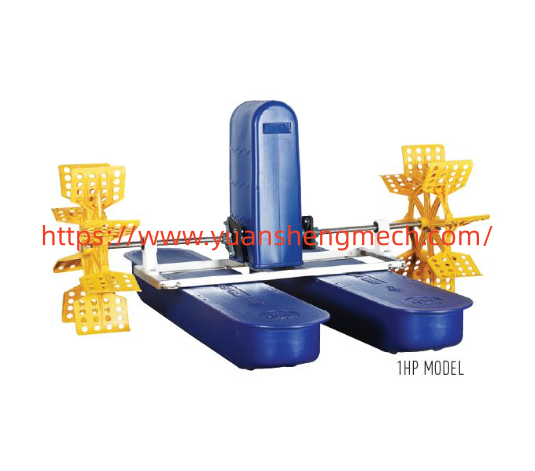
Controlled airflow is essential in many industrial and aquaculture processes, from supporting water treatment to moving air through equipment and production systems. When evaluating a Vortex Ring Blower, buyers should consider how the unit will fit into the wider system, including its air delivery purpose, installation environment, and maintenance requirements. The right choice depends on more than the blower's general function; construction quality, airflow characteristics, noise management, and compatibility with connected equipment all influence its practical value.
Material selection is an important part of blower construction. The housing must protect internal components while remaining suitable for the environment in which the equipment operates. Internal parts also need to withstand normal mechanical stresses and the conditions associated with continuous or repeated use. In facilities where dust, moisture, or corrosive substances may be present, buyers should ask whether the materials and protective features are appropriate for those surroundings. A suitable construction helps support equipment reliability and makes routine inspection more manageable.
Understanding the intended airflow task is the first step in selecting a blower. Some applications require air to be supplied to an aeration system, while others use airflow for drying, cooling, suction, or pneumatic handling. These processes place different demands on the equipment and connected pipework. Buyers should identify the required air movement, the resistance created by the system, and the conditions under which the blower will operate. Sharing this information with a supplier helps establish whether a particular design matches the actual application.
Vortex ring blowers operate by using a rotating impeller to create air movement within a specially designed internal channel. As the air circulates through the blower, energy is transferred to the airflow, allowing the unit to provide pressure or suction for suitable applications. This operating principle can support compact equipment arrangements where controlled air movement is needed. Nevertheless, performance depends on the blower design and the resistance of the connected system. Correct selection and installation are important to avoid unnecessary strain or inefficient operation.
The surrounding equipment can have a significant effect on practical results. Pipe layout, bends, filters, valves, and outlet restrictions may influence airflow and operating conditions. A blower selected without considering these elements may not deliver the expected outcome once connected to the complete system. Before purchasing, engineers should review the whole airflow path and determine whether supporting components are appropriate. This system-based approach can help reduce avoidable adjustments during commissioning and improve coordination between the blower and the equipment it serves.
Daily usability is another consideration for operators and maintenance teams. Convenient access to inspection points, stable mounting arrangements, and clear connection markings can make installation and servicing easier. Noise and vibration should also be considered, particularly when the blower is located near workstations, offices, or areas where personnel spend long periods. Appropriate positioning, secure mounting, and maintenance in accordance with the manufacturer's guidance can help manage these issues. Operators should also keep air inlets clear and check for signs of contamination that may affect operation.
Product design contributes to both functionality and serviceability. A well-organized housing can protect internal components while allowing technicians to understand the equipment's layout. Accessible connections and practical mounting features may simplify integration into existing machinery or dedicated air supply systems. Appearance is not merely decorative in industrial environments: a tidy, clearly arranged installation can improve equipment identification, inspection access, and the overall organization of a facility. Buyers should therefore consider how the blower's physical design fits the space and maintenance routines available.
Long-term operation also depends on preventive care. Dust accumulation, blocked inlets, loose connections, or neglected maintenance can affect airflow and increase operational problems. Establishing a regular inspection schedule helps teams identify visible issues before they interrupt production. It is useful to document unusual changes in sound, vibration, or airflow and investigate them according to the manufacturer's instructions. Where the blower is used in a critical process, operators should also consider how maintenance activities can be coordinated with production schedules to reduce disruption.
Taizhou Yuansheng Aquacul Ture Machinery Co., Ltd. serves the aquaculture and machinery sector, where dependable air movement can support equipment and water-management processes. Businesses considering blower equipment can review their airflow objectives, installation conditions, connected system design, and maintenance needs before discussing suitable options with a supplier. To learn more about the company and its product offerings, visit https://www.yuanshengmech.com/.

 English
 Arabic
 French
 Spanish
 Portuguese
 Deutsch
 Dutch
 Italiano
 Russian
 Romaian
 Portuguese (Brazil)
 Greek
