


The Role of Moisture Balance in Effective Wound Healing
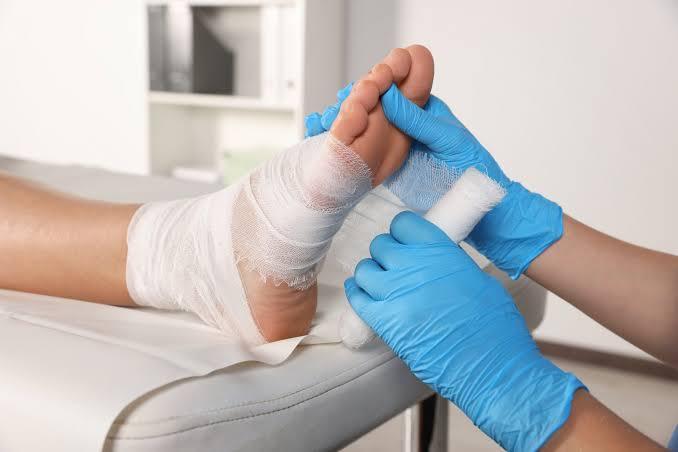
Proper wound care involves more than covering an injury; it also requires maintaining the right level of moisture to support tissue repair. Wound Dressing at Home in Dubai provides patients with convenient access to professional wound care and guidance on protecting wounds during recovery. With support from qualified nurses or a Doctor at Home, patients can learn how appropriate dressing materials help manage wound fluid, protect surrounding skin, and reduce avoidable complications. A wound that becomes excessively dry may develop a dressing that sticks to healing tissue, while too much moisture can soften and damage the surrounding skin. Understanding moisture balance is therefore important for patients recovering from surgery, injuries, or chronic wounds.
Understanding Moisture Balance in Wound Healing:
Moisture balance refers to maintaining a suitable environment at the wound surface to support the body's natural healing process without allowing excessive fluid to accumulate. Wound fluid, also known as exudate, contains water and substances involved in the body's response to tissue damage. An appropriate amount of moisture can help support cellular activity and the movement of new tissue across the wound surface. However, too little moisture may contribute to drying and dressing adherence, while excessive fluid can cause maceration, a condition in which surrounding skin becomes soft, pale, and more vulnerable to damage. The ideal balance depends on the wound's size, depth, location, drainage level, and stage of healing. A qualified healthcare professional can assess these factors and recommend a suitable dressing plan.
Why Moisture Is Important for Tissue Repair:
The healing process involves several stages, including inflammation, tissue formation, and wound remodelling. During these stages, the body works to remove damaged material, develop new tissue, and gradually restore the skin's protective barrier. A suitably moist wound environment can support these processes by preventing the surface from becoming excessively dry and helping new cells move across the injured area. However, this does not mean that a wound should remain wet or that more moisture always leads to better healing. Excess drainage can damage the surrounding skin and may indicate that the wound needs further assessment. Effective wound care aims to maintain an appropriate balance rather than deliberately drying out or saturating the wound. The dressing and care routine should be selected according to professional assessment and the patient's individual health needs.
Understanding the Problems Caused by Excessive Wound Dryness:
When a wound becomes too dry, its surface may develop crusting or adhere to the dressing, potentially making dressing removal uncomfortable and disturbing delicate healing tissue. Repeated disruption can cause irritation and may interfere with the normal progression of recovery. Dryness can occur when a dressing is unsuitable for the wound, when dressing changes are not performed according to the care plan, or when the wound is exposed unnecessarily. Patients should avoid deliberately leaving wounds uncovered to dry out unless instructed by a healthcare professional. They should also avoid applying oils, creams, or other products without checking whether they are appropriate for the injury. If a dressing repeatedly sticks to the wound or removal causes pain or bleeding, ask a qualified nurse or treating clinician to review the dressing material and technique.
Recognizing the Effects of Too Much Moisture:
Excess moisture can be just as problematic as dryness. When wound fluid remains in contact with surrounding skin for too long, the skin may become soft, whitish, wrinkled, or unusually fragile. This process, called maceration, can make the area more susceptible to irritation and breakdown. Excessive drainage may also cause dressings to become saturated, leak, or lose their ability to protect the wound effectively. Patients should observe whether the dressing is repeatedly becoming wet or whether the amount of drainage has increased unexpectedly. These changes may mean that the dressing needs reassessment or that the wound requires further clinical evaluation. Do not simply add extra layers over a saturated dressing or change products independently. Follow the prescribed instructions and contact a healthcare professional if moisture-related problems persist.
Choosing the Right Dressing to Maintain Moisture Balance:
Different wound dressings are designed to manage moisture in different ways, so the appropriate selection depends on the wound's condition. Non-adherent dressings may help protect delicate tissue and reduce sticking, while absorbent foam dressings can help manage moderate to heavier drainage in suitable wounds. Hydrocolloid and hydrogel products have specific uses related to moisture management, but neither is appropriate for every wound. The surrounding skin, possible infection, wound depth, and drainage level must all be considered before selecting a product. A dressing that works for a shallow wound may be unsuitable for a deep surgical incision or a chronic ulcer. Patients should follow the treating clinician's recommendations and should not use specialized dressings or wound products without appropriate guidance. Regular assessment helps determine whether the selected dressing continues to meet the wound's changing needs.
How Nurses Assess Moisture Levels During Dressing Changes:
During a wound care visit, a qualified nurse may assess the amount and appearance of drainage, the condition of the wound surface, and the skin around its edges. The nurse may also check whether the current dressing is remaining in place, becoming saturated too quickly, or causing irritation. Changes in drainage, wound size, tenderness, and surrounding skin can provide useful information about healing progress. The patient's medical history is also important because diabetes, poor circulation, reduced immunity, and certain medications can influence wound recovery. These observations help the healthcare professional determine whether the existing care plan remains appropriate or whether further assessment is necessary. Patients should report changes between visits rather than waiting for the next dressing appointment if the wound is worsening or the dressing repeatedly fails to manage fluid effectively.
Preventing Skin Damage Around a Healing Wound:
Protecting the surrounding skin is an important part of moisture management because drainage can affect tissue beyond the wound itself. Patients should follow instructions for dressing changes and avoid unnecessary handling of an intact dressing. If the dressing becomes wet, contaminated, loose, or saturated, follow the care plan or seek advice from the treating clinician. The skin should be cleaned gently according to the prescribed instructions, without scrubbing or applying unapproved antiseptics. Adhesive products can also irritate fragile skin, particularly in older adults, so patients should mention any history of skin tears or dressing allergies. Practical measures include:
-
Follow the recommended dressing schedule and moisture-management instructions.
-
Keep the dressing protected from water when required.
-
Avoid removing a clean, intact dressing unnecessarily.
-
Report repeated leakage or saturation to the healthcare professional.
-
Avoid applying creams, powders, or home remedies without approval.
-
Monitor surrounding skin for softening, redness, blistering, or new damage.
These practices can help protect the skin while maintaining the wound environment recommended by the care team.
The Importance of Professional Wound Dressing at Home in Dubai:
Wound Dressing at Home in Dubai can help eligible patients receive professional wound assessment and dressing support without unnecessary travel. Home care may be particularly useful for older adults, patients recovering after surgery, people with limited mobility, and individuals managing chronic wounds. During a visit, a qualified nurse can assess wound drainage, follow the prescribed dressing plan, document changes, and explain how to protect the area between appointments. Patients should share information about increased fluid, dressing leakage, skin irritation, or worsening discomfort. Professional guidance is particularly important for patients with diabetes, poor circulation, reduced immunity, or wounds that are slow to heal. Home healthcare complements the wider treatment plan but does not replace specialist assessment or emergency care when complications develop.
Recognizing Warning Signs That Require Medical Advice:
Changes in wound moisture should be considered alongside the wound's overall appearance and the patient's symptoms. Increasing drainage, worsening pain, spreading redness, warmth, swelling, pus, or an unusual new odour may indicate a complication and should be assessed by a healthcare professional. Fever or feeling significantly unwell may also require prompt medical attention. Patients with diabetes or reduced immunity should seek advice early if a wound is not improving. Heavy bleeding that does not stop with firm, continuous pressure, rapidly spreading redness, severe pain, or signs of serious illness require urgent medical assessment. Do not attempt to correct these problems simply by changing the dressing or adding a different product. Timely assessment helps determine whether the wound needs treatment beyond routine moisture management.
Supporting Wound Healing Through Consistent Care:
Maintaining moisture balance is one part of a broader wound care plan that includes appropriate dressing selection, hygiene, protection from pressure, and management of underlying health conditions. Patients should attend recommended follow-up appointments and follow their clinician's instructions about cleaning, dressing changes, activity, and bathing. Adequate nutrition and hydration can support general health, although specific needs may vary for people with kidney disease, heart conditions, or other medical concerns. Patients with diabetes should follow their healthcare team's advice about blood glucose management. Keeping notes about drainage, dressing changes, and new symptoms can help the healthcare professional monitor progress. Avoid changing prescribed treatment independently, and seek advice if healing appears delayed or the wound deteriorates.
Final Thoughts
Moisture balance plays an important role in effective wound healing by helping protect new tissue while preventing the surrounding skin from becoming excessively wet or damaged. The right dressing depends on the wound's characteristics, drainage level, and individual care requirements. Wound Dressing at Home in Dubai gives eligible patients access to professional wound assessment, dressing support, and guidance in a familiar environment. Following an individualized care plan, monitoring changes in drainage, and seeking advice when warning signs appear can help patients manage wounds more safely. Because wounds differ significantly, professional assessment remains essential when selecting dressing materials or adjusting treatment. Consistent care and timely follow-up can support a safer recovery.

 English
 Arabic
 French
 Spanish
 Portuguese
 Deutsch
 Turkish
 Dutch
 Italiano
 Russian
 Romaian
 Portuguese (Brazil)
