


Managing Wound Drainage During Home Dressing Changes
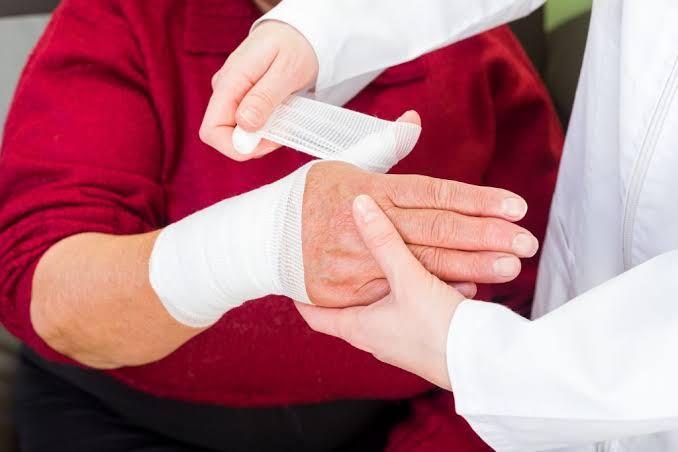
Managing wound drainage is an important part of protecting injured skin, monitoring healing, and identifying possible complications. Wound Dressing at Home in Dubai allows patients to receive professional wound care in a familiar environment, particularly after surgery, an injury, or hospital discharge. With guidance from a qualified nurse or a Doctor at Home, patients and caregivers can learn how to monitor wound fluid, maintain appropriate dressing care, and recognize changes that may require medical attention. Although some drainage is a normal part of healing, its amount, colour, consistency, and smell can provide useful information about the wound's condition. Understanding how to manage drainage safely helps patients follow their care plans and seek timely professional assistance when necessary.
Understanding Wound Drainage and Its Role in Healing:
Wound drainage, also called exudate, is fluid that comes from injured tissue during the healing process. It may contain water, proteins, and cells involved in the body's response to injury. The amount and appearance of drainage vary according to the wound's size, depth, location, healing stage, and the patient's overall health. Some wounds produce only a small amount of clear or pale-yellow fluid, while others may need dressings that absorb more moisture. However, drainage should be assessed in context because a sudden increase, thick discharge, or an unusual smell can indicate a complication. Patients should follow their healthcare professional's instructions and avoid assuming that all wound fluid is harmless or that every change means infection.
Recognizing Different Types of Wound Drainage:
Observing the characteristics of wound drainage can help patients and healthcare professionals identify changes that need attention. Thin, clear or pale-yellow fluid may occur during normal healing, while pink-tinged fluid can sometimes appear after an injury or procedure. Small amounts of blood may occur in certain circumstances, but persistent or increasing bleeding should not be ignored. Thick, cloudy, greenish, or pus-like drainage can indicate infection, particularly when accompanied by worsening pain, redness, warmth, or swelling. An unpleasant new odour may also require assessment, although odour alone does not confirm infection. Patients should note changes in the fluid's amount, colour, and consistency and communicate them to their nurse or treating clinician instead of attempting to diagnose the wound independently.
Choosing the Right Dressing for Wound Drainage:
The appropriate dressing depends partly on how much fluid the wound produces and the condition of the surrounding skin. Some dressings are designed to absorb moderate or heavy drainage, while others protect delicate tissue or maintain an appropriate moisture balance in wounds that produce less fluid. A dressing that absorbs too little may become saturated and allow fluid to leak onto nearby skin, while an unsuitable material may cause dryness, irritation, or damage during removal. Qualified healthcare professionals consider the wound's depth, location, drainage level, and treatment instructions before selecting a dressing. Patients should not switch to a different dressing or apply additional products without appropriate advice, particularly when managing surgical wounds, chronic ulcers, or wounds associated with diabetes or poor circulation.
Maintaining Cleanliness During Home Dressing Changes:
Proper hygiene is essential when managing wound drainage because contaminated hands or supplies can introduce microorganisms to the injured area. Before any dressing care permitted by the treatment plan, wash hands thoroughly with soap and water, prepare a clean working area, and gather the recommended supplies. Use clean or sterile materials as directed by the healthcare professional, and avoid touching the wound or the part of the dressing that will contact it. The old dressing should be removed gently, without pulling material that has become attached to the wound. Follow the prescribed cleaning method rather than using alcohol, hydrogen peroxide, or strong antiseptics unless specifically directed. If a dressing change involves a deep wound, packing, a surgical drain, or another specialized procedure, it should be handled by an appropriately trained person following clinical instructions.
Knowing When a Dressing Needs to Be Changed:
Wound dressings need to be changed according to the individual care plan and the instructions for the specific dressing product. Some dressings are designed to remain in place for several days, while others require more frequent replacement depending on drainage and wound condition. A dressing may need attention sooner if it becomes saturated, wet when it must remain dry, contaminated, loose, or unable to contain the fluid. Patients should not remove a clean, intact dressing simply to inspect the wound unless instructed to do so, because unnecessary changes can disturb healing tissue. If drainage repeatedly leaks through the dressing or the amount increases unexpectedly, contact the nurse or treating clinician for advice. Do not simply add another layer over a saturated dressing without following the recommended care plan.
Protecting the Skin Around a Draining Wound:
Excessive moisture from wound drainage can soften the surrounding skin, making it more vulnerable to irritation, skin breakdown, and damage from adhesives. This is especially important for older adults, patients with fragile skin, and people who need frequent dressing changes. Healthcare professionals may recommend an appropriate absorbent dressing or skin protection product depending on the wound and treatment plan. Patients should avoid applying creams, powders, oils, or barrier products directly around the wound unless advised by a qualified professional. Clothing should not rub against the dressing, and the affected area should be protected from unnecessary pressure or friction. If the surrounding skin becomes increasingly red, painful, blistered, or damaged, seek professional advice because the dressing method or wound condition may need reassessment.
Monitoring for Infection and Other Complications:
Monitoring drainage between dressing changes helps patients recognize when medical assessment may be necessary. Warning signs include increasing redness, warmth, swelling, worsening pain, thick or pus-like discharge, an unpleasant new odour, or fever. A wound that becomes larger, deeper, or increasingly slow to heal should also be assessed, particularly if the patient has diabetes, poor circulation, or reduced immunity. Seek prompt medical advice if these symptoms develop rather than attempting to manage the problem by changing dressings more frequently. Urgent medical attention is necessary for heavy bleeding that does not stop with firm, continuous pressure, rapidly spreading redness, severe pain, or signs of serious illness. If the patient is suddenly very unwell, confused, or collapses, seek emergency assistance immediately.
Practical Tips for Managing Wound Drainage at Home:
Patients and caregivers can support safer wound management by following professional instructions and keeping a record of noticeable changes. Consistent observation helps the healthcare team understand whether drainage is decreasing, remaining stable, or increasing unexpectedly. Helpful practices include:
-
Follow the prescribed schedule for dressing changes.
-
Note changes in drainage amount, colour, consistency, or smell.
-
Keep dressing supplies clean and stored appropriately.
-
Avoid squeezing the wound or trying to drain it yourself.
-
Report leakage, repeated saturation, or worsening symptoms promptly.
-
Attend recommended follow-up appointments and share concerns with the healthcare professional.
These measures support professional care but do not replace assessment when the wound deteriorates. Do not use leftover antibiotics or alter prescribed treatment without medical advice.
How Wound Dressing at Home in Dubai Supports Patients:
Wound Dressing at Home in Dubai can help eligible patients receive professional wound assessment, dressing changes, and guidance without unnecessary travel. This may be particularly useful for people recovering from surgery, older adults, patients with limited mobility, and individuals managing chronic wounds. During a home visit, a qualified nurse can assess the drainage, follow the prescribed dressing plan, document changes, and advise whether further clinical review is needed. Patients should explain any recent increase in fluid, changes in pain, or difficulty keeping the dressing secure. Before arranging a service, confirm the provider's qualifications and clarify whom to contact if concerns arise between visits. Home healthcare supports the overall treatment plan but does not replace specialist wound assessment or emergency care when serious complications develop.
Supporting Healing Through Consistent Follow-Up:
Managing drainage effectively requires more than keeping the dressing dry and secure; it also involves monitoring the wound's progress and addressing factors that may affect healing. Adequate nutrition, sufficient hydration when medically appropriate, and proper management of underlying conditions can support general recovery. Patients with diabetes should follow their clinician's guidance for blood glucose management, while those with circulation problems may need additional monitoring. Keep follow-up appointments and report drainage that persists, increases, or changes unexpectedly. Healthcare professionals can assess whether the existing care plan remains appropriate or whether additional investigation is necessary. Never remove surgical packing, change a prescribed treatment, or attempt advanced wound care without appropriate instruction. Consistent communication helps patients and caregivers respond safely as the wound heals.
Final Thoughts
Managing wound drainage during home dressing changes involves observing the fluid, using suitable dressing materials, maintaining hygiene, and recognizing signs that may require medical attention. Some drainage can be part of normal healing, but sudden increases, pus-like discharge, unusual odour, worsening pain, or fever should be assessed by a healthcare professional. Wound Dressing at Home in Dubai provides eligible patients with convenient access to professional wound care and ongoing guidance in a familiar environment. Follow the prescribed care plan, avoid unnecessary dressing changes, and seek prompt assistance if the wound deteriorates. Careful monitoring and timely professional assessment can help patients manage drainage more safely and support their recovery.

 English
 Arabic
 French
 Spanish
 Portuguese
 Deutsch
 Turkish
 Dutch
 Italiano
 Romaian
 Portuguese (Brazil)
 Greek
