


What to Expect During Your First Male Fertility Test?
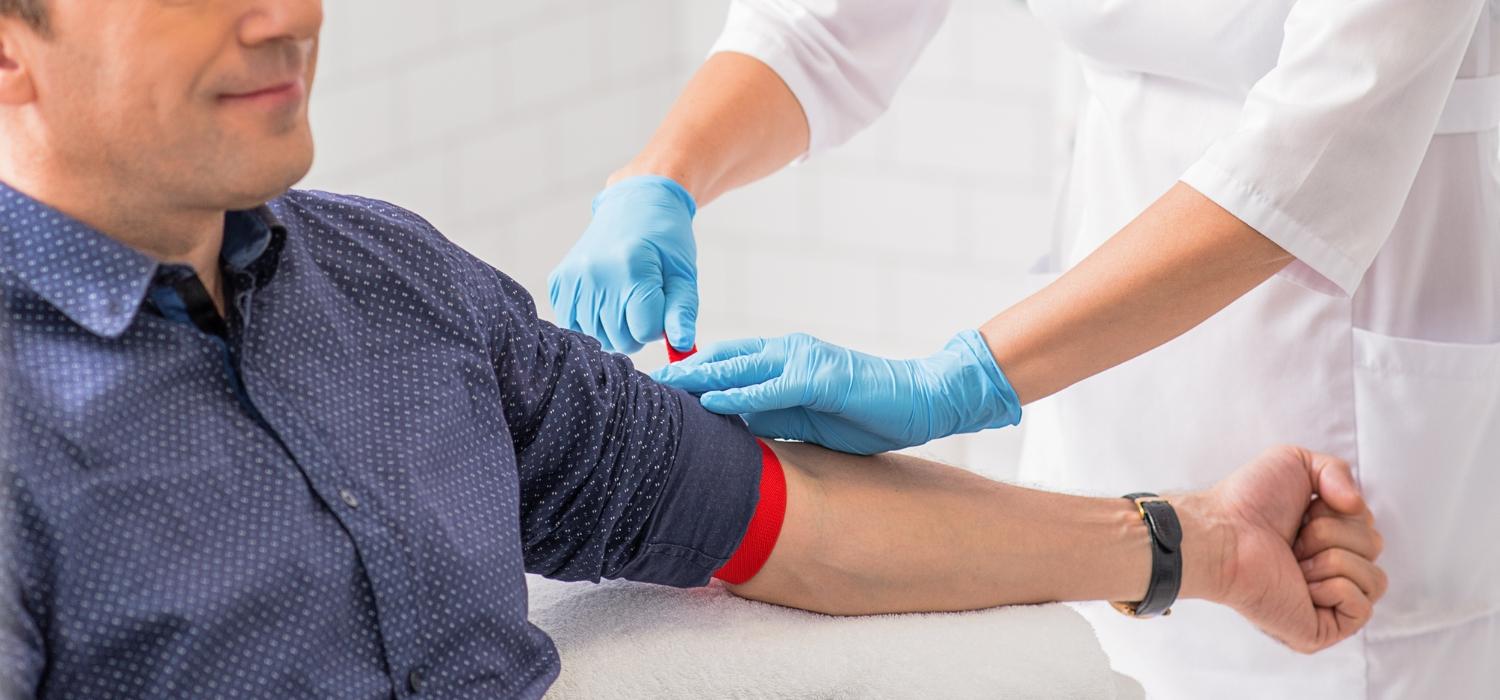
Taking the first step toward understanding your fertility can feel unfamiliar, especially if you are unsure what the testing process involves. You may have questions about how to prepare, whether the test is painful, what happens at the laboratory, and how long it takes to receive your results.
A Male Fertility Test in Dubai is a common part of reproductive health care. It helps assess sperm production and semen quality and can identify findings that may contribute to difficulty conceiving. For most men, the first investigation is a semen analysis, a laboratory test that examines sperm concentration, movement, shape, and other characteristics.
Understanding what happens before, during, and after your appointment can make the experience more comfortable and help you prepare correctly. This guide explains each stage of your first male fertility test, from booking the appointment to understanding the results and deciding what to do next.
Before Your Appointment: How to Prepare for a Male Fertility Test
Preparation is important because certain factors can influence semen analysis results. Your laboratory will provide instructions based on its collection and testing procedures, so follow those directions carefully.
Follow the Recommended Abstinence Period
Most laboratories recommend avoiding ejaculation for two to seven days before collecting a semen sample. This means avoiding both sexual intercourse that results in ejaculation and masturbation during the specified period.
The abstinence period can affect semen volume and sperm measurements. A shorter or longer interval than recommended may make it harder to compare your results with standard reference values or a later test.
Do not assume that a longer abstinence period will automatically produce a better result. The aim is to collect the sample under the conditions specified by the laboratory.
Tell Your Doctor About Medicines and Health Conditions
Before your first fertility evaluation, prepare a list of prescription medicines, over-the-counter products, vitamins, and supplements you use.
Some medications and treatments can influence sperm production or reproductive hormones. Testosterone replacement therapy and anabolic steroids are particularly important to discuss because they can suppress the hormonal signals needed for normal sperm production.
Do not stop prescribed medication without medical advice. Your doctor can determine whether any treatment may affect your results and whether further assessment is appropriate.
Mention Recent Illness or Fever
A significant fever or recent illness may temporarily affect sperm production. Because sperm development takes several weeks, the effects may continue after you begin feeling better.
Inform your healthcare professional if you have recently experienced a high fever, infection, or significant health problem. Depending on your circumstances, your doctor may recommend testing immediately or suggest a later appointment to obtain more representative results.
At the Clinic: What Happens During Your First Fertility Evaluation?
Your first appointment may involve more than providing a semen sample. The process depends on the clinic, your medical history, and whether you are undergoing testing because of difficulty conceiving or another reproductive health concern.
Step 1: Discuss Your Medical and Reproductive History
A healthcare professional may ask how long you and your partner have been trying to conceive, whether either of you has experienced a previous pregnancy, and whether you have any known reproductive conditions.
You may also be asked about:
-
Previous testicular injuries or surgery
-
Undescended testicles during childhood
-
Past infections or sexually transmitted infections
-
Sexual function and ejaculation
-
Chronic health conditions
-
Cancer treatment or radiation exposure
-
Tobacco, alcohol, recreational drug, or anabolic steroid use
These questions help identify possible risk factors and determine whether a standard semen analysis is sufficient or additional tests may be useful.
You should answer as accurately as possible. Fertility consultations are intended to support your health, not to judge your personal history.
Step 2: Understand the Semen Analysis Procedure
A semen analysis is generally non-invasive and does not require surgery or needles. The standard procedure involves collecting a semen sample in a sterile container according to the laboratory's instructions.
The sample is then examined by trained laboratory personnel. They assess its volume and other characteristics and measure sperm concentration, motility, and morphology.
Some laboratories also evaluate sperm vitality, semen pH, or additional parameters when clinically indicated. The exact tests performed depend on the laboratory's procedures and your healthcare professional's request.
For many men, the collection process is the only part of the initial investigation that requires direct participation in the laboratory.
Providing Your Sample: What You Need to Know
For an accurate semen analysis, correct sample collection is essential. Even if the laboratory equipment and testing methods are reliable, incomplete collection or improper handling can affect the interpretation of the results.
How Is a Semen Sample Collected?
Most laboratories ask men to collect semen through masturbation into a sterile sample container provided by the facility.
Before collection, wash your hands and follow the laboratory's hygiene instructions. Avoid using ordinary lubricants unless the laboratory specifically approves a sperm-safe product, because some lubricants can interfere with sperm movement.
Collect the entire ejaculate whenever possible. The first portion of the sample may contain a substantial proportion of the sperm, so losing any part of it can affect the reported sperm count and other measurements.
If any semen is spilled or missed, tell the laboratory staff rather than trying to conceal the loss.
Can You Collect the Sample at Home?
Some laboratories permit home collection, while others require the sample to be produced on-site.
If home collection is allowed, ask about the maximum time permitted before delivery, the required container, and how the sample should be transported. Temperature and timing can affect the assessment, particularly sperm motility.
Do not use an ordinary household container or assume that refrigeration is appropriate. Follow the laboratory's specific instructions and deliver the sample within its required time window.
Is the Test Painful or Embarrassing?
A standard semen analysis is usually painless because it involves providing a sample rather than undergoing an invasive procedure.
It is normal to feel nervous, uncomfortable, or embarrassed during your first appointment. Laboratory staff who conduct fertility testing are accustomed to these concerns and should explain the process professionally.
If you have difficulty producing a sample in the clinic, ask whether the laboratory offers an alternative collection arrangement.
Inside the Laboratory: Which Sperm Parameters Are Examined?
Once the sample reaches the laboratory, technicians evaluate several measurements that provide information about semen quality and male reproductive function.
| Test parameter | What it measures | Why it matters |
|---|---|---|
| Semen volume | Amount of fluid collected | Helps assess the ejaculate and interpret total sperm count |
| Sperm concentration | Sperm per milliliter | Indicates the number of sperm in a given volume |
| Total sperm count | Sperm in the entire ejaculate | Provides an overall estimate of sperm quantity |
| Sperm motility | Percentage of moving sperm | Shows how many sperm move and how effectively |
| Sperm morphology | Percentage with normal shape | Assesses sperm structure using strict criteria |
| Sperm vitality | Percentage of living sperm | Can help distinguish living but immotile sperm from dead sperm when indicated |
These measurements work together. For example, a man may have a reasonable sperm concentration but reduced motility. Another may have a low total sperm count because the semen volume is low.
A single measurement rarely provides a complete explanation of fertility.
Understanding Your First Male Fertility Test Results:
After the laboratory completes the analysis, your report will list the measured values alongside the laboratory's reference intervals or interpretive notes.
The World Health Organization's sixth edition semen analysis reference data include lower fifth-percentile values of approximately 1.4 mL for semen volume, 16 million sperm per milliliter for sperm concentration, 39 million sperm per ejaculate for total sperm count, 42% for total motility, 30% for progressive motility, and 4% for normal morphology.
These figures are not strict boundaries separating fertile men from infertile men. Men with results below one or more reference values may still conceive naturally, while men whose results fall within the reference ranges may experience difficulty achieving pregnancy.
Your doctor will consider the complete report, your reproductive history, and your partner's health before interpreting the findings.
What If Your Results Are Abnormal?
An abnormal semen analysis does not automatically mean that you cannot have children.
Possible findings include low sperm concentration, reduced motility, a lower percentage of normally shaped sperm, or no sperm detected in the sample. Each finding has different possible explanations and may require a different approach.
Your doctor may recommend repeating the semen analysis because sperm parameters can fluctuate. The timing depends on the results, recent illness, collection conditions, and clinical circumstances.
If sperm count is very low or no sperm are detected, further assessment may include a physical examination, hormone testing, genetic investigations, or other targeted tests.
After the Test: When Will You Receive Your Report?
The time required to receive your male fertility test results varies by laboratory. Some facilities provide results within a short period, while others require several working days or longer, particularly if additional testing is requested.
Ask the laboratory when your report will be ready and how it will be shared with you.
Once you receive the results, arrange a review with your healthcare professional if the test was ordered as part of a fertility evaluation. Online reference ranges can provide useful context, but they cannot replace an individualized medical assessment.
If the first test is abnormal, do not immediately assume the problem is permanent. Your doctor may recommend repeat testing or investigate potential causes before discussing treatment options.
What Happens If You Need More Fertility Tests?
A semen analysis is often the starting point, not the end of the investigation.
Depending on your results and medical history, additional assessments may include:
-
Hormone blood tests: Measurements such as follicle-stimulating hormone, luteinizing hormone, and testosterone may help assess reproductive hormone function.
-
Physical examination: A clinician may examine the testicles and reproductive structures for conditions such as varicocele.
-
Genetic testing: This may be appropriate in selected cases involving severe sperm production problems or suspected genetic conditions.
-
Imaging: Ultrasound or other imaging may be considered when specific findings require further investigation.
-
Specialized sperm testing: Additional tests may be recommended in selected circumstances, depending on the clinical question.
Not every man needs all these investigations. The appropriate testing plan depends on the initial findings and the suspected cause of the fertility problem.
Frequently Asked Questions About Your First Male Fertility Test:
Should I fast before a semen analysis?
Fasting is generally not required for a standard semen analysis. However, if your appointment includes blood tests or other investigations, follow the instructions provided by your healthcare professional or laboratory.
Can stress affect my fertility test results?
Stress can affect sexual function and the ability to provide a sample, but a single stressful day does not automatically make a semen analysis inaccurate. Follow collection instructions and tell the laboratory if any difficulties affect the sample.
How long should I wait before repeating an abnormal test?
The recommended interval varies according to the results and clinical circumstances. Your doctor may suggest repeat testing to confirm an abnormal finding or allow time for recovery after an illness or treatment.
Does a normal semen analysis guarantee pregnancy?
No. Semen analysis evaluates important sperm characteristics, but conception depends on several factors involving both partners. Normal results are reassuring but cannot guarantee pregnancy.
Final Thoughts:
Your first male fertility Lab tests is an important opportunity to understand your reproductive health and identify factors that may affect conception. The process usually begins with a medical history and semen analysis, followed by a laboratory assessment of sperm concentration, motility, morphology, and other semen characteristics.
Preparing correctly, following collection instructions, and understanding the limitations of the results can make the experience less stressful and improve the usefulness of the report.
Whether your results are normal or abnormal, the most important step is to interpret them in context. If you have concerns about fertility or have been trying to conceive without success, consult a qualified healthcare professional who can recommend appropriate follow-up testing and discuss the options available to you.

 English
 Arabic
 French
 Spanish
 Portuguese
 Deutsch
 Turkish
 Italiano
 Russian
 Romaian
 Portuguese (Brazil)
 Greek
