


Route Optimization for Faster and More Efficient Deliveries
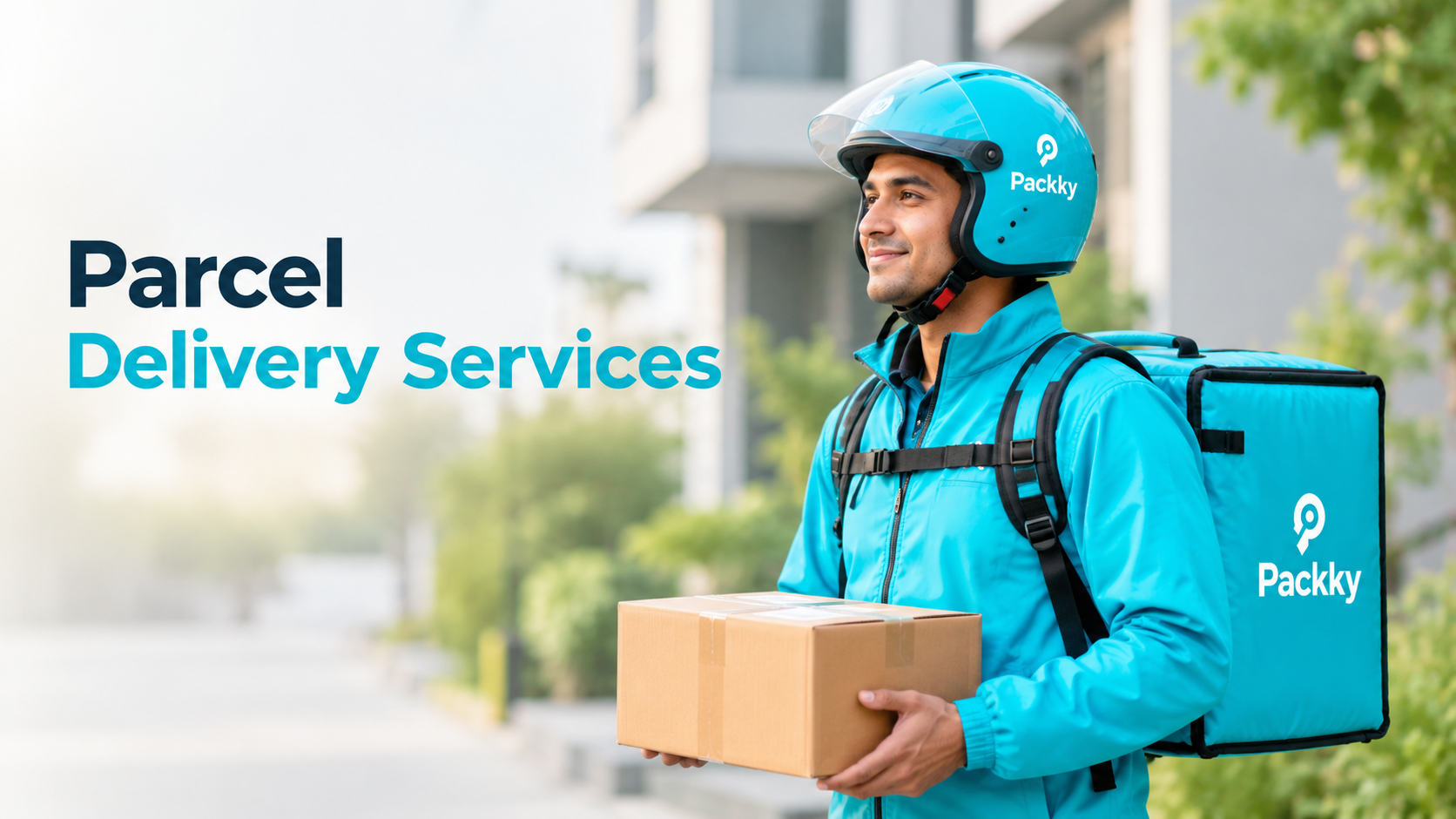
Route optimization helps businesses plan efficient routes for transporting parcels, food orders, documents, and other shipments. When multiple deliveries need to be completed in a limited period, choosing the right sequence of stops can save time, reduce unnecessary travel, and improve delivery coordination.
For courier companies, restaurants, e-commerce businesses, and local delivery providers, efficient route planning can make daily operations easier to manage. Using suitable technology can also help businesses respond to changing traffic conditions, delivery locations, and order volumes.
What Is Route Optimization?
Route optimization is the process of finding practical routes for drivers based on delivery locations and operational requirements. Instead of planning every delivery separately, businesses can organize multiple stops into an efficient route.
Depending on the software, route planning may consider:
-
Pickup and drop-off locations
-
Distance between delivery stops
-
Traffic conditions
-
Delivery time windows
-
Driver availability
-
Vehicle capacity
-
Parcel size and weight
-
Delivery priorities
The goal is to create a workable delivery plan that balances time, distance, and available resources.
Why Is Route Optimization Important?
Reduce Unnecessary Travel
Poorly planned routes can cause drivers to travel longer distances than necessary. Optimized routes help organize delivery stops more logically, reducing avoidable journeys and improving vehicle utilization.
Improve Delivery Timeliness
When drivers follow a well-planned route, they can manage multiple stops more effectively. Although traffic and unexpected delays can still affect delivery times, better planning helps businesses use their available delivery hours efficiently.
Control Operating Costs
Unnecessary travel increases fuel consumption and vehicle usage. Route optimization can help businesses reduce avoidable mileage and make better use of their delivery resources.
Improve Customer Experience
Customers value accurate delivery updates and reasonable delivery estimates. Better route planning can help businesses coordinate deliveries and communicate progress more effectively.
Common Challenges in Delivery Route Planning
Managing delivery routes manually becomes difficult when order volumes increase. Drivers may receive orders from different locations, deliveries may have specific time requirements, and traffic conditions can change throughout the day.
Other challenges include assigning drivers, handling urgent orders, managing vehicle capacity, and responding to failed delivery attempts.
Without an organized system, these issues can lead to delays, unnecessary travel, and additional coordination work.
How Technology Improves Route Optimization
Delivery management software can help businesses organize orders and plan routes using delivery information.
Automated route planning can arrange delivery stops in a practical sequence based on available data.
Real-time tracking allows teams to monitor active deliveries and understand where drivers are during their routes.
Driver management helps businesses assign delivery tasks according to driver availability and operational requirements.
Order synchronization keeps pickup and drop-off details organized, making it easier to coordinate multiple deliveries.
These features can be especially useful for businesses managing local and intra-city deliveries.
How Packky Supports Delivery Route Optimization
Packky is a delivery management platform designed to help businesses organize local delivery operations. Its features include smart route optimization, real-time tracking, order synchronization, driver management, customer notifications, and flexible vehicle options.
For example, a retailer handling several local orders may need to deliver parcels to different neighbourhoods. Packky's delivery management features can help organize delivery information, coordinate drivers, and provide better visibility into active deliveries.
Businesses can explore the available features on the official Packky website.
Tips for Better Delivery Route Planning
Businesses can improve route planning by following a few practical steps:
-
Verify pickup and drop-off addresses.
-
Group nearby deliveries when appropriate.
-
Consider delivery time windows and priorities.
-
Assign suitable vehicles and available drivers.
-
Monitor delivery progress.
-
Review completed routes to identify improvements.
Regularly reviewing delivery performance can help businesses identify recurring delays and make better operational decisions.
Frequently Asked Questions
What is route optimization software?
It is software that helps businesses plan delivery routes using information such as locations, distance, time windows, and available delivery resources.
Can route optimization reduce delivery costs?
It can help reduce unnecessary travel and improve resource utilization. Actual savings depend on order volume, route conditions, and how the software is used.
Final Thoughts
Route optimization helps businesses organize delivery stops, reduce unnecessary travel, and coordinate drivers more efficiently. Combining practical route planning with tracking and delivery management tools can improve operational visibility and support a better customer experience.
Platforms such as Packky can help businesses manage delivery activities through structured workflows and route optimization features. By reviewing routes regularly and using accurate delivery information, businesses can build more efficient local delivery operations.

 English
 Arabic
 French
 Spanish
 Portuguese
 Deutsch
 Turkish
 Dutch
 Italiano
 Russian
 Romaian
 Greek
