


Warts Removal: Tips for Preparing for Your Treatment
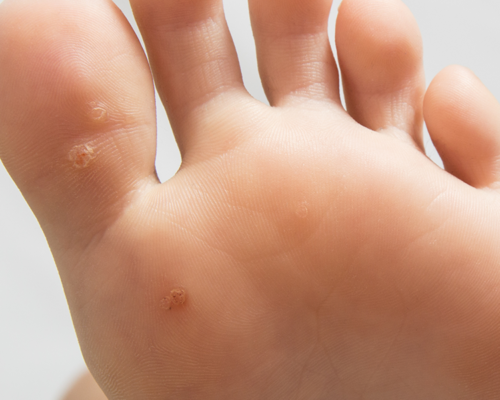
Warts are common skin growths that can appear on the hands, feet, face, and other areas of the body. Although they are generally harmless, they may cause discomfort, irritation, or concerns about appearance. If you are considering treatment, preparing properly can help you understand the procedure, follow medical advice, and support a smoother recovery.
Professional Warts removal in Islamabad offers patients an opportunity to discuss their skin concerns with a qualified healthcare provider. Before treatment begins, it is helpful to learn about the causes of warts, available removal methods, and the precautions that may make the treatment process more manageable.
Understand Your Wart Before Treatment
Warts are usually caused by certain types of human papillomavirus (HPV), which affect the outer layer of the skin. They may develop after the virus enters through small cuts or breaks in the skin. Some warts disappear without treatment, while others persist or spread to nearby areas.
Common warts often appear on the fingers and hands, while plantar warts develop on the soles of the feet and may cause pain when walking. Flat warts are usually smaller and smoother, and some types may appear on the face.
Before scheduling treatment, pay attention to the wart's location, size, appearance, and how long it has been present. Do not assume every raised skin growth is a wart. Moles, skin tags, and other conditions may look similar, so professional assessment is important, especially if the growth changes, bleeds, or becomes painful.
Schedule a Professional Consultation
A consultation is an important first step before any removal procedure. A qualified dermatologist or appropriately trained healthcare professional can examine the growth and determine whether treatment is necessary.
During your appointment, explain when the wart appeared, whether it has changed, and whether you have tried any home remedies or over-the-counter products. Share details about allergies, medications, medical conditions, and previous reactions to skin treatments.
If you are considering Warts removal in Islamabad, use the consultation to ask about suitable procedures, expected results, possible side effects, and the likelihood of needing multiple sessions. Clear communication helps you make an informed decision and understand what to expect.
Learn About Available Wart Removal Methods
Preparing for treatment includes understanding the options your healthcare provider may recommend. The most appropriate method depends on the wart's type, size, location, and response to previous treatments.
Cryotherapy
Cryotherapy involves applying a freezing agent, commonly liquid nitrogen, to destroy wart tissue. The treated area may become red, tender, or blistered. Some warts require several sessions before they resolve.
Topical Treatments
Certain topical products, including those containing salicylic acid, gradually break down thickened wart tissue. These products may be appropriate for selected warts on the hands and feet, but they require careful and consistent use.
People with diabetes, poor circulation, or reduced sensation should seek medical advice before treating foot warts. Avoid using ordinary wart-removal products on the face or genital area without professional guidance.
Electrosurgery and Curettage
Electrosurgery uses controlled electrical energy to destroy tissue, while curettage removes wart tissue with a specialised instrument. These methods may be considered for selected persistent warts. Local anaesthesia may be used, and the treated area may need wound care afterward.
Laser Treatment
Laser treatment may be an option for certain resistant warts when other treatments have not worked. It is not necessary for every case and may involve risks such as discomfort, scarring, or pigmentation changes.
Ask your provider to explain the benefits, limitations, recovery requirements, and costs of the recommended technique.
Follow Pre-Treatment Instructions
Once your treatment is scheduled, follow the instructions provided by your clinician. Depending on the procedure, you may be asked to keep the area clean and avoid applying certain products beforehand.
Do not cut, scratch, burn, or attempt to remove the wart yourself. Such actions can damage surrounding skin and increase the risk of infection or scarring. Avoid using multiple wart treatments at the same time unless a healthcare professional advises you to do so.
If the wart is on your foot, wear comfortable footwear that does not create unnecessary pressure or friction. If it is on your hand, keep the area protected from repeated irritation. Your clinician can provide more specific advice based on the location.
Prepare for the Day of Treatment
On treatment day, arrive with enough time to discuss any final questions. Wear comfortable clothing that allows easy access to the affected area. If the wart is on your face, avoid applying irritating skincare products unless your provider has advised otherwise.
Ask whether local anaesthesia is required and whether you will need someone to accompany you home. This may depend on the procedure being performed.
For Warts removal in Islamabad, it is also helpful to understand the estimated cost, whether follow-up appointments are included, and what to do if the wart does not respond as expected.
Plan for Recovery and Aftercare
Recovery depends on the treatment method and the location of the wart. Some procedures cause temporary redness, tenderness, or blistering, while others may leave a small wound requiring a dressing.
Follow the aftercare instructions carefully. Keep the area clean, change dressings as directed, and avoid picking at blisters or scabs. Do not apply unapproved creams or harsh chemicals to the treated skin.
Seek medical advice if you develop increasing pain, spreading redness, pus, fever, or other signs of infection. Warts can sometimes return because the virus may remain in nearby skin, so further treatment may occasionally be necessary.
Build Healthy Habits to Reduce Spread
Good hygiene can help reduce the risk of spreading warts to other areas or people. Wash your hands after touching a wart, avoid scratching it, and do not share towels, nail clippers, or pumice stones used on affected skin.
Wear footwear in shared wet areas, such as communal showers and changing rooms, particularly if you have plantar warts. Keep cuts and scratches clean, and avoid shaving directly over affected areas where possible.
These precautions cannot guarantee that warts will not spread or return, but they can support sensible skin care.
Conclusion
Preparing for wart removal involves more than scheduling an appointment. Understanding your skin concern, consulting a qualified provider, learning about treatment options, and following pre- and post-treatment instructions can help you make informed decisions.
If you are considering Warts removal in Islamabad, seek professional advice about the most suitable approach for your needs. With realistic expectations and appropriate aftercare, you can take a practical step toward managing unwanted skin growths while reducing avoidable risks.
Frequently Asked Questions
1. What should I do before a wart removal appointment?
Note when the wart appeared, mention previous treatments, and share relevant medical information with your provider. Avoid cutting or picking at the growth. Before Warts removal in Islamabad, ask your clinician about any specific preparation instructions.
2. Should I use a wart-removal cream before professional treatment?
Do not start or combine treatments without checking with your healthcare provider, as some products can irritate the skin. If you are planning Warts removal in Islamabad, tell your clinician about any creams or medicines you have already used.
3. How long does recovery take after wart removal?
Recovery varies according to the technique, the wart's location, and the individual's skin response. Some treatments cause temporary redness or blistering, while others may require wound care. Your provider can explain the expected recovery period for Warts removal in Islamabad.
4. Can I prevent warts from returning after treatment?
Recurrence cannot always be prevented, but avoiding picking, practising good hygiene, and following aftercare instructions may help reduce some risks. If a growth returns after Warts removal in Islamabad, consult your healthcare provider about further assessment and treatment.
For more information visit
Enfield royal clinic in islamabad

 English
 Arabic
 French
 Spanish
 Portuguese
 Turkish
 Dutch
 Italiano
 Russian
 Romaian
 Portuguese (Brazil)
 Greek
