


Tree Removal and Property Cleanup: Where to Start
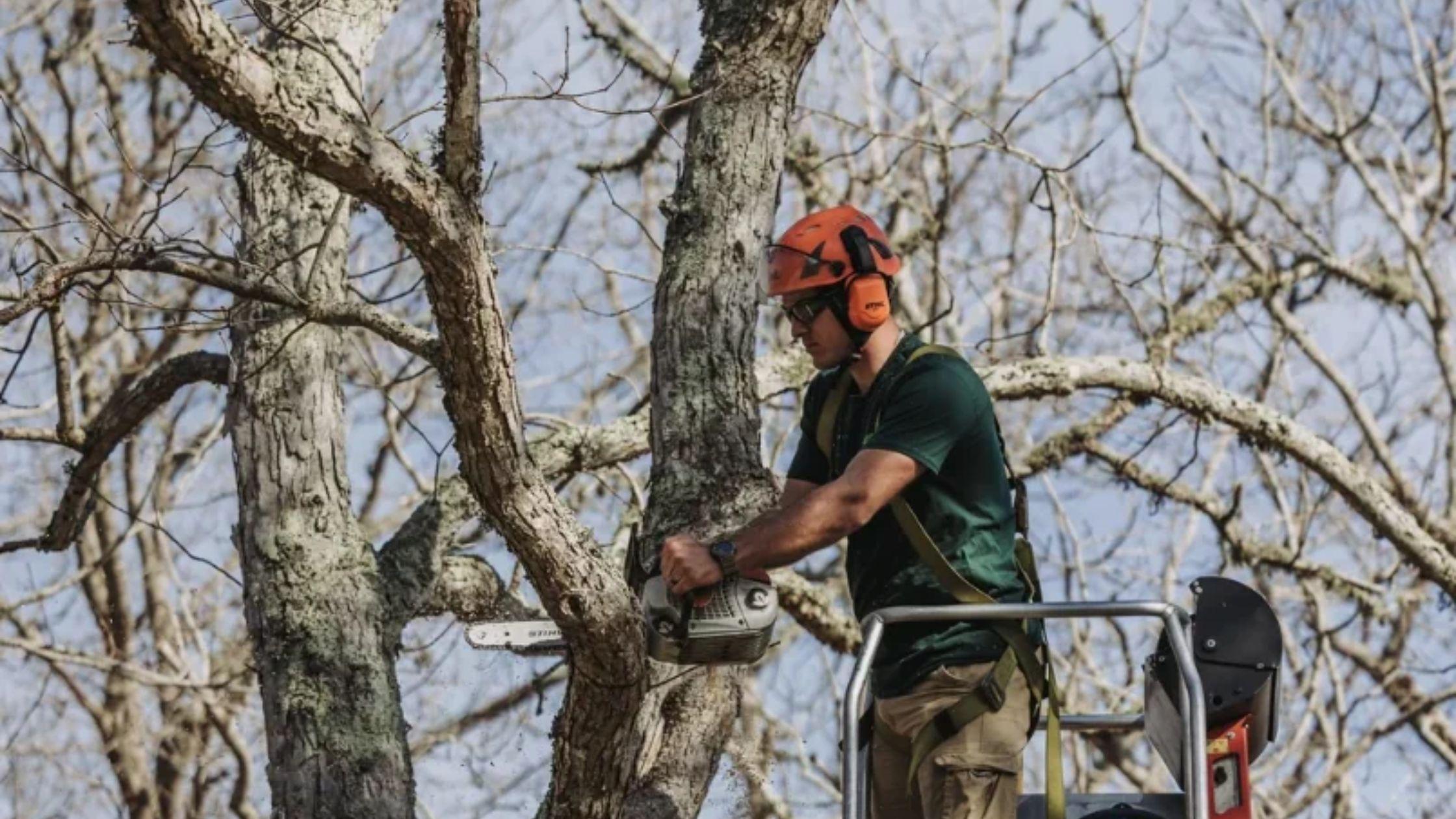
A well-kept property starts with good decisions about its trees, lawn, and open spaces. When a tree becomes damaged, branches grow too close to a building, or an overgrown area needs attention, tree removal in Martha's Vineyard may be one part of the solution. However, removal is not always the first step. A careful look at the property can help determine what needs attention, what can stay, and how to plan the work without creating extra problems. The goal is to make the property safer, easier to maintain, and ready for its next use.
Start With a Careful Look at Your Property
Before calling a tree service, take a walk around the property. Look at the trees, the ground beneath them, the driveway, and the areas around your home or other buildings. You may notice a few issues that need attention at the same time.
For example, a tree may have dead branches, while nearby shrubs have grown across a walkway. Fallen limbs may cover part of the lawn, or thick brush may make it hard to reach a section of the yard. Each issue calls for a different solution.
Make a short list of what you see. Note any tree damage, blocked paths, overgrown areas, and places where water seems to collect after rain. Photos can also help when discussing the work with a professional.
This first step gives you a clearer picture of the job. It can also help you decide which tasks need attention right away and which can wait until later.
How Do You Know When a Tree Needs Attention?
Not every large or old tree needs to come down. Some trees can remain healthy for many years with proper care. Others may need pruning, closer inspection, or removal.
The important thing is to look at the tree's condition and its location. A tree with dead branches over a driveway may need prompt attention. A tree with a split trunk or major damage may require a closer assessment by a qualified tree care professional.
Watch for these common signs:
-
Dead or broken branches: These can fall without warning, especially during strong winds.
-
Cracks in the trunk: Large cracks may point to structural problems that need professional review.
-
Leaning or exposed roots: A new lean, lifted soil, or damaged roots can signal a change in stability.
-
Branches near buildings: Limbs that touch roofs or hang over busy areas may need careful pruning.
-
Visible decay: Soft wood, cavities, or fungal growth may indicate internal damage, although a visual sign alone cannot confirm the full extent of the problem.
-
Storm damage: Broken limbs and damaged trunks should be assessed before cleanup begins.
If you notice one or more of these signs, avoid climbing the tree or cutting large branches yourself. A professional can assess the risks and recommend a suitable course of action.
Plan the Cleanup Before Work Begins
Tree work often creates more than a pile of branches. It may leave behind wood, brush, sawdust, and a stump. Heavy equipment can also affect the ground, especially when the soil is wet.
That is why it helps to plan the full job before work begins. Think about what you want the area to look like once the work is complete. Do you need a clear lawn for regular use? Would you like to open up a view? Does the area need grading or new planting after the tree work?
Consider access as well. A narrow driveway, nearby fence, garden bed, or underground utility line may affect how the crew reaches the work area. Sharing these details in advance helps the service provider plan the job more carefully.
It is also worth deciding what should happen to the debris. Some branches may be suitable for chipping, while larger pieces of wood may need to be hauled away or handled separately. If you plan to use the space again, ask whether stump grinding, brush removal, or ground preparation should be part of the same project.
A clear plan can save time and reduce the need for separate visits.
Why Local Property Conditions Matter
Martha's Vineyard properties can include wooded lots, open lawns, coastal homes, long driveways, and natural areas that need regular care. Each setting presents different needs.
A wooded property may need selective brush cutting to improve access without removing every tree. A home with a large lawn may need fallen branches cleared before mowing can resume. A property with thick growth along its edges may benefit from careful clearing to create a more usable boundary.
The season also affects the work. Wet ground can make heavy equipment harder to use without disturbing the soil. Strong winds and storms may leave damaged limbs that need prompt attention. During dry periods, managing brush and other yard debris can also help reduce excess fuel around a property, although tree work alone cannot remove all wildfire risks.
Hazardous Tree Removal in Martha's Vineyard calls for particular care when a damaged or unstable tree stands near a home, driveway, or area used by people. The work should begin with a professional assessment, followed by a plan for safe removal and debris handling. When a tree can be retained through suitable care, which option may also be worth considering.
A Simple Checklist for Tree Work and Property Cleanup
Once you have reviewed the property, use this checklist to organize the next steps.
-
Identify urgent concerns. Note damaged trees, hanging limbs, blocked access, and other possible safety hazards.
-
Decide what should stay. Mark healthy trees and plants you want to protect during the work.
-
Clear the work area. Move vehicles, outdoor furniture, and other items away from the planned work zone when it is safe to do so.
-
Discuss access. Point out gates, narrow paths, slopes, fences, and any known underground utilities.
-
Choose a debris plan. Ask whether branches will be chipped, wood will be removed, and the remaining stump will need attention.
-
Plan the next stage. Consider whether the area will need grading, seeding, sod, or new landscaping after the cleanup.
-
Confirm the scope of work. Make sure the service provider knows which trees, brush, and other areas are included.
This simple process helps turn a large outdoor project into a series of manageable tasks. It also makes it easier to discuss the expected results before the work starts.
What Should Happen After Tree Removal?
The work does not always end when the tree is down. In many cases, the condition of the property after removal matters just as much as the removal itself.
A remaining stump may get in the way of mowing or future planting. Branches and brush may cover areas that need to be cleared before the lawn can be used again. The ground may also need attention if the next step involves creating a garden, extending a lawn, or improving access.
Start by deciding how you want to use the space. If you plan to restore the lawn, ask whether stump grinding and debris removal should come first. If you want to create a wider open area, brush cutting or land clearing may be more suitable. If the ground is uneven, grading may be needed before further landscaping begins.
There is no single plan that fits every property. The right approach depends on the existing ground, the amount of debris, drainage, access, and the intended use of the space.
It is also wise to avoid rushing into new planting. Some areas may need time to settle or may require soil preparation before new grass or plants can grow well. A professional can help identify the next practical step.
Keep Your Property Ready for Every Season
A clean property is easier to use when its care continues beyond one major project. Regular checks can help you spot small issues before they turn into larger jobs.
Look for new dead branches, brush growing across access paths, fallen limbs, and areas where grass or shrubs have become difficult to manage. After a storm, inspect the ground from a safe distance and arrange professional help if you notice significant tree damage.
Seasonal cleanup can also make routine property care easier. Spring work may focus on clearing winter debris and preparing lawns for growth. Fall cleanup may involve removing fallen branches, managing leaves, and clearing unwanted brush. Properties with larger wooded areas may need periodic pruning or selective clearing as conditions change.
The key is to match the level of care to the property. A small yard may need only occasional cleanup, while a larger estate or wooded lot may benefit from a more regular maintenance plan.
Final Remarks: A Better Property Begins With the Right Plan
Tree removal and property cleanup are not simply about cutting trees or clearing away debris. They are about making thoughtful choices that improve how a property looks, works, and can be cared for over time.
Bilzerian Tree and Land Services offers tree care, land clearing, excavation, lawn care, and property maintenance services for properties on Martha's Vineyard and surrounding areas. Its range of services can help property owners plan beyond a single task, from addressing a damaged tree to clearing brush and preparing an area for its next use.
The best place to start is with a clear view of the property's needs. Identify the urgent concerns, decide what you want to preserve, and consider what should happen after the initial work is complete. With a practical plan and the right professional support, property cleanup becomes more than a one-time fix. It becomes a way to keep outdoor spaces safe, useful, and ready for the seasons ahead.

 English
 Arabic
 French
 Spanish
 Portuguese
 Turkish
 Dutch
 Italiano
 Russian
 Romaian
 Portuguese (Brazil)
 Greek
