


How an Ancestry DNA Test Can Help You Build Your Family Tree?
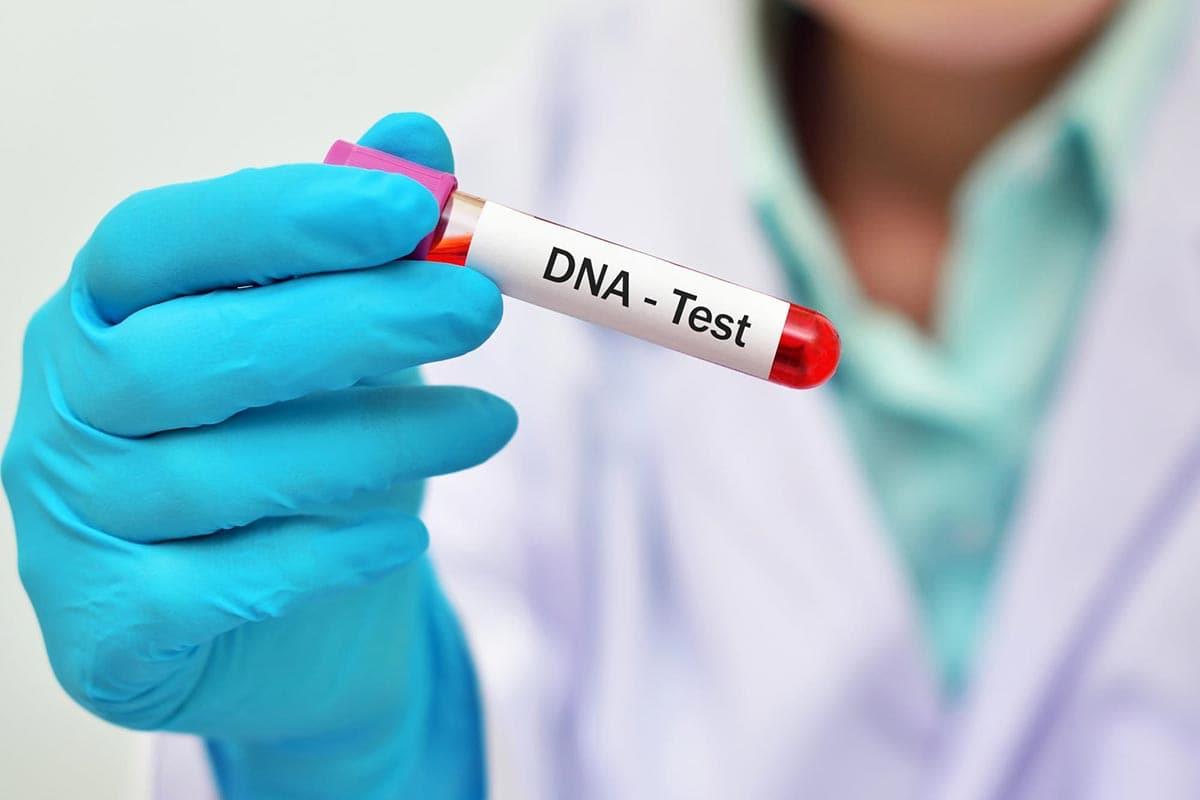
Building a family tree can feel like putting together a puzzle with missing pieces. You may know your parents' and grandparents' names but have little information about earlier generations. Family stories might mention an ancestral homeland, a relative who moved abroad, or a branch of the family that disappeared from historical records. An Ancestry DNA Test UAE can provide new clues to help investigate these mysteries.
By analyzing inherited genetic information, ancestry DNA testing can connect you with potential biological relatives, suggest broad ancestral origins, and provide evidence that supports traditional genealogy research. When combined with birth certificates, marriage records, census documents, and family interviews, these genetic clues can help you develop a more complete picture of your family history.
This guide explains how to use an ancestry DNA test to build your family tree, interpret DNA matches, investigate unknown ancestors, and avoid common genealogy mistakes.
Why Traditional Family Tree Research Sometimes Reaches a Dead End?
Many people begin building a family tree with information collected from relatives, old photographs, family documents, and public records. This approach can reveal several generations of family history, but research sometimes becomes difficult when important details are missing.
You might encounter an ancestor whose parents are unknown, a surname that changes between records, or a family branch that moved to another country. Historical documents may also be unavailable, incomplete, or difficult to access.
An ancestry DNA test introduces another source of evidence: genetic relationships.
Unlike a traditional document, which records information about a particular event or person, DNA can help identify biological connections between people who have tested. These connections may provide new directions for your genealogy research, especially when a paper trail is incomplete.
DNA testing does not replace traditional family history research. Instead, it can help you identify which records to search, which family relationships to investigate, and which long-standing assumptions deserve another look.
The Three Ways DNA Testing Can Strengthen Your Family Tree:
An ancestry DNA test can contribute to family tree research in several important ways.
1. Discovering Potential Relatives Through DNA Matches
DNA matches are people who share detectable DNA segments with you. Depending on the amount of shared DNA and your family circumstances, a match might be a close relative, a distant cousin, or another biological connection.
Testing companies often estimate possible relationships using the amount of shared DNA, commonly measured in centimorgans (cM). However, different relationships can share similar amounts of DNA, so these estimates are not always definitive.
A DNA match becomes especially useful when the person has a family tree, shares ancestral surnames, or has family origins that overlap with your own.
For example, a match whose grandparents came from the same village as your great-grandparents may provide a valuable research lead. By comparing family trees and historical records, you may discover a shared ancestor who was missing from your own research.
2. Investigating Your Ancestral Origins
Ethnicity estimates can suggest genetic similarities between your DNA and reference populations associated with particular geographic regions.
These estimates may help you develop questions about your family's origins, particularly when you have limited information about earlier generations.
However, ethnicity percentages do not identify individual ancestors or prove that a specific relative came from a particular country. Genetic populations often overlap, and modern borders do not always reflect historical migration patterns.
Use regional ancestry results as clues, then investigate them through family documents, historical maps, immigration records, and local archives.
3. Testing Existing Family History Theories
Sometimes DNA testing supports information already found in your family tree. In other cases, it raises questions about a relationship or suggests that two branches may be connected.
Suppose historical records indicate that two people were siblings, but the available documents are incomplete. DNA matches among their descendants may provide additional evidence about whether the branches share a biological ancestor.
Such findings must be interpreted carefully because shared DNA can have multiple explanations. The strongest conclusions come from combining genetic evidence with reliable documentation.
A Step-by-Step Method for Building Your Family Tree With DNA:
The most effective approach is to organize your research before trying to interpret every result in your DNA report.
Step 1: Create a Basic Family Tree First
Start with yourself and work backward through your parents, grandparents, and great-grandparents.
Record names, approximate birth and death dates, marriage details, locations, and known relationships. Include information from family interviews, photographs, letters, and official documents.
Mark uncertain details clearly. A family tree becomes less useful when guesses are recorded as confirmed facts.
Creating this foundation gives you a reference point for evaluating new DNA matches.
Step 2: Review Your Closest DNA Matches
Once your ancestry DNA results are available, begin with matches that share larger amounts of DNA with you.
Record the shared DNA amount, the company's suggested relationship, any available family tree, and possible ancestral locations.
Close matches can sometimes be assigned to a family branch more easily than distant matches. However, relationship estimates should always be checked against known ages, family structures, and other evidence.
Step 3: Look for Shared Matches
Shared matches are people who match both you and another person in your DNA results.
When several matches appear to belong to the same family network, they may help you identify a shared ancestral branch. This can be particularly helpful when individual matches have limited family tree information.
For example, several matches may list the same ancestral surname or geographic area. That pattern could suggest a common family connection worth investigating through historical records.
Shared matches are useful clues, but they do not automatically prove that everyone belongs to the same branch. Interrelated families and multiple shared ancestors can complicate the analysis.
Step 4: Compare DNA Matches With Historical Records
DNA results become more meaningful when they support documented relationships.
Search for birth certificates, marriage records, death records, census entries, immigration documents, military records, and obituaries where available.
Compare names, dates, locations, and family relationships across multiple sources. Remember that names may be spelled differently in historical documents and that ages or birthplaces may sometimes be recorded inaccurately.
If a DNA match suggests a possible relationship, use the available records to determine whether that connection fits the known family history.
Step 5: Document What You Discover
Keep a research log that records each match, the proposed relationship, the supporting evidence, and any unresolved questions.
Separate confirmed relationships from likely connections and untested theories. This makes it easier to revisit your conclusions when new DNA matches or historical documents become available.
How DNA Matches Can Help You Find Unknown Ancestors?
One of the most valuable uses of genetic genealogy is investigating family branches that are difficult to trace through documents alone.
A DNA match may connect you with someone whose ancestors lived in a place you have never researched. Their family tree might contain names or relationships missing from your records.
You can investigate the connection by comparing shared DNA, ancestral surnames, geographic locations, and known family relationships.
If several matches appear to connect to the same ancestral couple, their combined family trees may help you narrow down a possible relationship. You can then search historical documents to test that theory.
DNA testing can also help people explore biological family connections following adoption, donor conception, or gaps in family records. These discoveries may be emotionally significant, so it is important to approach unexpected information thoughtfully and respect the privacy of everyone involved.
A match alone rarely explains the entire story. Treat it as an invitation to research rather than an immediate answer.
What Ethnicity Estimates Can and Cannot Add to Genealogy Research?
Ethnicity estimates can provide context for your family history, but they are generally less useful for identifying specific ancestors than DNA matches supported by documented relationships.
A regional estimate might suggest that your DNA resembles populations associated with a particular part of the world. This could encourage you to investigate historical migration, local records, or family stories connected with that area.
However, a small percentage does not prove that you had a specific ancestor from a particular country. Estimates can change as testing companies update their reference populations and analytical methods.
For family tree research, prioritize identifiable DNA matches and supporting records when investigating individual relationships. Use ethnicity estimates as broader background information rather than treating them as a map of every ancestor in your family tree.
Common Mistakes to Avoid When Using DNA to Build a Family Tree:
DNA evidence is powerful, but misunderstandings can lead to incorrect family connections.
Assuming every suggested relationship is correct: A testing service may offer several possible relationships based on shared DNA. Check the evidence before assigning a person to a specific generation.
Treating ethnicity percentages as exact ancestry measurements: Regional estimates are statistical interpretations, not a precise count of ancestors from each country.
Ignoring historical records: DNA matches should be evaluated alongside documents and known family relationships.
Accepting an attractive theory too quickly: A shared surname or geographic connection may be meaningful, but it does not independently prove a relationship.
Overlooking privacy: DNA findings can reveal information about living relatives. Be thoughtful about sharing results, contacting matches, and publishing family details.
Avoiding these mistakes helps keep your family tree accurate, respectful, and useful for future research.
Protecting Your DNA Information During Family Research:
Before uploading or sharing genetic information, review your testing company's policies on data storage, research participation, third-party sharing, and account deletion.
Use a strong password and enable additional account security where available. Think carefully before uploading raw DNA data to other genealogy platforms because each service may have different privacy practices.
When contacting DNA matches, explain your research purpose politely and give them the choice to respond. Not everyone wants to discuss family history or unexpected biological connections.
Responsible genetic genealogy protects both your information and the privacy of the relatives whose stories may emerge during your research.
Frequently Asked Questions About DNA Testing and Family Trees:
Can an ancestry DNA test build my family tree automatically?
Some testing services offer family tree tools and automated suggestions, but these features do not create a fully verified family tree from DNA alone. You still need to review relationships, compare records, and confirm important details.
How far back can DNA testing help me trace my ancestors?
The answer depends on the type of evidence available. DNA matches may help identify distant cousins and shared ancestors, but the exact relationship becomes harder to establish as generations increase. Historical records and family trees are essential for extending research further back in time.
Should I test my parents or grandparents?
If they are willing to participate, testing older generations can be particularly helpful because they carry DNA inherited from ancestors that you may not have received. Their matches may also help distinguish different branches of the family.
Can DNA testing prove that two people are related?
DNA evidence can provide strong support for biological relatedness, especially for close relatives. However, identifying the precise relationship may require additional evidence, including family records and information about the people involved.
Build a More Complete Family History With DNA and Records:
An ancestry DNA Lab tests can help you expand your family tree by identifying potential relatives, suggesting ancestral origins, and providing new leads when traditional research reaches a dead end. Its greatest value comes from combining genetic evidence with documented family history.
Start with a basic family tree, examine your closest DNA matches, look for shared connections, and verify possible relationships through reliable historical records. Keep uncertain findings separate from confirmed facts, and remain open to revising your conclusions as new evidence emerges.
Your DNA test is not the finished family tree. It is another tool for discovering the people, places, and relationships that shaped your family's story.

 English
 Arabic
 French
 Spanish
 Portuguese
 Deutsch
 Turkish
 Dutch
 Russian
 Romaian
 Portuguese (Brazil)
 Greek
