


How Distribution Management Software Supports Business Growth and Scalability
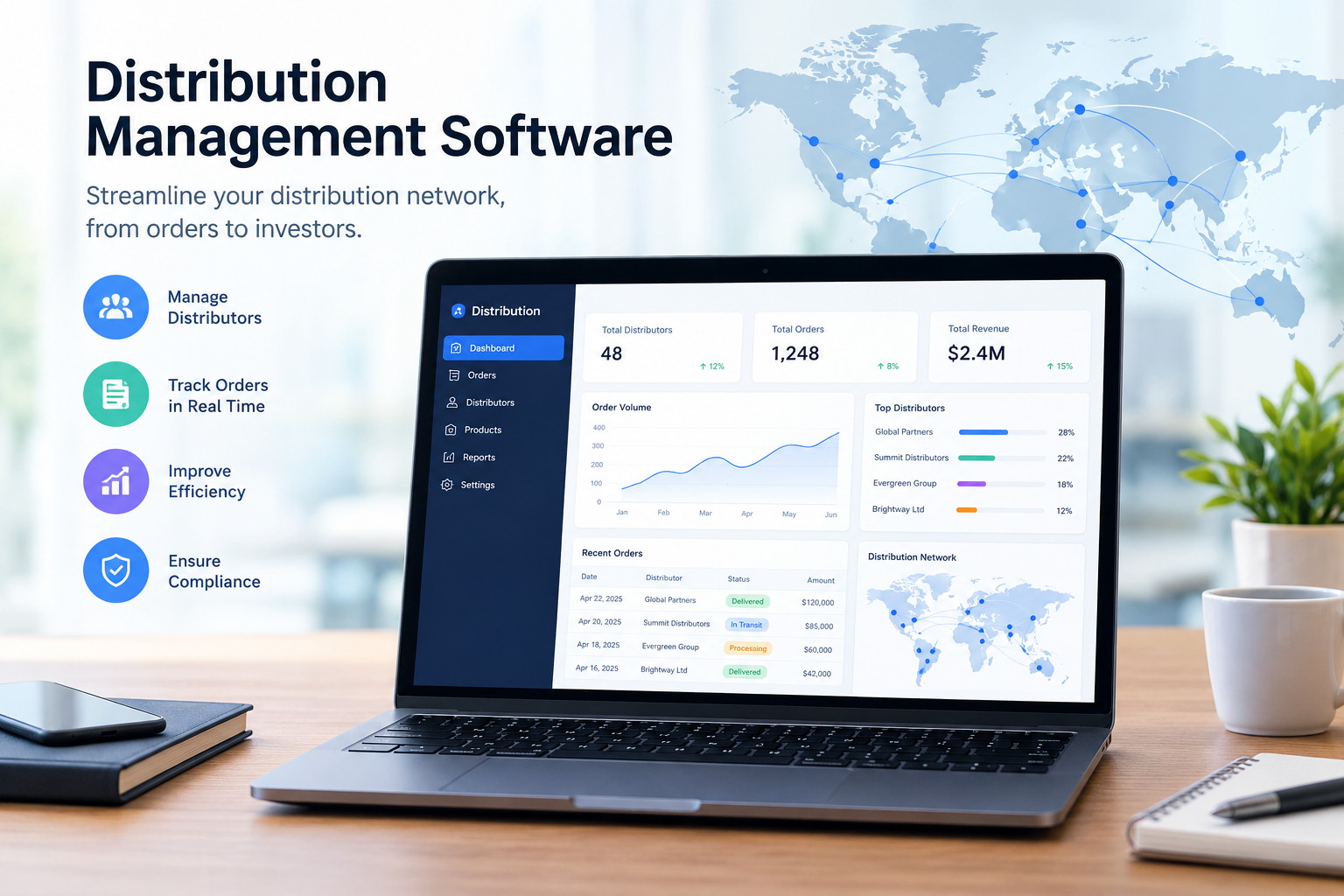
Business growth creates new opportunities, but it also introduces operational challenges. As companies expand into new markets, serve more customers, and manage larger product inventories, their distribution processes become increasingly complex. Manual workflows and disconnected systems may work for smaller operations, but they can limit efficiency as order volumes increase. Distribution management software helps businesses overcome these challenges by improving inventory visibility, streamlining order processing, and coordinating distribution activities across multiple locations.
By centralizing essential distribution processes, businesses can improve operational control, respond to changing customer demands, and build a scalable foundation for long-term growth. The right software enables organizations to manage increasing workloads without allowing unnecessary complexity to slow their progress.
Improving Operational Efficiency
Operational efficiency becomes increasingly important as a business grows. Higher order volumes require faster processing, accurate inventory records, and effective coordination between warehouse employees, suppliers, and delivery partners. Without organized workflows, businesses may experience errors, duplicated tasks, and rising operating costs.
Distribution management software automates routine activities, including order processing, inventory updates, shipment coordination, and distribution reporting. Automation reduces repetitive administrative work and allows employees to focus on more valuable responsibilities.
For example, when a customer places an order, the system can verify product availability, update inventory records, and initiate the fulfillment process. This reduces manual intervention and helps teams process orders more consistently.
Improved efficiency allows businesses to handle additional orders using existing resources more effectively. As operations expand, standardized workflows also make it easier to maintain productivity and service quality.
Strengthening Inventory Management
Inventory management becomes more challenging when businesses introduce additional products, warehouses, or distribution channels. Limited visibility into stock levels can result in overstocking, shortages, and delayed deliveries, all of which can affect profitability and customer satisfaction.
Distribution management software provides centralized inventory information, allowing businesses to monitor stock availability across different locations. Depending on the system's capabilities, managers can track inventory movements, review historical demand, and identify products that require replenishment.
Accurate inventory information supports better purchasing decisions and reduces the risk of tying up capital in unnecessary stock. Businesses can also identify slow-moving products and adjust purchasing strategies according to actual demand.
As a company grows, this visibility becomes especially valuable. Instead of managing separate inventory records for each facility, teams can coordinate stock across the distribution network and allocate products where they are needed most.
Supporting Expansion Into New Markets
Entering new markets requires businesses to manage additional customers, suppliers, delivery routes, and potentially different operational requirements. Without a consistent distribution process, expansion can increase costs and create service inconsistencies.
Distribution management software helps organizations establish repeatable workflows that can be applied across new locations. Centralized order management and standardized inventory procedures allow managers to maintain greater control as their distribution networks expand.
Businesses can also use operational data to evaluate demand patterns, identify high-performing regions, and determine where additional distribution capacity may be necessary.
For example, a company entering a new geographic market can use inventory and order information to assess whether products should be shipped from an existing warehouse or stocked at a regional facility.
This structured approach helps organizations expand distribution operations while maintaining visibility, efficiency, and reliable customer service.
Enhancing Customer Satisfaction
Customer expectations often increase as businesses grow. Buyers expect accurate orders, transparent delivery information, and consistent service regardless of how many locations or sales channels a company operates.
Distribution management software supports these expectations by improving order accuracy, providing shipment visibility, and helping teams identify fulfillment issues earlier. Employees can access relevant order information and respond to customer inquiries with greater confidence.
Better coordination between inventory, warehouse, and transportation activities also helps reduce avoidable delivery delays. When products are available and fulfillment workflows operate efficiently, businesses can provide more dependable service.
Satisfied customers are more likely to place repeat orders and maintain long-term relationships with suppliers. Consequently, improvements in distribution performance can support customer retention and sustainable revenue growth.
Enabling Data-Driven Decision-Making
Growing businesses need accurate information to make decisions about inventory investments, warehouse capacity, staffing, and distribution costs. Relying on assumptions or outdated spreadsheets can make it difficult to identify operational weaknesses.
Distribution management software can generate reports and performance indicators that help managers understand how distribution activities are performing. Depending on the platform, these insights may include order fulfillment times, inventory turnover, shipping expenses, stock shortages, and delivery performance.
Managers can use this information to identify recurring problems, compare warehouse performance, and evaluate whether operational changes are producing improvements.
For instance, if shipping costs increase as order volumes grow, management can examine transportation patterns and carrier performance to identify opportunities for improvement.
Data-driven planning helps businesses allocate resources more effectively, control expenses, and make informed decisions about future expansion.
Managing Increasing Order Volumes
Rapid business growth can place significant pressure on fulfillment operations. Seasonal demand, marketing campaigns, and new customer acquisitions may increase order volumes beyond what existing processes can comfortably handle.
Distribution management software helps businesses manage these fluctuations through automated workflows, centralized order information, and coordinated warehouse operations. Depending on available features, the system may support order prioritization, warehouse task assignments, and inventory allocation across multiple facilities.
These capabilities help teams maintain consistent processes even when demand increases. Managers can also use historical order information to anticipate busy periods and prepare inventory, staffing, and transportation resources in advance.
Although software cannot eliminate every capacity limitation, it helps organizations identify operational requirements and respond to changing workloads more efficiently.
Controlling Costs While Scaling Operations
Business expansion often increases expenses related to storage, transportation, labor, and inventory management. If these costs are not monitored carefully, revenue growth may not translate into stronger profitability.
Distribution management software helps organizations identify inefficiencies and improve resource utilization. Accurate inventory records can reduce unnecessary purchasing, while coordinated shipping activities may help businesses identify opportunities to consolidate deliveries or improve carrier selection.
Automated processes can also reduce administrative workload and minimize costly order errors. Better reporting gives managers greater visibility into distribution expenses, helping them determine where process improvements could deliver the greatest value.
By monitoring costs alongside service performance, businesses can expand their distribution capabilities without overlooking operational efficiency.
Conclusion
Distribution management software provides businesses with the tools needed to manage growing operational demands and build scalable distribution processes. By improving inventory visibility, automating routine tasks, strengthening customer service, and supporting data-driven decisions, it helps organizations respond effectively to increasing order volumes and changing market conditions.
As businesses enter new markets and expand their distribution networks, centralized information and standardized workflows become increasingly valuable. The right solution can help control costs, improve resource utilization, and maintain consistent service quality across multiple locations.
Investing in distribution management software allows businesses to create a more flexible and efficient operational foundation. With appropriate implementation and ongoing performance monitoring, organizations can support sustainable growth while remaining prepared for future distribution challenges.

 English
 Arabic
 Spanish
 Portuguese
 Deutsch
 Turkish
 Dutch
 Italiano
 Russian
 Romaian
 Portuguese (Brazil)
 Greek
