


Can Teeth Scaling Help Prevent Bleeding Gums?
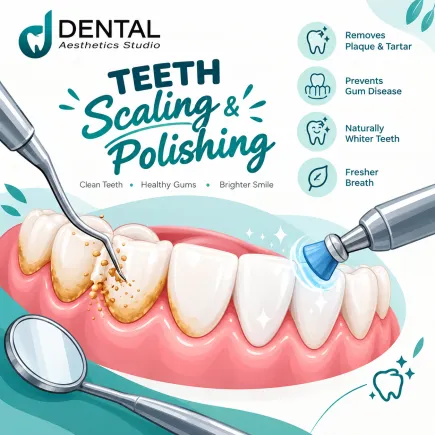
Bleeding gums are a common oral health concern that may occur while brushing, flossing, or eating hard foods. One of the most common causes is plaque buildup along the gumline, which can lead to inflammation and gum disease if not managed properly. Teeth scaling is a professional dental procedure that removes plaque and hardened tartar from tooth surfaces and around the gums. When bleeding is caused by plaque-related gum inflammation, scaling can help improve gum health and reduce bleeding.
What Causes Gums to Bleed?
Healthy gums generally do not bleed during normal brushing or eating. When gums become swollen, tender, or sensitive, they may bleed more easily. Poor oral hygiene is a common cause because plaque contains bacteria that irritate gum tissue.
Other possible causes include gingivitis, advanced gum disease, brushing too aggressively, certain medications, hormonal changes, and some medical conditions. Persistent or unexplained bleeding should be assessed by a dental professional to identify the underlying cause.
If plaque and tartar have accumulated around your teeth, professional cleaning may be recommended to help restore gum health.
How Does Teeth Scaling Help Prevent Bleeding Gums?
Teeth scaling removes plaque and hardened tartar that collect on teeth, particularly around the gumline. These deposits can irritate gum tissue and contribute to gingivitis, an early form of gum disease.
By removing the buildup, scaling helps reduce a major source of irritation and allows the gums to recover. If you are looking for teeth scaling in Islamabad, a dental professional can examine your gums and determine whether scaling or additional treatment is appropriate.
1. Removes Plaque and Tartar:
Plaque forms naturally on teeth and can accumulate when brushing and flossing are not effective. If it remains for too long, it can harden into tartar, which cannot be removed with an ordinary toothbrush.
Professional scaling removes these deposits from tooth surfaces and around the gumline. This helps reduce bacterial buildup that may contribute to gum inflammation and bleeding.
2. Reduces Gum Inflammation:
When plaque and tartar irritate the gums, the tissue may become red, swollen, and more likely to bleed. This is often associated with gingivitis.
Removing the deposits helps reduce the source of irritation. With consistent oral hygiene and appropriate professional care, inflamed gums may gradually become healthier and less likely to bleed.
3. Helps Control Early Gum Disease:
Gingivitis is an early stage of gum disease and can often be improved with professional cleaning and better daily oral care. Scaling helps remove the deposits that contribute to the condition.
However, if gum disease has progressed and affected the supporting tissues around the teeth, routine scaling alone may not be sufficient. Your dentist may recommend deeper cleaning or other periodontal treatment based on the severity of the condition.
4. Supports Better Oral Hygiene:
After scaling, teeth may feel smoother because hardened deposits have been removed. Clean tooth surfaces can make it easier to maintain good oral hygiene and reduce places where plaque accumulates.
Brushing twice daily, cleaning between the teeth, and attending regular dental checkups help maintain the benefits of professional cleaning.
Is Bleeding Normal After Teeth Scaling?
Some people experience mild gum tenderness or slight bleeding immediately after scaling, especially if their gums were already inflamed or a significant amount of tartar was present. This usually improves as the gums recover.
Temporary sensitivity may also occur after treatment. Follow your dentist's aftercare instructions and use a soft-bristled toothbrush to avoid irritating the gums further.
If bleeding is heavy, continues, worsens, or occurs repeatedly after the initial recovery period, contact your dentist for an assessment.
How Can You Prevent Bleeding Gums After Scaling?
Professional cleaning is only one part of maintaining healthy gums. Daily care is essential to prevent plaque from building up again.
Follow these habits to support your gum health:
-
Brush twice daily with fluoride toothpaste and a soft-bristled toothbrush.
-
Clean between your teeth daily with floss or an appropriate interdental cleaning tool.
-
Brush gently along the gumline instead of applying excessive pressure.
-
Avoid smoking or tobacco products, which can affect gum health.
-
Limit frequent sugary snacks and maintain a balanced diet.
-
Schedule dental checkups and professional cleaning as recommended.
These habits help control plaque and reduce the risk of recurring gum inflammation.
When Should You Visit a Dentist for Bleeding Gums?
Occasional bleeding can result from brushing too forcefully, but repeated bleeding should not be ignored. Arrange a dental appointment if your gums bleed frequently, appear swollen or red, or are accompanied by persistent bad breath or gum tenderness.
Loose teeth, receding gums, or pus around the gums may indicate a more serious problem and require prompt dental assessment. Heavy or unexplained bleeding, particularly if accompanied by other unusual bleeding or bruising, also warrants medical advice.
Your dentist can identify the cause and recommend suitable treatment instead of relying on scaling alone when another condition is responsible.
Conclusion:
Teeth scaling can help prevent bleeding gums when plaque and tartar buildup are causing gum inflammation. Removing these deposits supports healthier gums, but lasting results also depend on daily brushing, cleaning between teeth, and regular dental visits. Because bleeding can have several causes, persistent symptoms should be evaluated by a dental professional.
For professional dental care and guidance on maintaining healthy gums, visit Dental Aesthetics Studio.

 English
 Arabic
 French
 Spanish
 Portuguese
 Deutsch
 Turkish
 Dutch
 Italiano
 Russian
 Portuguese (Brazil)
 Greek
