


Which Zhiguang Fridge Storage Containers Suit Different Kitchen Routines
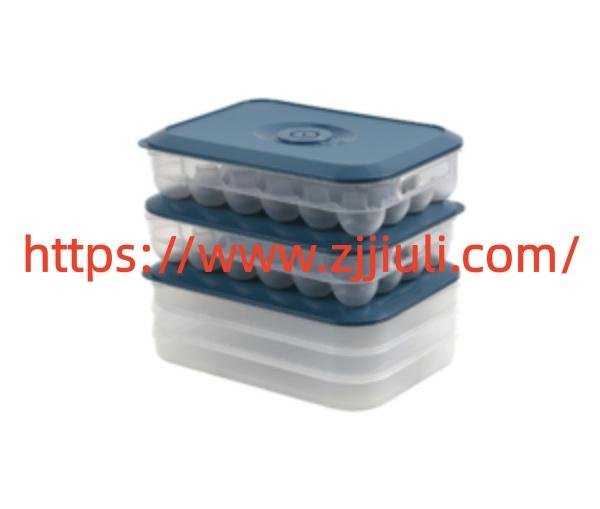
Fridge Storage Containers can make everyday meal preparation easier by giving ingredients, leftovers, and ready to serve portions a clear place in the refrigerator. For busy households, the challenge is not always deciding what to cook. It is finding the time to wash vegetables, prepare ingredients, arrange portions, and keep everything accessible when the next meal arrives. A practical storage system helps turn these small tasks into a routine that feels easier to manage.
Think about a typical weekday morning. Someone needs to pack lunch, another family member wants a quick breakfast, and dinner ingredients are still waiting to be prepared. Without a simple arrangement, the refrigerator can become a collection of opened packages, half used ingredients, and containers that are difficult to identify. When foods are grouped according to how they will be used, planning becomes more straightforward. Prepared vegetables can sit together, lunch portions can occupy a designated shelf, and leftovers can remain easy to identify.
One useful approach is to prepare ingredients according to the meals planned for the coming days. After shopping, wash and cut suitable vegetables, divide snacks into convenient portions, and place ingredients for particular recipes in separate containers. This arrangement can reduce repeated preparation during the week. Instead of searching through several packages after work, a home cook can quickly check what is available and begin cooking.
Container size matters during this process. A large container may suit leafy vegetables or ingredients intended for several meals, while smaller options can hold sauces, cut fruit, nuts, or individual portions. Choosing sizes according to actual use helps avoid filling the refrigerator with oversized boxes. It also makes it easier to separate ingredients that should not be mixed before cooking. For manufacturers, offering different capacities can help address the varied needs of households, meal preparation services, and food retailers.
Shape is another practical consideration. Rectangular designs can fit neatly along refrigerator shelves, while stackable styles may help households use available vertical space. However, stacking should not make daily access difficult. Frequently used ingredients need to remain visible and easy to reach. Before selecting a set, consumers should measure their shelf depth, width, and available height. A container that looks convenient on a product page may not suit every refrigerator layout.
Material and lid design also deserve attention. Buyers can compare the intended food contact use, cleaning instructions, durability, and suitability for repeated household use. Lids should be easy to handle while providing a practical closure for the intended contents. If the containers will hold sauces or prepared dishes, buyers may also want to consider how easily the corners and edges can be cleaned. Product descriptions should explain relevant care instructions clearly so customers can make informed decisions.
Good organization also depends on how food is stored. Prepared meals should be cooled and refrigerated appropriately, and perishable ingredients should not remain at room temperature for extended periods. Raw ingredients should be kept separate from ready to eat foods, with raw meat stored in a way that prevents juices from contacting other items. Labels showing the contents and preparation date can make it easier to track leftovers and use older items before newer ones. Containers support an organized routine, but they do not replace safe food handling.
For families, portion planning can make a noticeable difference to daily routines. Parents might prepare snack portions for children, while office workers can arrange lunches in advance. People who cook several dishes at once can separate ingredients into meal sized amounts, making it easier to assemble different combinations during the week. These small habits can also help households notice what they already have before buying additional groceries.
For retailers and wholesale buyers, the same everyday needs create several product considerations. Customers may look for a range of sizes, coordinated designs, convenient lids, and packaging suitable for display or storage. Buyers evaluating a supplier should ask about available specifications, material options, order quantities, packaging details, and customization arrangements. Clear product information helps businesses select items that match their target customers and sales channels.
Zhiguang provides a product range for buyers considering practical household storage solutions. When reviewing options, it is useful to compare the intended application, dimensions, design details, and purchasing requirements rather than choosing by appearance alone. Whether the goal is to organize a family refrigerator or develop a retail product selection, matching product features with real daily habits can support a more useful purchasing decision. You can review the available products and discuss your requirements through the Zhiguang catalogue at https://www.zjjiuli.com/product/ to identify options that suit your market and storage needs.

 Arabic
 French
 Spanish
 Portuguese
 Deutsch
 Turkish
 Dutch
 Italiano
 Russian
 Romaian
 Portuguese (Brazil)
 Greek
