


U4GM Guide to More Strikeouts in MLB The Show 26
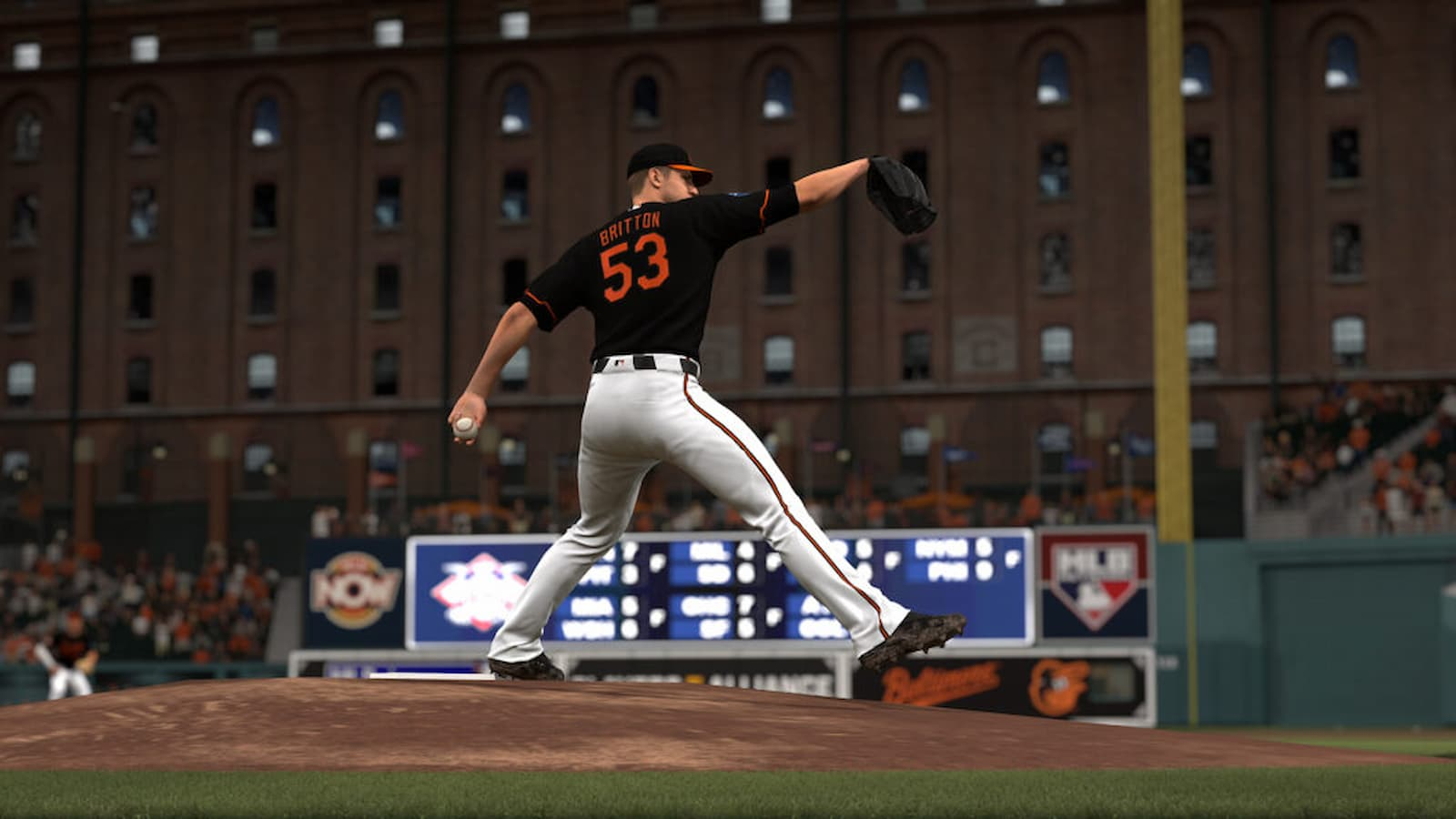
Your best strikeout pitch isn't always your fastest one. It's the pitch that makes the hitter question what they've just seen. In MLB The Show 26, build around your pitcher's strengths rather than copying one sequence across your rotation. If you're considering MLB 26 stubs while adjusting your roster, think about how each arm's pitches work together. A power pitcher might finish upstairs after showing something low. A pitcher with a strong changeup needs the hitter expecting speed first. Same goal, different route.
Get ahead without showing your whole plan
The opening pitch should give you options, not announce the rest of the at-bat. Start near an edge with something you can locate. Once you're ahead, change speed or move the hitter's attention elsewhere. At 0-2 or 1-2, you can try a pitch just outside the zone, but make it look tempting on the way there. A breaking ball that looks like a ball immediately won't accomplish much. At 2-2, don't automatically repeat it. With three balls, trust your command instead of asking for an unlikely swing.
Make the pitches work together
A hard pitch followed by a slower one sounds simple. Placement makes the difference. Show a fastball low, then work higher when the hitter starts looking down. Or show a strike before throwing a breaking pitch that begins on a similar line and finishes below it. That's the useful part of tunneling: the hitter has less time to separate two different pitches. Don't force it with a pitch you can't locate, though. A modest change in speed or position beats a hanging curve.
| Hitter response | Next adjustment |
|---|---|
| Early on hard pitches | Change speed |
| Takes pitches outside | Threaten the edge |
| Repeated foul balls | Change location |
Watch the swings, not just the count
A foul ball tells you something, even when it doesn't move the count. If the hitter keeps catching up to your fastball, another one in the same spot probably isn't the answer. Try a different speed or target. Patient opponents need a different approach, too. You don't have to finish every at-bat outside the zone. Sometimes a called strike on the corner is the better choice. Check Pitch History between hitters for repeated locations, and use Batter Analysis to inform your next decision rather than treating it as a script.
Keep your execution repeatable
Choose pitching controls you can use consistently, and notice when fatigue starts affecting location. Extra effort won't rescue a poor target. Before your next inning, pick a reliable strike pitch and a contrasting finishing option. Whether you're browsing MLB The Show Stubs for sale or sticking with your current roster, those two choices give each pitcher a workable starting point. Then adjust to the swings you actually see.

 English
 Arabic
 French
 Spanish
 Portuguese
 Deutsch
 Dutch
 Italiano
 Russian
 Romaian
 Portuguese (Brazil)
 Greek
