


How Does a Bank Investigate Suspected Card Cloning?
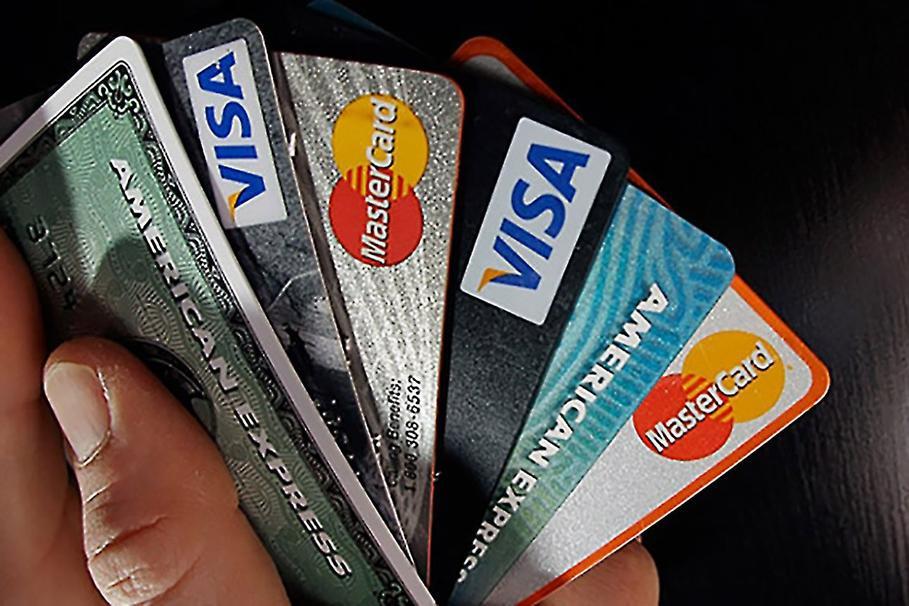
Is your bank account truly as secure as the heavy steel doors in a local branch suggest? When a fraud department spots a strange transaction, a complex machine starts moving to protect your funds - these financial institutions use advanced logic and massive data sets to determine if a physical card is in your pocket or if a duplicate exists elsewhere.
The process is fast because timing is critical in stopping theft. Investigators look for patterns that do not match your typical behavior. They act as digital detectives to separate legitimate purchases from criminal ones.
Initial Detection of Irregular Activity
Modern banking systems are always watching for "velocity" triggers. If a purchase happens in London and another occurs in New York twenty minutes later, the system knows a human cannot travel that fast - this "impossible travel" is a primary red flag for a cloned card. The bank is checking if the physical magnetic stripe data is appearing in two places right away.
Banks also monitor the type of stores where the card is active. Criminals often test a cloned card at a gas station or a small grocery store before attempting a large purchase - these small "pings" are signals that the security team uses to freeze access before your balance drops to zero.
Analyzing the Digital Footprint
Every time you swipe, the terminal sends specific data packets to the bank. Investigators examine the technical "handshake" between the card reader and their servers. Cloned cards often lack certain encrypted elements that a genuine EMV chip provides - this discrepancy is a clear indicator that the data is from a copy rather than the original plastic.
The investigators also look at the specific ATM or Point of Sale (POS) hardware involved. If they see multiple reports of fraud from different customers who all used the same coffee shop last week, that shop becomes a "point of compromise" This helps them find where the original data theft happened. For those curious about the technical side of how data is used, some online resources explain how one might view cloned cards data in a theoretical context.
Physical Evidence & Location Tracking
Banks often request surveillance footage from the locations where the suspicious card was present. They compare the person in the video with the known account holder - this step is slower but provides the visual proof necessary for police reports. Security teams are very precise when matching timestamps from the transaction log to the video feed.
Your mobile phone's location is another tool - If your banking app is open on a phone in Chicago but the card is being swiped in Miami, the bank is likely to decline the Miami transaction - this geographic verification is a strong defense against duplicates. Some people wonder if there is a fake credit card number that works for testing systems but banks use live verification to ensure every number is tied to a real, authorized person.
Internal Systems & External Cooperation
Investigation does not happen in a vacuum - Banks share data with other institutions through secure networks. If a specific type of skimming device is active in a city, the information travels fast between fraud departments. They maintain lists of high risk merchants and known hardware vulnerabilities to stay ahead of thieves.
This is what a typical investigation includes
- Reviewing the last ten successful transactions to find a common point of contact.
- Checking for changes in the card's security code (CVV) usage.
- Contacting the merchant to verify if the physical card was present or if the number was typed in manually.
The goal is always to minimize the loss for the customer and the bank. Once they confirm a clone exists, they void the old card number immediately and issue a new one with updated security features. You can find more information about general card security at Dark Web Market Supply to understand the environment banks are fighting against.
FAQ
How long does a fraud investigation take?
Many banks provide a temporary credit within 48 hours but the full investigation can take 45 - 90 days to finalize.
Will I get my money back if my card is cloned?
Yes, as long as you report the suspicious activity quickly, federal laws usually limit your liability to a very small amount or nothing at all.
Can a card be cloned without me losing it?
Yes, thieves use hidden devices called skimmers on ATMs or gas pumps to record your data while the card stays in your hand.

 Arabic
 French
 Spanish
 Portuguese
 Deutsch
 Turkish
 Dutch
 Italiano
 Russian
 Romaian
 Portuguese (Brazil)
 Greek
