


When Should You Get a Lipid Profile Test?
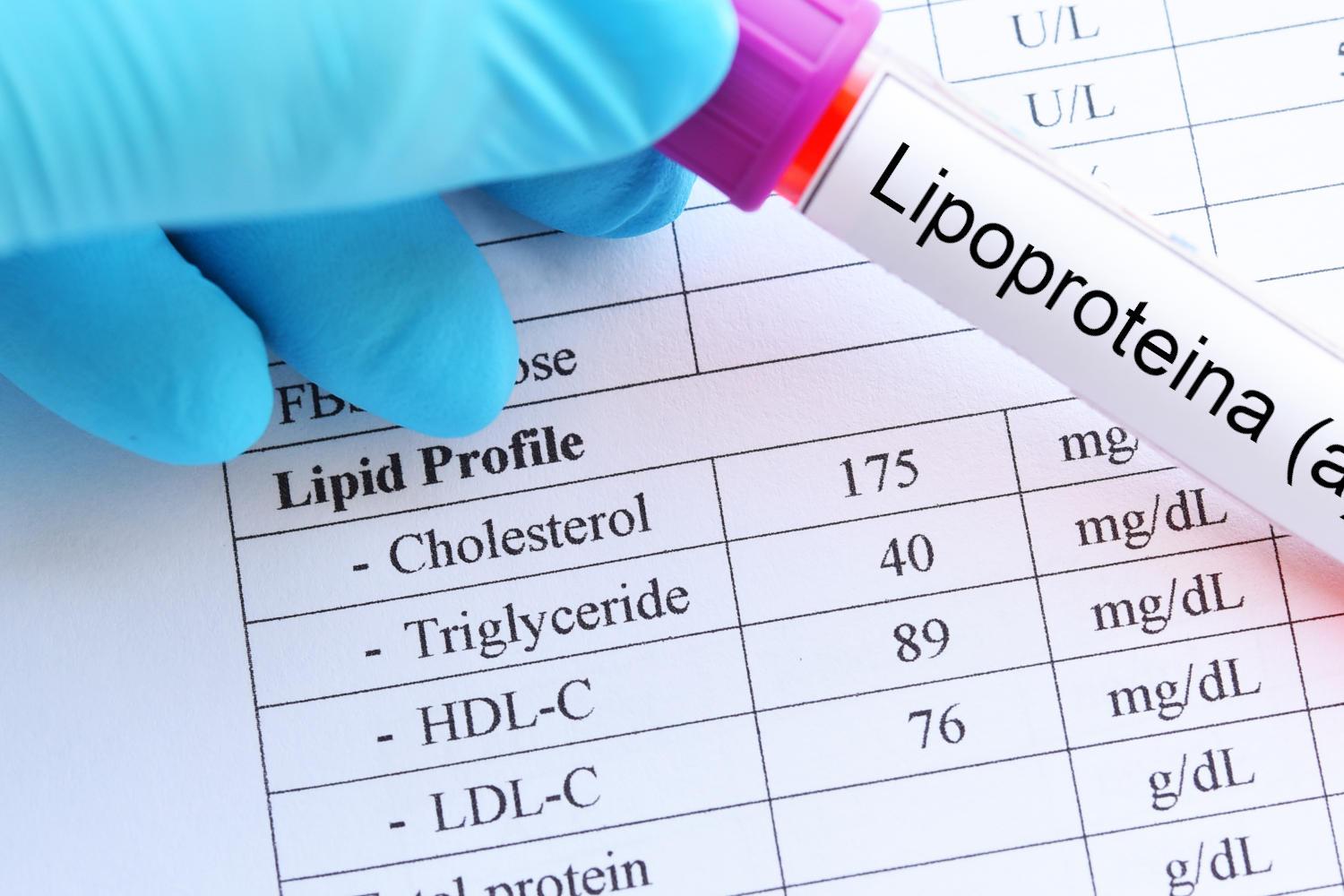
Knowing when to get a lipid profile test is an important part of protecting your heart and maintaining good health. High cholesterol can develop without obvious symptoms, meaning you may have elevated levels for years without realizing it. By the time complications appear, cholesterol may already have contributed to changes in your arteries.
A Lipid Profile Test in Dubai, also known as a lipid panel or cholesterol blood test, measures different types of cholesterol and triglycerides in your bloodstream. Healthcare professionals use these results to assess cardiovascular risk, identify lipid abnormalities, and determine whether lifestyle changes or medical treatment may be needed.
But how often should you get tested? Should you have a cholesterol test if you feel healthy, or only when you have symptoms? The answer depends on your age, family history, medical conditions, previous results, and other risk factors.
This guide explains when to get a lipid profile test, who may need earlier screening, how often testing is recommended, and how to prepare for your appointment.
The Best Time to Get a Lipid Profile Test:
There is no single testing schedule that suits everyone. For many people, cholesterol screening is part of routine preventive healthcare, while others may need more frequent testing because of existing medical conditions or elevated cardiovascular risk.
You may need a lipid profile test in the following situations:
-
During a routine health checkup, even if you feel healthy.
-
If you have a family history of high cholesterol or early heart disease.
-
If you have diabetes, high blood pressure, or other cardiovascular risk factors.
-
If a previous cholesterol test showed abnormal results.
-
Before or during treatment with cholesterol-lowering medication.
-
If your healthcare professional suspects an inherited cholesterol disorder.
Because high cholesterol usually does not cause noticeable symptoms, waiting until you feel unwell is not a reliable way to decide when to get tested.
At What Age Should You Start Cholesterol Testing?
Age is one factor healthcare professionals consider when recommending a lipid profile. However, family history and medical conditions can make testing necessary earlier than usual.
Children and Teenagers
Routine cholesterol screening may be recommended during childhood or adolescence, depending on local clinical guidelines and individual risk factors. Some guidelines support universal screening at certain childhood ages, while others emphasize risk-based testing.
Children with a family history of premature cardiovascular disease, very high cholesterol, or suspected familial hypercholesterolemia may need testing earlier. This inherited condition can cause elevated LDL cholesterol from a young age and may increase cardiovascular risk over a person's lifetime.
A pediatric healthcare professional can advise whether testing is appropriate for your child and when it should be performed.
Young Adults
Young adults may benefit from having their cholesterol levels checked even when they have no symptoms. Early testing can identify inherited cholesterol problems and provide a baseline for future comparisons.
If you have a strong family history of high cholesterol, smoke, have diabetes, or have other cardiovascular risk factors, discuss whether you need testing sooner or more often.
Middle-Aged Adults
Cholesterol screening becomes particularly important as cardiovascular risk tends to increase with age. Your doctor may recommend regular lipid testing as part of a broader assessment that includes blood pressure, blood glucose, smoking status, and family history.
Testing can help identify changes that may require preventive action before cardiovascular disease develops.
Older Adults
Older adults may need continued cholesterol monitoring, especially if they have diabetes, established cardiovascular disease, or take cholesterol-lowering medication.
The decision to continue screening or adjust treatment should consider overall health, life expectancy, medication tolerance, and personal preferences rather than age alone.
How Often Should You Get a Lipid Profile Test?
The frequency of cholesterol testing depends on your health status and the purpose of the test. A person with consistently healthy results and few risk factors may not need testing as often as someone with high LDL cholesterol or an existing cardiovascular condition.
For many healthy adults, repeat screening every four to six years may be reasonable, although recommendations differ among professional organizations and healthcare systems. Your doctor may suggest a shorter interval if your risk factors change.
| Health situation | When testing may be appropriate |
|---|---|
| Healthy adult with low cardiovascular risk | Periodic screening, often every four to six years |
| Previous abnormal cholesterol results | More frequent testing based on the results and risk level |
| Diabetes or other significant risk factors | Regular testing according to your care plan |
| Starting or changing cholesterol medication | Follow-up testing, often within 4–12 weeks |
| Long-term cholesterol treatment | Periodic monitoring, commonly every 3–12 months depending on clinical needs |
These intervals are general examples, not a universal schedule. Your healthcare professional may recommend different timing based on your individual circumstances and applicable guidelines.
Seven Situations When You May Need a Lipid Profile Test Sooner:
Some health conditions and life circumstances make cholesterol testing especially important. Consider discussing a lipid panel with your healthcare professional if any of the following apply to you.
1. You Have a Family History of High Cholesterol
Genetics can significantly influence cholesterol levels. If a parent, sibling, or other close relative has very high LDL cholesterol or developed cardiovascular disease at an unusually young age, you may have an inherited risk.
Familial hypercholesterolemia is one example. People with this condition may have high LDL cholesterol even when they follow a healthy diet and remain physically active.
Early testing can help identify the condition and guide appropriate treatment.
2. You Have Diabetes
Diabetes increases the risk of cardiovascular disease and can be associated with elevated triglycerides, low HDL cholesterol, and other lipid abnormalities.
A lipid profile helps healthcare professionals assess these patterns and determine whether additional preventive measures or cholesterol-lowering medication may be appropriate.
People with diabetes often need regular cholesterol monitoring as part of their ongoing care.
3. You Have High Blood Pressure
High blood pressure and elevated cholesterol can both contribute to cardiovascular risk. When these conditions occur together, the combined risk may be greater than the risk associated with either factor alone.
If you have hypertension, your doctor may recommend a lipid panel to build a more complete picture of your heart health.
4. You Smoke or Have Other Cardiovascular Risk Factors
Smoking increases cardiovascular risk and can negatively affect HDL cholesterol. Other factors, such as physical inactivity, excess body weight, and certain metabolic conditions, may also contribute to an unfavorable lipid profile.
A cholesterol test can help identify one part of your risk profile, although it does not replace other preventive health assessments.
5. You Have Previously Had High Cholesterol
If an earlier test showed elevated LDL cholesterol or triglycerides, follow-up testing may be necessary to determine whether the levels have improved, remained high, or increased further.
Your healthcare professional may also investigate possible contributing factors, including diet, thyroid disorders, diabetes, kidney disease, and certain medications.
6. You Have Started Cholesterol-Lowering Medication
If you begin taking a statin or another lipid-lowering medicine, a repeat lipid profile helps determine whether the treatment is working as expected.
Testing is commonly performed around 4–12 weeks after starting or changing treatment, followed by periodic monitoring as advised by your doctor.
Never stop or change your prescribed medication based on a single result without consulting your healthcare professional.
7. You Have a Medical Condition That Can Affect Cholesterol
Conditions such as hypothyroidism, chronic kidney disease, and some liver or metabolic disorders can influence lipid levels. Certain medications may also affect cholesterol or triglycerides.
Your doctor may recommend testing when diagnosing or managing these conditions, depending on your medical history and treatment plan.
Can You Tell When Your Cholesterol Is High?
Usually, no. High cholesterol does not generally cause symptoms such as headaches, dizziness, fatigue, or chest discomfort.
Chest pain, shortness of breath, or sudden weakness should never be assumed to result from high cholesterol alone. These symptoms may indicate other conditions and sometimes require urgent medical evaluation.
Rarely, inherited cholesterol disorders can cause visible signs such as cholesterol deposits in tendons or certain areas around the eyes. However, most people with elevated cholesterol have no obvious physical signs.
The most reliable way to identify high cholesterol is through a blood test rather than trying to recognize symptoms.
What Do Lipid Profile Test Results Mean?
A lipid profile typically measures total cholesterol, LDL cholesterol, HDL cholesterol, and triglycerides. Some reports also include non-HDL cholesterol.
Common adult reference points include:
-
Total cholesterol: Below 200 mg/dL is generally desirable.
-
LDL cholesterol: Below 100 mg/dL is often considered optimal.
-
HDL cholesterol: At least 40 mg/dL in men and 50 mg/dL in women is generally preferable.
-
Triglycerides: Below 150 mg/dL is generally normal.
These values provide a general guide, but your personal treatment targets may differ. People with established cardiovascular disease or certain high-risk conditions may need substantially lower LDL cholesterol levels.
Your results should be interpreted alongside your age, blood pressure, diabetes status, smoking history, family history, and other risk factors. A single abnormal reading does not automatically mean you have heart disease, but it may indicate a need for further assessment.
How to Prepare for Your Lipid Profile Test?
Preparing for a cholesterol blood test is usually simple. A laboratory professional collects a blood sample, typically from a vein in your arm.
Fasting is not always required because non-fasting lipid panels can provide useful information for routine cardiovascular risk assessment. However, your doctor may request fasting testing if your triglycerides are elevated or if fasting results are needed for a specific clinical decision.
When fasting is requested, you may be instructed to avoid food and caloric drinks for approximately 8–12 hours. Plain water is generally permitted, but follow the instructions provided by your healthcare professional or laboratory.
Tell your doctor about your medicines and supplements. Do not stop prescribed treatment unless specifically instructed to do so.
What Should You Do After Receiving Your Results?
Once your lipid profile report is available, arrange a discussion with your healthcare professional if any results fall outside the recommended range or if you have significant cardiovascular risk factors.
Depending on your results, the next steps may include:
-
Reviewing your overall cardiovascular risk.
-
Making dietary changes that support healthy cholesterol levels.
-
Increasing physical activity and managing body weight.
-
Checking for underlying conditions that may affect lipid levels.
-
Starting or adjusting medication when clinically appropriate.
-
Scheduling a follow-up lipid panel to monitor progress.
A heart-healthy eating pattern, regular exercise, avoiding smoking, and following prescribed treatment can all help reduce cardiovascular risk. The best plan depends on your specific results and medical needs.
Frequently Asked Questions:
Should I get a lipid profile test if I feel healthy?
Yes, cholesterol testing can be useful even when you feel well because high cholesterol often causes no symptoms. Your doctor can advise how frequently you should be screened based on your age and risk factors.
Can I get a lipid profile test without fasting?
Yes, many routine lipid panels do not require fasting. However, some circumstances call for fasting measurements, so follow your healthcare professional's instructions.
Is one lipid profile test enough for a lifetime?
Not necessarily. Cholesterol levels can change with age, health conditions, lifestyle, and medication use. Periodic testing helps identify changes that may require attention.
What happens if my cholesterol is high?
Your doctor will assess the specific results and your overall cardiovascular risk. Recommendations may include lifestyle changes, further evaluation, medication, or follow-up testing.
Conclusion
Knowing when to get a lipid profile Lab tests can help you take a proactive approach to your health. Routine cholesterol screening is useful for identifying hidden cardiovascular risk, while people with diabetes, high blood pressure, a family history of heart disease, or previous abnormal results may need more frequent testing.
There is no single schedule that works for everyone. Work with your healthcare professional to determine the right testing interval, understand your results, and choose appropriate preventive measures. Regular monitoring, healthy lifestyle habits, and timely treatment can help protect your heart and support long-term well-being.

 English
 Arabic
 French
 Spanish
 Portuguese
 Deutsch
 Turkish
 Dutch
 Italiano
 Russian
 Romaian
 Portuguese (Brazil)
