


How Does a Custom Time Relay Fit Control Systems?
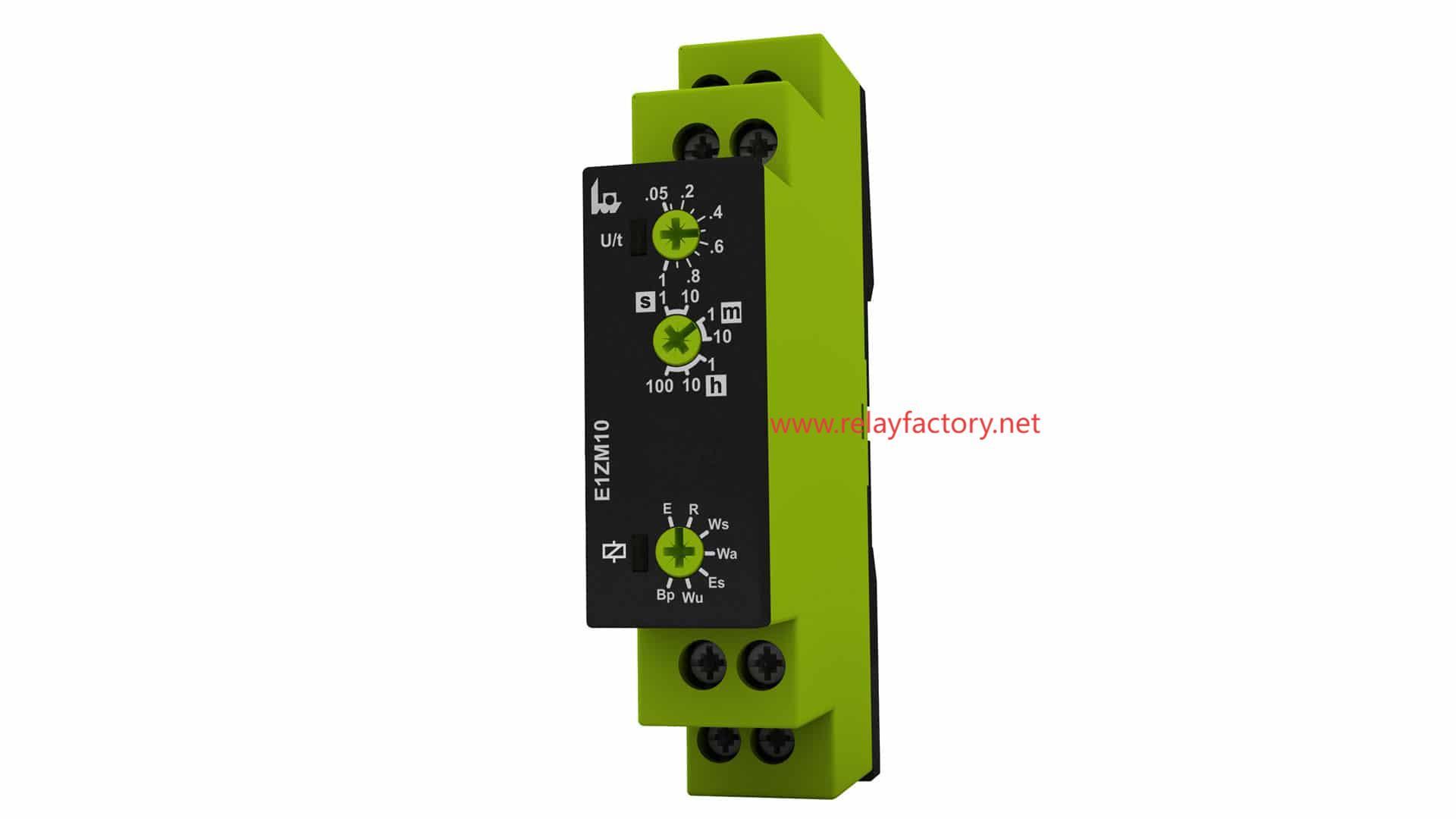
Custom Time Relay selection starts with a clear description of the equipment's operating sequence and the electrical conditions surrounding the control circuit. For panel builders, equipment manufacturers, distributors, and industrial purchasers, a suitable component must fit the intended task, available installation space, and required switching behavior. Preparing these details before contacting a supplier helps buyers evaluate product options and communicate technical expectations without unnecessary revisions.
Map Out the Control Sequence
Before comparing products, describe the event that starts the timing process and the action expected when the set period ends. A machine might need a delayed start, a timed shutdown, or a pause between two operating stages. Each requirement can call for a different timing function.
Write the sequence in plain language and include the expected state of the output contacts at each stage. If the equipment has several operating steps, a simple flow diagram can make the sequence easier to discuss.
Buyers should also explain whether the timer starts when power is applied or when an external signal is received. Clarifying this distinction early helps narrow the available configurations and reduces the chance of selecting a component with unsuitable operating behavior.
Confirm Electrical Compatibility
The component must match the electrical arrangement of the equipment. Check the required supply voltage, AC or DC operation, and any frequency requirements specified for the installation.
Next, examine the output contact arrangement and switching ratings. The voltage supplying the timer is not necessarily the same as the voltage controlled by its contacts. Buyers should therefore identify both circuits when preparing a specification.
The connected load also matters. A small indicator circuit places different demands on switching contacts than a coil or another inductive load. Provide the load type and relevant electrical details so the supplier can assess the proposed configuration against the intended use.
For equipment with substantial loads, ask whether the control design should use an intermediary switching device rather than connecting the load directly to the timer contacts.
Select a Practical Adjustment Range
Timing requirements should be defined before choosing the adjustment range. Identify the usual delay, any expected variation during operation, and the level of adjustment needed during commissioning.
Consider how operators will set the interval. A rotary dial may suit equipment with straightforward settings, while a digital interface may be useful when clearer numerical adjustment is needed. The available interface should fit the working environment and the user's operating process.
Ask for information about setting increments, timing tolerance, and repeatability. These details can matter when several machines need coordinated sequences or when a production process depends on a consistent interval.
Avoid choosing a range based only on its maximum value. A suitable range should support the actual operating settings and provide practical adjustment for the equipment.
Plan the Installation Before Ordering
A component that meets the electrical requirements may still create installation problems if its dimensions or terminals do not match the control panel.
Confirm the mounting method, overall dimensions, terminal positions, wiring access, and any required socket or accessory. Request a dimensional drawing when the device must fit into an existing assembly.
For replacement projects, collect the current model information and take note of the available mounting space. Compare the wiring arrangement carefully rather than assuming that similar-looking products share the same terminal layout.
These checks can help purchasers plan panel layouts, estimate assembly work, and identify additional materials before the order reaches the installation stage.
Consider the Working Environment
The installation environment can affect product suitability. Review the expected temperature, humidity, vibration, dust exposure, and enclosure conditions. The chosen component should operate within the limits stated in its product documentation.
Buyers should also consider how often the equipment will cycle and whether routine inspection or replacement access is required. A component installed inside a crowded cabinet may need different maintenance planning from one positioned in an accessible control enclosure.
Share these conditions with the supplier before finalizing the specification. If a project requires particular compliance documents, confirm which documents are available for the exact model and intended market.
Ask About Inspection and Order Requirements
Manufacturing and purchasing expectations should be agreed upon before a large order is released. Ask what checks are performed during assembly and final inspection, and whether the supplier can provide relevant test records or product documentation.
For sample evaluation, prepare a list of acceptance criteria covering the required function, electrical compatibility, terminal arrangement, labeling, and physical dimensions. Record any approved changes before moving to bulk production.
Commercial details also deserve attention. Confirm the minimum order quantity, sample availability, production schedule, packaging method, shipping arrangements, and payment terms. Written specifications help keep technical and commercial discussions aligned throughout the purchasing process.
Prepare a Clear Request for Quotation
A useful inquiry should identify the application, timing sequence, supply voltage, output requirements, adjustment range, mounting method, order quantity, and delivery destination. Add drawings or photographs of the existing equipment when they clarify the installation.For buyers comparing product options, relayfactory provides a starting point for discussing component requirements and available configurations. Visit https://www.relayfactory.net/ to review the company website and submit an inquiry about product specifications, sample arrangements, customization requirements, and order planning for your application.

 English
 Arabic
 Spanish
 Portuguese
 Deutsch
 Turkish
 Dutch
 Italiano
 Russian
 Romaian
 Portuguese (Brazil)
 Greek
