


Nutrition Affect Your Hormones
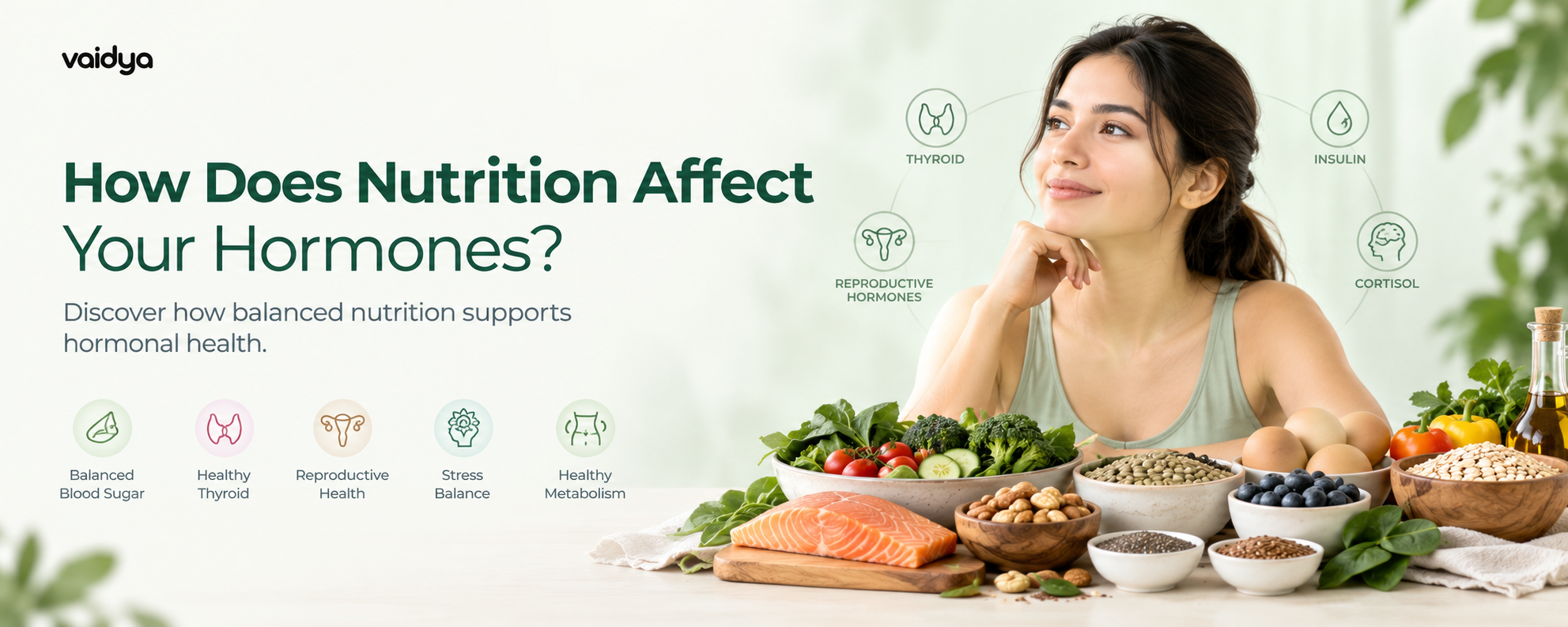
Your hormones influence many everyday functions, from energy levels and appetite to sleep, metabolism, and reproductive health. Although hormonal changes are a normal part of life, certain medical conditions can interfere with how these chemical messengers work.
But can the foods you eat influence your hormones?
Yes, nutrition affects hormone production, signalling, and metabolism. Your body requires sufficient energy, protein, fats, vitamins, and minerals to support normal endocrine function. However, diet is only one factor influencing hormonal health, and no individual food can automatically correct a hormonal disorder.
Understanding this connection can help you make informed nutritional choices without following restrictive diets or unproven wellness trends.
What Are Hormones and Why Do They Matter?
Hormones are chemical messengers produced by glands and tissues throughout the body. They travel through the bloodstream or act locally to help coordinate physiological processes.
Important hormones include:
-
Insulin: Helps regulate blood glucose.
-
Thyroid hormones: Influence metabolism and energy use.
-
Oestrogen and progesterone: Participate in reproductive and menstrual processes.
-
Cortisol: Helps regulate the body's response to stress.
-
Leptin and ghrelin: Contribute to appetite and energy regulation.
Hormone levels naturally change throughout the day and across different life stages. These fluctuations do not necessarily indicate a hormonal imbalance.
6 Ways Nutrition Can Affect Your Hormones
1. Carbohydrates Influence Insulin Responses
When you eat carbohydrate-containing foods, your digestive system breaks many of them down into glucose.
Insulin helps cells take up glucose and regulates blood sugar levels.
Carbohydrate quality matters. Whole grains, legumes, vegetables, and other fibre-rich foods generally provide more nutritional value than highly refined alternatives.
However, carbohydrates are not inherently harmful, and eliminating them is not necessary for normal hormone function.
2. Dietary Fats Support Hormone Production
Cholesterol is a building block for steroid hormones, including oestrogen, progesterone, and cortisol.
The body can produce cholesterol, so eating more cholesterol does not automatically increase these hormone levels.
Healthy dietary fats also support cell membranes and the absorption of fat-soluble vitamins.
Food sources: Nuts, seeds, olive oil, and fatty fish.
Replacing some saturated fats with unsaturated fats can support cardiovascular health as part of an overall balanced diet.
3. Protein Supports Normal Endocrine Function
Protein provides amino acids used to build enzymes, receptors, and certain peptide hormones.
Adequate protein also supports muscle maintenance and tissue repair.
Food sources: Lentils, beans, eggs, dairy products, tofu, soybeans, fish, and lean meat.
Most people can meet their protein requirements through a varied diet. Excessive protein intake has not been proven to correct hormonal disorders.
4. Iodine Supports Thyroid Hormone Production
Iodine is essential for producing thyroid hormones, which help regulate metabolism.
Insufficient iodine intake can contribute to hypothyroidism and goitre.
Food sources: Iodised salt, dairy products, eggs, and seafood.
However, excessive iodine may also worsen thyroid dysfunction in susceptible individuals. High-dose iodine supplements should not be taken without medical guidance.
5. Adequate Energy Intake Supports Reproductive Hormones
Consistently eating too little, particularly when combined with intense physical activity, can interfere with the hormonal signals controlling menstruation.
Low energy availability may contribute to irregular or absent periods and impaired bone health.
This is one reason extreme dieting and prolonged calorie restriction can be harmful.
Meeting nutritional needs through regular, balanced meals is important for normal reproductive function.
6. Fibre Contributes to Metabolic Health
Dietary fibre supports digestive function and can influence glucose absorption, cholesterol metabolism, and gut microbial activity.
These processes are relevant to overall metabolic health, including insulin regulation.
Food sources: Whole grains, vegetables, fruits, legumes, nuts, and seeds.
Although fibre-rich diets are beneficial, increasing fibre alone cannot treat conditions such as polycystic ovary syndrome (PCOS) or diabetes.
Can Poor Nutrition Cause Hormonal Imbalance?
Certain nutritional deficiencies and prolonged undernutrition can affect endocrine function.
For example, iodine deficiency can interfere with thyroid hormone production, while severe energy restriction can disrupt reproductive hormone signalling.
However, hormonal disorders have many possible causes.
PCOS involves complex reproductive and metabolic factors. Thyroid disorders may be autoimmune, and changes in cortisol can reflect medical conditions rather than dietary habits.
Symptoms such as persistent fatigue, unexplained weight changes, irregular periods, or excessive hair growth should be assessed medically rather than attributed to a single nutrient deficiency.
Best Foods to Support Normal Hormonal Function
A balanced dietary pattern is generally more useful than a specialised “hormone-balancing” diet.
Consider including:
-
Whole grains: Oats, brown rice, and whole-wheat roti.
-
Protein-rich foods: Dal, paneer, tofu, eggs, and legumes.
-
Vegetables and fruits: Provide fibre, vitamins, and minerals.
-
Healthy fats: Nuts, seeds, and unsaturated oils.
-
Iodine-containing foods: Help meet normal iodine requirements.
-
Calcium-rich foods: Support bone health, particularly during hormonal transitions.
Regular meals and adequate overall energy intake are especially important for people with demanding activity levels.
Can Multivitamins Help Balance Hormones?
Supplements may help correct specific nutritional deficiencies, but they are not universal treatments for hormonal problems.
A multivitamin may be appropriate when dietary intake is insufficient, depending on individual needs.
Similarly, a multivitamin for women may provide selected micronutrients, but it cannot replace medical treatment for PCOS, thyroid disease, or other endocrine disorders.
High-dose supplements can also cause adverse effects or interact with medications.
Everyday Habits That Support Hormonal Health
Nutrition works alongside other important lifestyle factors.
-
Maintain consistent, adequate meals rather than following extreme diets.
-
Engage in regular physical activity.
-
Get sufficient sleep.
-
Manage ongoing stress through sustainable routines.
-
Avoid smoking and limit alcohol.
-
Seek professional advice for persistent or unusual symptoms.
There is no need to pursue perfectly “balanced” hormone levels through supplements or restrictive food rules. Hormonal variation is often a normal part of healthy physiology.
Final Thoughts
Nutrition affects hormone production, signalling, and metabolism through several interconnected processes.
Adequate energy, protein, healthy fats, fibre, and essential micronutrients support normal endocrine function, but food alone cannot prevent or cure every hormonal condition.
At Vaidya, we encourage informed nutritional choices based on evidence and individual needs.
Supporting hormonal health begins with balanced nutrition, sustainable habits, and appropriate medical care when necessary.

 English
 Arabic
 French
 Spanish
 Portuguese
 Turkish
 Dutch
 Italiano
 Russian
 Romaian
 Portuguese (Brazil)
 Greek
