


FUE Hair Transplant for Natural-Looking Hair Growth
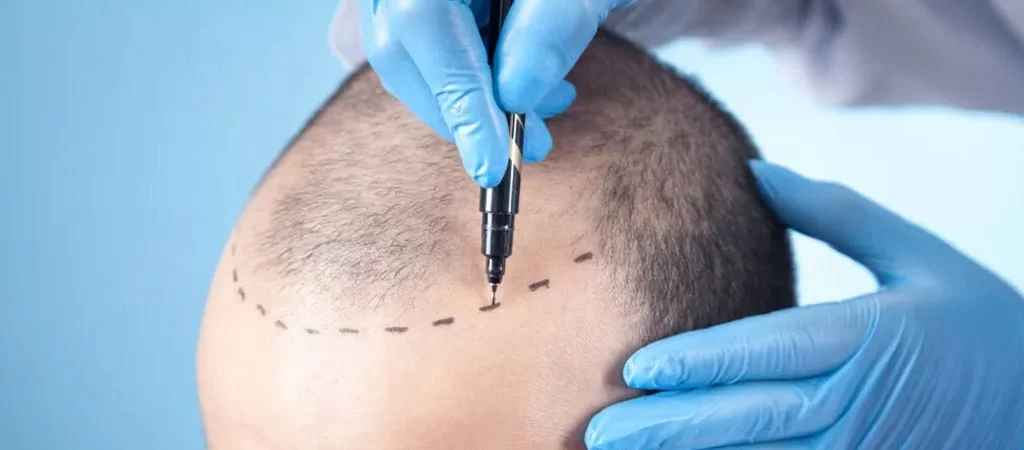
Hair loss can change the appearance of the hairline, reduce hair density, and affect personal confidence. For people seeking a long-term hair restoration option, Follicular Unit Extraction (FUE) offers a modern technique designed to redistribute healthy hair follicles to areas affected by thinning or baldness. With careful planning and appropriate medical care, the procedure can help create a balanced, natural-looking appearance.
FUE Hair Transplant in Islamabad is an option for individuals who want to explore professional hair restoration tailored to their needs. Understanding how the procedure works, what influences natural-looking results, and how to care for the scalp afterward can help patients make informed decisions.
What Is an FUE Hair Transplant?
Follicular Unit Extraction, commonly called FUE, is a hair transplantation technique in which individual follicular units are extracted from a donor area, usually the back or sides of the scalp. These follicles are then implanted into areas where hair growth has decreased.
Unlike strip-based hair transplantation, FUE does not involve removing a long strip of scalp tissue. Instead, it creates small extraction sites that generally heal over time. Tiny scars may remain, but they are often less noticeable when the procedure is performed appropriately.
The main goal is to distribute the available follicles carefully so that the transplanted hair complements the patient's existing hair and facial features.
How FUE Creates Natural-Looking Hair Growth
Natural-looking results depend on several factors, including hairline design, follicle placement, graft survival, and the patient's natural hair characteristics.
Personalized Hairline Design
The hairline is an important feature of overall facial appearance. A qualified specialist considers facial proportions, age, existing hair growth, and the likely progression of hair loss before designing a hairline.
Rather than creating an excessively low or artificial-looking hairline, the treatment plan should aim for a design that suits the individual and remains appropriate as they age.
Careful Graft Placement
Hair follicles grow at specific angles and directions. During transplantation, the specialist places grafts according to the natural growth pattern of the surrounding hair. Appropriate placement helps the transplanted hair blend more naturally with existing strands.
Balanced Hair Density
The number of grafts required depends on the size of the treatment area, donor hair availability, hair thickness, and desired coverage. Although a transplant may improve density, it cannot always reproduce the fullness of naturally growing hair.
A realistic treatment plan focuses on achieving the best possible coverage while protecting the donor area for future needs.
Benefits of FUE Hair Transplant
FUE offers several potential advantages for suitable candidates.
-
Individual follicle extraction: Each follicular unit is removed separately.
-
No long linear scar: The procedure avoids the long incision associated with strip harvesting, although small scars can occur.
-
Personalized restoration: Graft placement can be tailored to specific thinning areas.
-
Potentially long-lasting growth: Successfully transplanted follicles can continue producing hair for many years.
-
Gradual cosmetic improvement: Results develop over time rather than appearing immediately.
The suitability and effectiveness of these benefits vary depending on the patient's condition, donor hair quality, and treatment plan.
Who Can Benefit from FUE Hair Transplant?
FUE may be appropriate for adults experiencing pattern hair loss, a receding hairline, or selected areas of reduced hair density. Candidates generally need sufficient healthy donor hair and realistic expectations about the coverage that can be achieved.
Before recommending treatment, a specialist assesses the scalp, medical history, pattern of hair loss, and potential causes of thinning. Some patients may benefit from medical management before undergoing transplantation.
People experiencing sudden hair loss, active scalp disease, or insufficient donor hair may require additional evaluation. A consultation helps determine whether FUE is appropriate or whether another treatment would be more suitable.
What Happens During the Procedure?
The process usually begins with a detailed consultation and treatment plan. The specialist identifies the donor area, estimates the number of grafts, and discusses the intended hairline and coverage.
On the day of treatment, local anesthesia is generally administered to minimize discomfort. Individual follicles are extracted using specialized instruments. The recipient area is then prepared, and the grafts are placed carefully according to the planned direction and distribution.
The procedure may take several hours, depending on the number of grafts and the complexity of the treatment. Patients receive aftercare instructions before leaving the clinic.
Recovery and Hair Growth Timeline
Recovery after FUE varies between individuals. Temporary redness, swelling, tenderness, and small scabs may develop around the treated areas. These effects generally improve during the initial healing period.
Patients should follow their specialist's guidance about washing the scalp, sleeping positions, exercise, and medication. Scratching or rubbing the transplanted area should be avoided while it heals.
Transplanted hairs commonly shed during the first few weeks. This is often a normal part of the hair growth cycle. New growth usually begins over the following months, with visible improvement developing gradually. Final results may take around 12 months or longer.
Regular follow-up appointments help the specialist monitor healing and assess progress.
Choosing FUE Hair Transplant in Islamabad
When researching FUE Hair Transplant in Islamabad, it is important to evaluate the qualifications and experience of the medical professional performing the procedure. A suitable provider should offer an appropriate clinical environment, transparent pricing, individualized planning, and clear aftercare guidance.
Ask about the expected number of grafts, potential scarring, possible complications, and how future hair loss may affect the results. Reviewing genuine before-and-after photographs can help you understand a provider's work, although another patient's outcome cannot guarantee your own results.
Avoid making a decision based solely on promotional claims. Responsible treatment planning includes an honest discussion of limitations as well as benefits.
Maintaining Natural-Looking Results
Long-term results depend on both the transplanted follicles and the condition of the remaining natural hair. A specialist may recommend suitable treatments to help manage ongoing hair loss, depending on the patient's needs.
Maintaining scalp health, following medical advice, attending follow-up visits, and avoiding unapproved products can support the overall treatment plan. Patients should also understand that additional procedures may sometimes be considered if hair loss progresses.
Conclusion
FUE hair transplantation provides a modern option for people who want to improve hair coverage and achieve natural-looking growth. Careful hairline design, precise graft placement, sufficient donor hair, and appropriate aftercare all contribute to the potential outcome.
If you are considering FUE Hair Transplant in Islamabad, consult a qualified hair restoration specialist to discuss your suitability, expected results, recovery requirements, and potential risks. An individualized plan and realistic expectations can help you make a confident, informed decision.
Frequently Asked Questions (FAQs)
1. What makes FUE Hair Transplant in Islamabad suitable for natural-looking hair growth?
FUE allows individual follicles to be placed according to the patient's natural hairline, growth direction, and coverage needs. Results depend on planning, graft survival, and individual characteristics.
2. How long does it take to see results after FUE hair transplantation?
New hair growth often begins after a few months. Noticeable improvement develops gradually, and final results may take around 12 months or longer.
3. Is FUE Hair Transplant in Islamabad a permanent solution for hair loss?
Transplanted follicles can provide long-lasting growth, but natural hair loss may continue in untreated areas. A specialist can discuss long-term management options.
4. How can I prepare for FUE Hair Transplant in Islamabad?
Attend a consultation, share your medical history and medications, follow your specialist's preoperative instructions, and discuss recovery expectations before the procedure.
For more information visit
Enfield royal clinic in islamabad

 English
 Arabic
 French
 Spanish
 Portuguese
 Deutsch
 Dutch
 Italiano
 Russian
 Romaian
 Portuguese (Brazil)
 Greek
