


Improving Pond Management Through Suitable Aeration Equipment
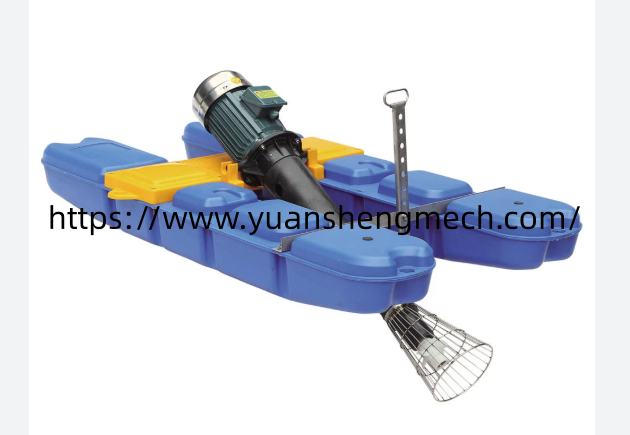
Managing a pond involves balancing water movement, oxygen availability, and the practical needs of daily aquaculture operations. When evaluating a Float Type Aerator, farmers should look beyond the floating structure and consider how the equipment interacts with the water, surrounding environment, and overall management system. Floating aerators can support oxygen transfer and circulation in suitable applications, but their usefulness depends on pond conditions, equipment placement, and the needs of the aquatic species being raised. A thoughtful selection process helps buyers match the equipment to the working environment instead of relying on appearance or general product descriptions alone.
Material selection deserves particular attention because floating equipment operates in continuous contact with moisture and may encounter algae, organic deposits, changing weather, and other environmental influences. Structural components need to support the machine while remaining suitable for outdoor use. Metal parts may provide rigidity, while protective coatings or corrosion-resistant materials can help address exposure to water and humid air. Floating components must maintain buoyancy and remain compatible with the operating environment. Buyers should also consider the materials used for fasteners, seals, connectors, and protective covers, since these smaller elements contribute to the condition of the complete assembly. Asking suppliers about cleaning procedures, surface protection, and replacement-part availability can make material comparisons more meaningful.
Choosing an appropriate unit starts with the water body rather than the product catalogue. Pond shape, depth, bank conditions, water-level changes, and access for installation can all influence the preferred arrangement. Farmers should also consider the species being cultivated, stocking practices, feeding routines, and existing water circulation. A floating design may be useful where water levels vary or where a fixed installation is less convenient, but the suitability of the equipment still depends on its intended operating conditions. Buyers should explain the pond layout and daily management routine to the supplier, including whether the aerator will operate alongside other circulation or oxygenation equipment. This context helps clarify which design features deserve the most attention.
The operating principle of floating aeration equipment is closely connected to the movement of water at or near the surface. Depending on the design, the unit may draw water through an intake, move it through a pump assembly, or distribute it back into the pond to encourage circulation and contact with air. The floating structure helps position the working components relative to the water surface. This arrangement can make the equipment adaptable to certain pond environments, although performance still depends on the system design and placement. Buyers should distinguish between equipment intended mainly to circulate water and designs intended to provide a particular aeration effect. Understanding this difference helps prevent unrealistic expectations about what a single machine can achieve.
Mechanical reliability depends on how the motor, pump components, shaft, seals, and supporting structure work together. Components exposed to water require appropriate protection, while moving parts need to be suitable for the intended operating conditions. Buyers can ask manufacturers how the equipment should be installed, what operating practices are recommended, and which components require routine inspection. The relationship between the intake and the surrounding water also matters. Accumulated debris, aquatic plants, or sediment may interfere with operation if the equipment is placed without considering local conditions. Keeping the intake area clear and following the manufacturer's guidance can help operators maintain the intended working arrangement.
From a user's perspective, convenient installation and straightforward maintenance can be as important as the aeration mechanism itself. Floating equipment may offer flexibility when a pond layout changes or when operators need to reposition machinery for maintenance. However, movement should be planned carefully so that power connections, anchoring arrangements, and surrounding structures remain safe and suitable. Operators should be able to inspect visible components, identify unusual vibration or noise, and access the equipment for cleaning without unnecessary difficulty. Clear operating instructions are particularly useful for farms where several people share equipment-related responsibilities. A practical maintenance routine should reflect the actual water conditions and the manufacturer's recommendations.
The design and appearance of a floating aerator also influence its day-to-day usability. A stable floating body helps support the working assembly, while a well-arranged frame can keep components organized and accessible. Protective covers can help shield selected parts from environmental exposure, and accessible connection points can simplify installation and inspection. The shape and placement of the floating structure should suit the intended pond conditions rather than simply follow a particular visual style. Buyers should also consider how the unit will be transported, launched, secured, and retrieved when servicing is required. These details can affect handling convenience and the way the equipment fits into an existing aquaculture site.
Taizhou Yuansheng Aquacul Ture Machinery Co., Ltd. manufactures floating aerators and other aquaculture machinery for applications that include fish pond oxygenation and water management. Buyers comparing available options can review the company's product range and discuss their pond conditions, preferred installation arrangement, maintenance needs, and intended use before choosing a suitable design. For further product information, visit https://www.yuanshengmech.com/.

 English
 Arabic
 Spanish
 Portuguese
 Deutsch
 Turkish
 Dutch
 Italiano
 Russian
 Romaian
 Portuguese (Brazil)
 Greek
