


Which Quality Details Should Buyers Discuss With bluefirecans?
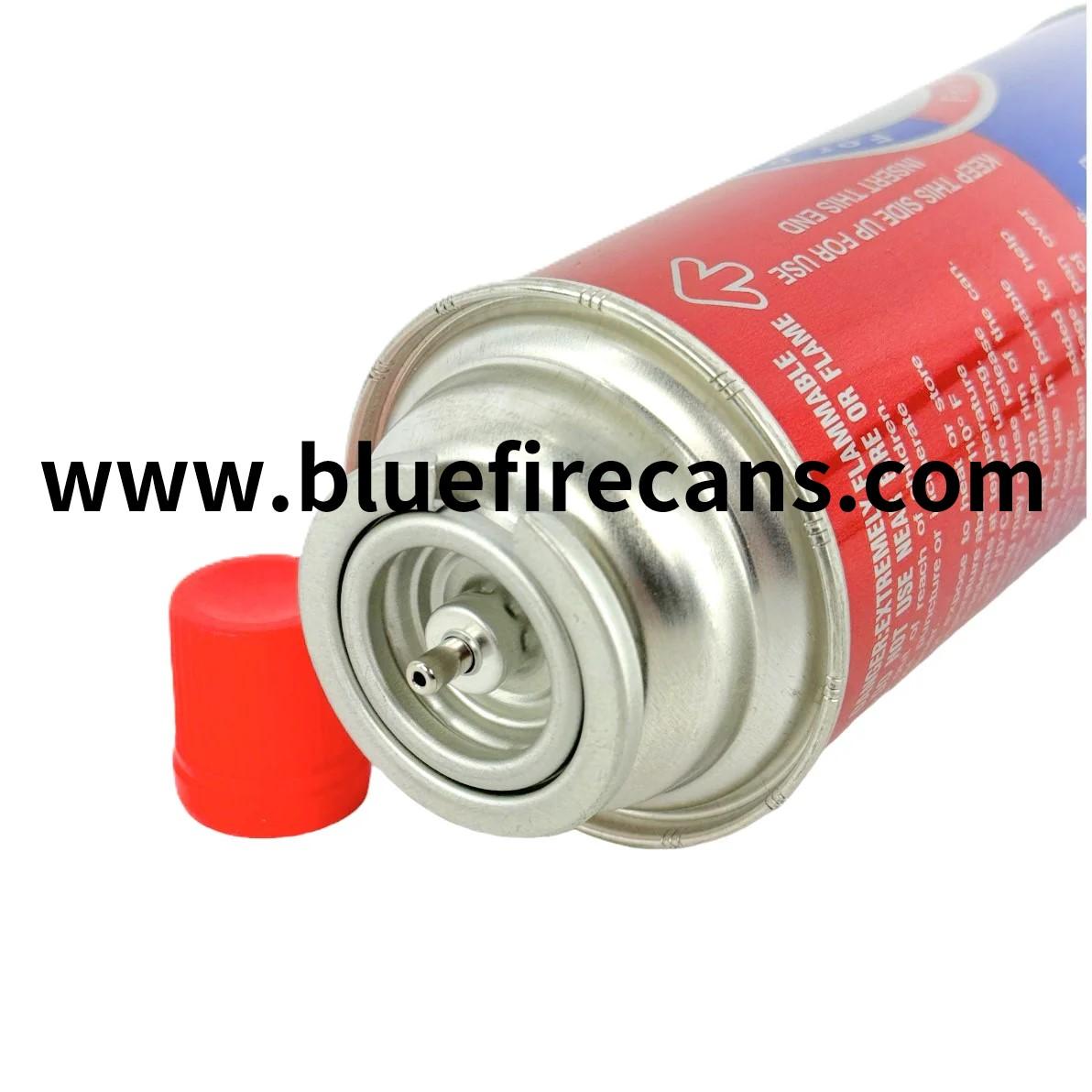
Butane Gas Cartridge selection requires careful consideration of container specifications, intended applications, valve compatibility, packaging, and applicable safety requirements. For importers, distributors, and equipment manufacturers, these factors influence purchasing decisions, inventory planning, and product suitability. A structured review before ordering helps buyers communicate their requirements clearly and assess whether a proposed product fits their commercial objectives.
Does the Product Suit Your Intended Application?
Before requesting a quotation, identify the equipment that will use the container and the connection system it requires. Portable cooking appliances, camping stoves, handheld torches, and other fuel-powered devices may need different container formats and interfaces.
Collect the appliance model, connection type, required fuel specification, and relevant instructions from the equipment manufacturer. Similar dimensions do not guarantee compatibility, so buyers should verify the exact requirements before approving a selection.
For wholesale purchases, consider the intended sales channel as well. Outdoor equipment retailers may require different packaging formats from commercial distributors or private-label brands. Sharing these details at the beginning helps the supplier understand the application and discuss appropriate product options.
Which Specifications Should Buyers Compare?
A general product description does not provide enough information for a detailed purchasing decision. Request a technical datasheet identifying the available dimensions, nominal filling quantity, valve configuration, container material, and packaging format.
Important items to review include:
Container dimensions: Check the height, diameter, and connection area against the intended appliance.
Fuel composition: Confirm the specified formulation and its suitability for the intended application.
Net filling quantity: Verify the stated contents and required labeling information.
Valve design: Identify the connection type and confirm compatibility with the equipment.
Packaging format: Review protective caps, carton arrangements, labels, and handling instructions.
Product identification: Check batch codes and other information needed for traceability.
Document these details instead of relying on informal descriptions. A consistent specification sheet also makes it easier to compare quotations from different suppliers without overlooking important differences between models.
How Can Buyers Review Construction and Safety?
Container integrity and valve performance deserve particular attention because the product holds pressurized, flammable fuel. Buyers should ask about inspection procedures and the records available for the specific model under consideration.
Depending on the design and destination market, relevant checks may cover seam integrity, valve installation, leakage, pressure resistance, and external appearance. Request applicable test documentation and verify that it corresponds to the product being quoted.
Instructions and warnings should also be reviewed before approval. Labels need to communicate relevant handling, storage, and use requirements clearly. Applicable standards and conformity documents should be checked against the target market instead of assuming that one set of requirements applies everywhere.
These discussions help purchasing teams establish expectations before production and shipment. They also provide a documented basis for internal quality reviews and supplier communication.
What Packaging and Labeling Details Matter?
Packaging affects how products are identified, handled, stored, and distributed. Before ordering, discuss carton dimensions, quantities per carton, protective measures, label artwork, and any retailer-specific requirements.
For cross-border shipments, packaging and transport documentation require additional attention. Pressurized flammable products may be subject to dangerous-goods rules that vary according to classification, destination, and transport method. Buyers should confirm the applicable arrangements with qualified logistics providers and relevant authorities.
Labels must match the actual contents and required product information. If private-label packaging is needed, provide approved artwork and agree on the review process before production begins.
For distributors handling several product variants, consistent identification can also help warehouse staff distinguish models and reduce picking errors during order fulfillment.
How Should Buyers Evaluate a Manufacturer?
Supplier evaluation should cover production capabilities, communication, inspection arrangements, documentation, and order coordination. Ask whether the supplier can provide the requested specifications and explain the procedures used to inspect finished products.
Sample evaluation can help buyers check dimensions, packaging, markings, and compatibility information before approving a larger purchase. Any testing involving flammable contents should follow appropriate professional procedures and applicable safety requirements.
Discuss minimum order quantities, production schedules, payment terms, and procedures for handling specification changes. Written confirmation makes expectations easier to track throughout the purchasing process.
A manufacturer that communicates product details clearly gives buyers useful information for comparing options and planning future procurement. Buyers should evaluate the available evidence against their technical, commercial, and regulatory requirements.
What Should Be Confirmed Before Bulk Ordering?
Before approving a purchase, review the quotation, technical specifications, approved packaging artwork, inspection expectations, order quantity, and delivery arrangements together. Confirm that all documents refer to the same model and configuration.
Establish how production changes will be communicated and how batch information will be recorded. For repeat purchases, retaining approved samples, drawings, and order records can help purchasing teams identify the correct version.
These practices support communication among suppliers, importers, warehouse teams, and sales departments. They also make it easier to investigate discrepancies if delivered products differ from the agreed specifications.For businesses sourcing fuel containers for distribution or equipment applications, bluefirecans provides a starting point for discussing product specifications and purchasing needs. Visit https://www.bluefirecans.com/ to review the available product range and prepare an inquiry based on your target application, packaging preferences, and order requirements.

 English
 Arabic
 Spanish
 Portuguese
 Deutsch
 Turkish
 Dutch
 Italiano
 Russian
 Romaian
 Portuguese (Brazil)
 Greek
