


What Should Buyers Check in Rockv Cast Steel Gate Valve for Power Plant
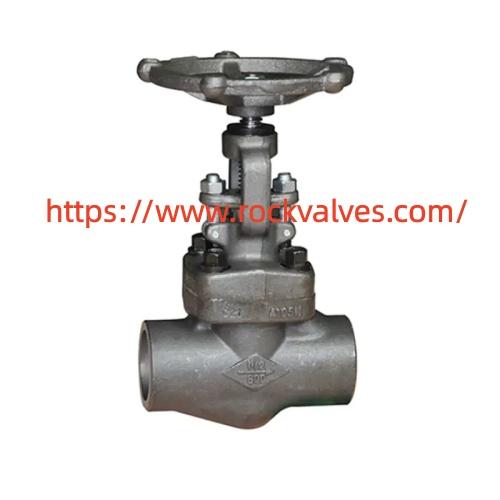
Cast Steel Gate Valve for Power Plant applications must be selected according to the operating conditions, piping design, and maintenance requirements of each project. For buyers, the purchasing process involves more than confirming valve size and quantity. Pressure ratings, material grades, temperature limits, connection dimensions, inspection records, and operating methods all influence whether a proposed product fits the intended service. A structured review before ordering can help reduce specification errors and make communication between manufacturers, engineers, and procurement teams more efficient.
One of the first checks is the working pressure and temperature range. Power generation facilities contain different piping systems, including steam lines, feedwater circuits, cooling water networks, and auxiliary services. Each system may have different operating conditions, so a valve intended for one application should not automatically be assumed suitable for another. Buyers should compare the required pressure and temperature with the applicable rating tables for the selected material and design standard. Startup conditions, shutdown cycles, and possible pressure fluctuations should also be included in the engineering review.
Material selection is another important part of the specification. Carbon steel castings are used in many industrial services, while alloy steel grades may be specified for applications involving elevated temperatures or particular mechanical requirements. The correct choice depends on the actual service conditions and the relevant engineering codes. Buyers should review the specified material for the body, bonnet, stem, gate, and seating surfaces. They should also confirm whether the supplier can provide material certificates and traceability documents for the components included in the order.
The internal construction deserves attention as well. Gate valves are generally intended for isolation, allowing the pipeline to remain open or closed as required. They are not normally selected for continuous flow throttling because partially open operation can expose seating surfaces to high velocity flow and wear. Buyers should clarify the expected operating position, frequency of operation, and required shutoff performance. Wedge design, seat construction, stem arrangement, and bonnet configuration should be reviewed against the application and maintenance plan.
Connection dimensions can affect installation and project schedules. Depending on the piping design, the valve may require flanged ends or butt weld ends. The selected connection must match the approved drawings, pipe dimensions, pressure class, and applicable standards. Buyers should verify face to face dimensions, end preparation where relevant, and the space available for installation and servicing. If the valve will be operated manually or through an actuator, the surrounding layout should provide suitable clearance for operation and inspection.
Quality assurance is another area that procurement teams should address before placing an order. Depending on project requirements, inspection activities may include casting examination, dimensional checks, material verification, and pressure testing. Buyers should identify the applicable design and testing standards in the purchase specification instead of assuming that all suppliers follow identical procedures. It is also useful to agree on the documentation package before production begins. Drawings, inspection records, material certificates, and test reports can help the receiving team confirm that the delivered equipment matches the approved requirements.
Operating conditions and maintenance access should be considered together. High temperature service can affect packing, seating components, and other internal parts over time. Facilities should establish inspection procedures based on operating conditions, manufacturer recommendations, and site maintenance rules. Buyers can ask which replacement components are available, how servicing is performed, and what information will be supplied to maintenance personnel. Planning these details early can help the plant prepare for routine servicing and manage spare parts more effectively.
Supplier evaluation should include technical communication and manufacturing processes as well as price and delivery. A clear quotation should identify the proposed model, material grade, pressure class, connection type, applicable standards, testing scope, and delivery documentation. Any deviation from the project specification should be discussed before the order is approved. This approach gives engineering and purchasing teams a consistent basis for comparing proposals and clarifying responsibilities.
Rockv offers industrial valve products for power generation and other process applications. When preparing an inquiry, buyers should provide the service medium, design pressure, operating temperature, pipeline size, connection requirements, and relevant project standards. This information helps establish a clear technical basis for product evaluation and quotation. To review available product options and discuss your project requirements, visit https://www.rockvalves.com/product/ and explore the industrial valve solutions suited to your application.

 English
 Arabic
 French
 Spanish
 Deutsch
 Turkish
 Dutch
 Italiano
 Russian
 Romaian
 Portuguese (Brazil)
 Greek
