


How to Build a Jewelry Collection That Works for Every Occasion
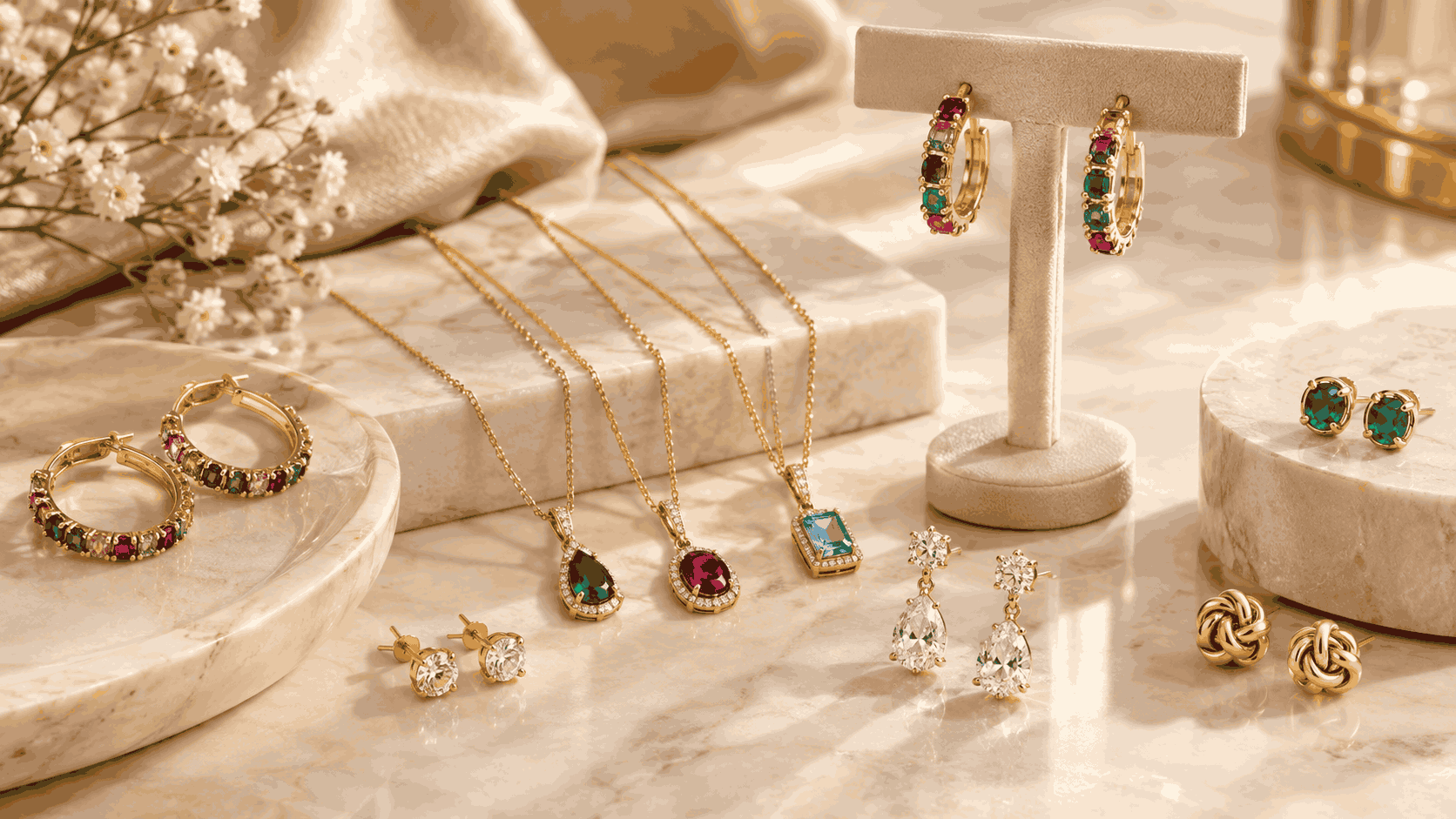
Jewelry has a unique ability to transform an outfit without requiring a complete wardrobe change. A simple necklace can bring definition to a plain T-shirt, while a thoughtfully chosen pair of earrings can make an evening outfit feel polished. The secret to wearing jewelry well is not owning the largest collection but choosing versatile pieces that complement your personal style, daily routine, and special occasions.
Building a practical jewelry collection starts with understanding how different designs work together. Delicate chains, classic studs, colorful gemstones, and elegant drop earrings each serve a purpose. When selected thoughtfully, these accessories can move effortlessly from workdays to weekend outings and formal celebrations.
Whether you are refreshing your jewelry box or choosing a meaningful gift, a few styling principles can help you get more value from every piece.
1. Start with Jewelry Essentials You Can Wear Every Day
The most useful jewelry collections begin with pieces that are comfortable, adaptable, and easy to coordinate. Rather than following every passing trend, focus on designs that suit your lifestyle and can be worn with several outfits.
Choose a Necklace That Complements Your Neckline
Gold pendant necklaces are versatile additions to an everyday wardrobe because their simple silhouettes can work with casual and dressier clothing. A small pendant looks understated with a crew-neck top, while a longer chain can complement a V-neck blouse or an open shirt.
When choosing a necklace, consider its length, pendant size, and the necklines you wear most often. Shorter chains tend to sit closer to the collarbone, whereas longer styles can add visual length to an outfit.
If you enjoy layering, combine two or three necklaces with different chain lengths. Keeping the pendants relatively simple helps prevent the layers from competing for attention. For a balanced finish, leave enough space between the chains so their shapes remain visible.
Keep Classic Earrings Within Reach
A reliable pair of gold stud earrings is another everyday essential. Their compact design makes them suitable for many settings, from office meetings to relaxed lunches and family gatherings.
Studs also work well when other accessories are more prominent. If you are wearing a patterned blouse, a bold necklace, or a detailed neckline, understated earrings can maintain balance without making the overall look feel crowded.
The best everyday jewelry is jewelry you genuinely enjoy wearing. Consider comfort, fastening style, and how securely each piece sits before making it a regular part of your routine.
2. Use Color and Texture to Give Simple Outfits More Personality
Neutral clothing offers an excellent foundation for experimenting with jewelry. White shirts, black dresses, denim, and beige knitwear provide a relatively simple backdrop for accessories with interesting colors, shapes, and finishes.
Gemstones are particularly useful when an outfit needs a little more character. Gemstone hoop earrings combine the familiar shape of a hoop with the color and visual texture of decorative stones. Depending on their design, they can add a subtle accent to everyday clothing or become the focal point of a more expressive look.
To style colorful earrings effectively, choose one or two colors that complement your outfit rather than trying to match every accessory exactly. For example, earrings featuring blue stones can work with denim, a white shirt, and neutral footwear. Warm-toned stones may pair naturally with cream, brown, olive, or rust-colored clothing.
Texture matters, too. Combining a smooth metal necklace with textured earrings can create contrast without requiring a dramatic color palette. Similarly, mixing polished and matte finishes can make a simple outfit feel more considered.
The key is intentional contrast. Jewelry should add interest to an outfit while still allowing the wearer, rather than the accessories, to remain the focus.
3. Choose Statement Pieces for Special Occasions
Special events offer an opportunity to explore more decorative jewelry. Weddings, dinners, celebrations, and formal gatherings often call for accessories that feel a little more distinctive than everyday staples.
Cubic Zirconia Drop Earri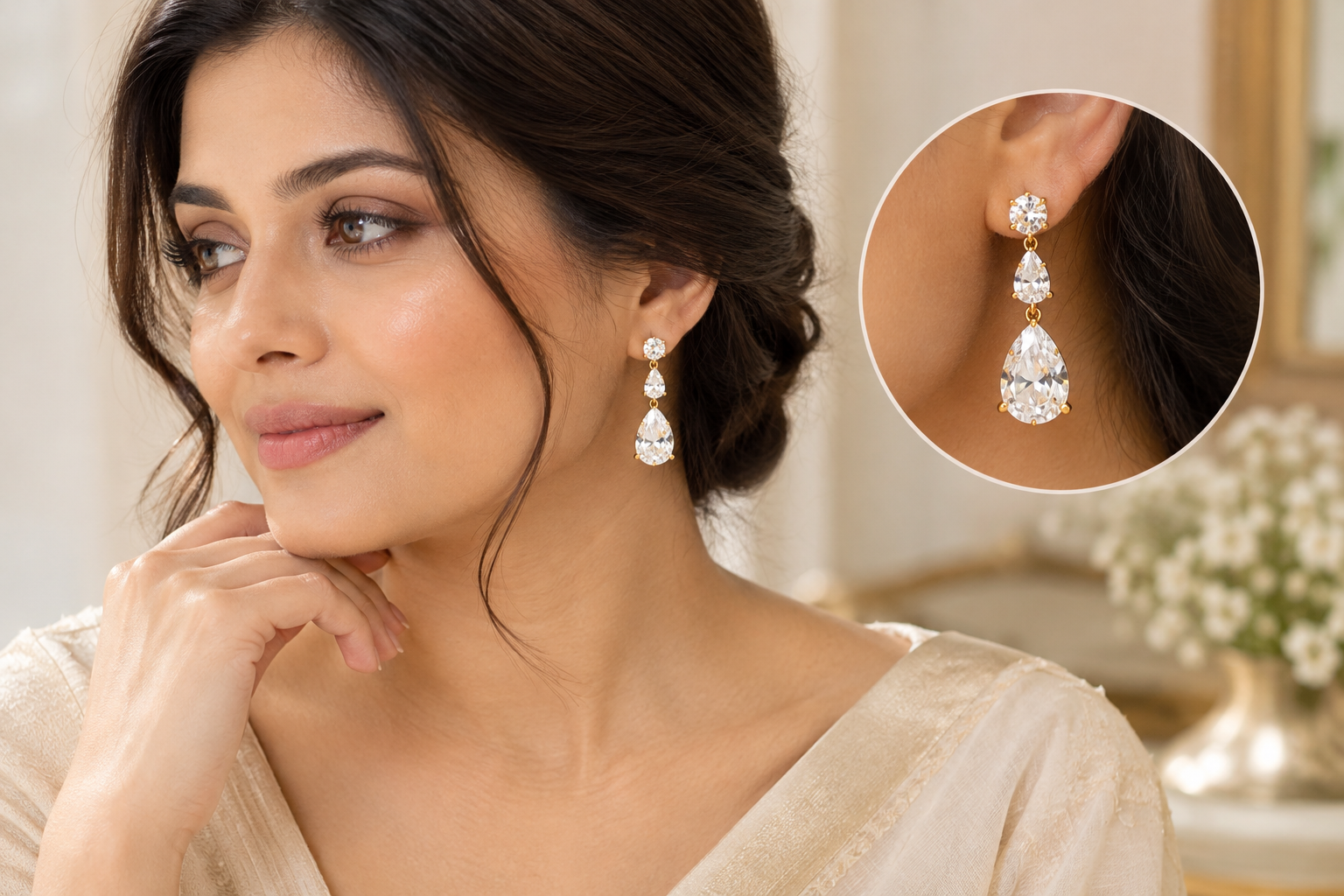 ngs can provide a polished finishing touch for evening wear. Their drop silhouette draws attention toward the face, while the stone's reflective appearance can complement the clean lines of a formal dress or tailored outfit.
For a balanced result, consider the rest of your accessories before choosing your earrings. If your earrings are long or visually prominent, a delicate chain or no necklace at all may create a more harmonious look. If you prefer a statement necklace, smaller earrings can prevent the two pieces from competing.
Your hairstyle also influences how earrings appear. Hair worn up or tucked behind the ears can highlight drop designs, while loose hair may frame the face more softly. Try your jewelry with the complete outfit before the event to see how the pieces work together under different lighting.
There is no need to reserve every decorative piece for formal occasions, however. An elegant pair of earrings can also dress up a simple blouse and trousers for a dinner out. Versatility often comes from how you style an accessory, not just the occasion for which it was designed.
4. Learn to Mix and Match Jewelry Without Overdoing It
Mixing jewelry allows you to create different looks from a relatively small collection. The challenge is finding a visual connection between pieces without making everything identical.
Start by choosing one feature to unify your accessories. This might be a similar metal tone, a repeated shape, a shared gemstone color, or a consistent level of visual detail.
For instance, a fine gold necklace can complement gold-toned studs, while a gemstone accent introduces color. Alternatively, a pair of decorative drop earrings can stand alone with a simple bracelet and an otherwise minimal outfit.
Mixing metals can also work well. Gold and silver jewelry can create an intentional contrast when the proportions are balanced. Try combining a slim gold chain with a silver ring, or wear pieces that incorporate both tones to establish a connection.
A practical styling rule is to begin with one focal point. If your earrings are bold, keep your necklace relatively understated. If layered necklaces are the highlight, choose simpler earrings and avoid adding too many competing details.
Most importantly, use these guidelines as starting points rather than strict rules. Personal style is often strongest when an outfit reflects individual preferences instead of following a formula.
5. Care for Your Jewelry to Help It Last
Even well-chosen jewelry needs regular care. Everyday exposure to perfume, cosmetics, perspiration, moisture, and household cleaning products can affect some metals, finishes, settings, and decorative stones.
A few straightforward habits can help you maintain your collection:
-
Put jewelry on last. Apply perfume, hairspray, sunscreen, and cosmetics before adding your accessories, allowing products to dry where appropriate.
-
Remove pieces when necessary. Take off jewelry before swimming, exercising, showering, or using cleaning products unless the manufacturer specifically confirms that the piece is suitable for those conditions.
-
Clean gently. Use a soft, clean cloth for routine care. Follow the manufacturer's instructions for deeper cleaning, particularly for gemstone settings, plated finishes, or delicate designs.
-
Store pieces separately. Keep necklaces untangled and earrings in separate compartments to reduce scratching and friction.
-
Check fastenings periodically. Inspect clasps, posts, and visible settings for looseness or damage. Have repairs assessed by a qualified jeweler when needed.
Avoid assuming that every piece can be cleaned with the same solution. The appropriate method depends on the material, finish, and stone, so product-specific guidance is the safest starting point.
Good storage and gentle handling are especially helpful for jewelry worn frequently, since regular contact with other objects can contribute to wear over time.
6. Make Thoughtful Jewelry Choices When Shopping or Gifting
Jewelry can be a meaningful gift because it combines personal expression with the possibility of long-term use. However, the most successful choice is not necessarily the most elaborate or expensive one. It is the piece that suits the recipient's taste and routine.
Before buying, consider whether they prefer minimalist designs, colorful accessories, classic metals, or more noticeable statement pieces. Pay attention to the jewelry they already wear, including typical earring sizes, necklace lengths, and preferred colors.
For someone who favors understated accessories, a simple pendant or pair of studs may be more useful than a dramatic design. Someone who enjoys dressing up may appreciate earrings that add sparkle to occasion wear.
Browsing collections from retailers such as Rarete Jewelry can provide a starting point for exploring different jewelry styles and considering which designs suit a particular wardrobe or gifting occasion. As with any purchase, review the available product descriptions, materials, care guidance, and return terms before deciding.
A thoughtful purchase should balance appearance with practical considerations. Choosing jewelry that the recipient can comfortably wear and easily coordinate with existing pieces often makes the gift more useful.
Conclusion: Build a Collection Around Your Personal Style
A versatile jewelry collection does not need to be extensive. A few well-chosen necklaces, dependable studs, colorful hoops, and elegant drop earrings can provide options for everyday dressing, special events, and meaningful gifts.
Focus on comfort, coordination, and quality of care rather than buying accessories simply because they are trending. Experiment with layering, introduce color when an outfit needs interest, and let statement pieces shine when the occasion calls for them.
Ultimately, the best jewelry collection is one that fits naturally into your life. When each piece reflects your preferences and works with clothing you already own, getting dressed becomes simpler—and personal style becomes easier to express.

 English
 Arabic
 French
 Portuguese
 Deutsch
 Turkish
 Dutch
Dutch
 Italiano
 Russian
 Romaian
 Portuguese (Brazil)
 Greek
Greek
