


Managing Skin Care and Pressure Injury Prevention for Ventilator-Dependent Patients
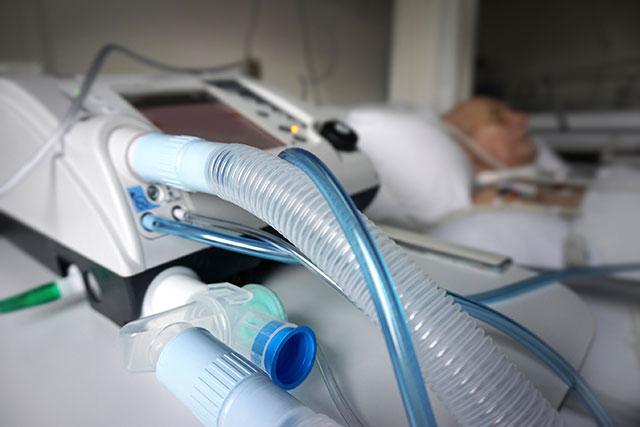
Patients who depend on mechanical ventilation often require extended periods of bed rest or limited mobility, which can increase their risk of skin irritation and pressure injuries. Ventilator Care At Home In Dubai can help patients receive personalized support in a familiar environment, including assistance with daily hygiene, skin observation, repositioning, and comfort measures. With guidance from qualified healthcare professionals, families can learn how to protect vulnerable skin and recognize early signs of potential complications. A Doctor at Home service may also help arrange medical assessments when changes in a patient's condition require professional attention. Consistent skin care, appropriate pressure relief, and a coordinated care plan are essential for supporting comfort and reducing preventable complications during long-term ventilator care.
Understanding Pressure Injuries in Ventilator-Dependent Patients:
Pressure injuries, sometimes called pressure ulcers or bedsores, develop when prolonged pressure or pressure combined with friction and shear damages the skin and underlying tissue. Ventilator-dependent patients may face increased risk because weakness, sedation, neurological conditions, or limited mobility can make it difficult to change position independently. Moisture from sweating or incontinence, poor nutrition, reduced sensation, and fragile skin can further increase vulnerability. Common areas affected include the heels, ankles, hips, tailbone, elbows, shoulders, and the back of the head. Medical devices and securing straps may also create pressure points, particularly around the ears, nose, and face. Understanding these risks helps caregivers and healthcare professionals develop an individualized prevention plan.
Performing Regular Skin Checks at Home:
Routine skin observation helps caregivers identify early changes before they develop into more serious wounds. Skin should be checked according to the patient's care plan, paying particular attention to bony areas, skin folds, and locations where medical equipment touches the body. Early warning signs may include persistent redness or discoloration, warmth, swelling, tenderness, unusual firmness, or changes in skin texture. In darker skin tones, pressure damage may not appear as obvious redness, so temperature, tenderness, firmness, and color changes should also be considered. Caregivers should report concerning findings to the healthcare team rather than waiting for an open wound to appear. Avoid rubbing or massaging areas that look damaged, as this can cause further tissue injury.
Establishing a Safe Repositioning Routine:
Changing position regularly helps relieve pressure and supports circulation in vulnerable tissues. The appropriate repositioning schedule depends on the patient's medical condition, skin tolerance, mobility, support surface, and comfort, so caregivers should follow an individualized plan developed with qualified professionals. Some patients may need assistance with small position changes, while others require full support from trained caregivers. Pillows, wedges, and suitable positioning aids can help distribute pressure when used correctly. During repositioning, caregivers should avoid dragging the patient across the bed, as friction and shear can damage fragile skin. A written schedule can help the care team maintain consistency. Repositioning must also account for ventilator tubing, tracheostomy equipment, and other devices to avoid accidental disconnection or displacement.
Maintaining Daily Hygiene and Moisture Control:
Clean, dry skin is generally better protected against irritation and moisture-associated damage. Ventilator-dependent patients may need help with bathing, changing clothes, managing perspiration, and cleaning the skin after episodes of incontinence. Use gentle cleansing products recommended for the patient's skin needs, and pat the skin dry rather than rubbing vigorously. Moisturizers may help prevent dryness, while appropriate barrier products can protect areas exposed to urine, stool, or other sources of moisture. These products should be selected according to clinical advice, especially when the patient already has a wound or sensitive skin. Caregivers should promptly change damp bedding and clothing and avoid excessive heat or harsh products that may worsen irritation. Hygiene routines should preserve dignity, warmth, and comfort throughout care.
Choosing Appropriate Bedding and Pressure-Relieving Equipment:
Support surfaces can help distribute body weight and reduce sustained pressure on vulnerable areas. Depending on the patient's risk level, a healthcare professional may recommend a pressure-redistributing mattress, specialized bed system, heel-protection device, or suitable positioning cushion. The correct choice depends on the patient's mobility, body condition, existing skin damage, and care requirements. These products complement rather than replace repositioning and regular skin assessment. Bedding should be kept smooth, dry, and free from objects that could create pressure points, while wrinkles and thick seams should be minimized. Caregivers should also check that equipment is used according to manufacturer instructions and does not interfere with ventilator tubing, monitoring cables, or other essential medical devices.
Protecting Skin Around Ventilator Equipment:
Ventilator-dependent patients may use masks, straps, tracheostomy tubes, securing devices, and other accessories that contact the skin for extended periods. Pressure or friction from these devices can cause redness, irritation, and tissue damage, particularly when a patient has fragile skin or limited ability to communicate discomfort. Caregivers should inspect accessible contact areas as directed by the clinical team and report any persistent marks, swelling, moisture buildup, or broken skin. Equipment should be fitted and adjusted only by appropriately trained personnel according to the prescribed plan. Do not loosen or remove essential respiratory equipment without authorization. Any protective dressing or cushioning used around a device must be clinically appropriate and must not compromise the equipment's fit, function, or safety.
Supporting Nutrition and Hydration for Healthy Skin:
Skin integrity depends partly on adequate nutrition and hydration. Patients who require prolonged ventilator support may experience reduced appetite, swallowing difficulties, increased nutritional needs, or medical conditions that affect their ability to maintain a balanced intake. The healthcare team may assess whether the patient is receiving sufficient calories, protein, fluids, vitamins, and minerals based on their individual requirements. A dietitian may recommend adjustments or an appropriate nutrition plan, particularly for patients receiving tube feeding. Caregivers should follow prescribed fluid restrictions or feeding instructions and should not independently increase fluids or supplements when medical conditions may make this unsafe. Maintaining appropriate nutrition can support skin health and recovery, although it cannot eliminate pressure injury risk on its own.
Recognizing When Professional Medical Help Is Needed:
Prompt reporting of skin changes can help prevent minor concerns from progressing. Caregivers should contact the healthcare team if they notice persistent discoloration, new swelling, unusual warmth, blisters, broken skin, increasing discomfort, or areas that do not improve with the prescribed prevention measures. An existing pressure injury may require a professional wound assessment and an individualized treatment plan. Urgent medical evaluation is particularly important if the affected area develops spreading redness or discoloration, pus, a foul smell, worsening pain, or other signs of infection. Fever, sudden deterioration, or other severe symptoms require prompt medical attention. Families should not apply unapproved remedies, cut away damaged tissue, or attempt complex wound treatment without appropriate training and clinical direction.
Creating a Consistent Skin Care Plan for Home Ventilator Care:
A clear skin care plan helps family members, nurses, and other healthcare professionals work toward the same prevention goals. The plan should reflect the patient's mobility, skin condition, nutritional needs, medical devices, and ability to communicate discomfort. It can include a repositioning schedule, skin inspection routine, hygiene guidance, recommended pressure-relieving equipment, and instructions for reporting concerns. Useful steps for caregivers include:
-
Record skin changes and report them to the appropriate professional.
-
Follow the individualized repositioning and pressure-relief schedule.
-
Keep bedding and clothing clean, dry, and smooth.
-
Check device contact areas as directed by the care team.
-
Use only recommended skin products and protective equipment.
-
Ensure caregivers understand their responsibilities and receive suitable training.
-
Keep clinical contacts and emergency instructions accessible.
Regular reviews help the team update the plan when the patient's condition, mobility, or equipment needs change.
Final Thoughts.
Managing skin care and preventing pressure injuries are important parts of supporting ventilator-dependent patients at home. Regular skin checks, individualized repositioning, gentle hygiene, suitable support surfaces, appropriate nutrition, and careful monitoring of medical device contact areas can help reduce avoidable risks. Families should work closely with qualified healthcare professionals and report concerning changes promptly instead of waiting for wounds to worsen. With a coordinated care plan and consistent support, Ventilator Care At Home In Dubai can help patients receive more comprehensive care while prioritizing comfort, dignity, and skin health throughout their recovery or long-term respiratory management.

 English
 Arabic
 French
 Spanish
 Portuguese
 Deutsch
 Turkish
 Dutch
Dutch
 Italiano
 Russian
 Portuguese (Brazil)
 Greek
Greek
