


Ventilator Care at Home for Bedridden Patients: Essential Care Considerations
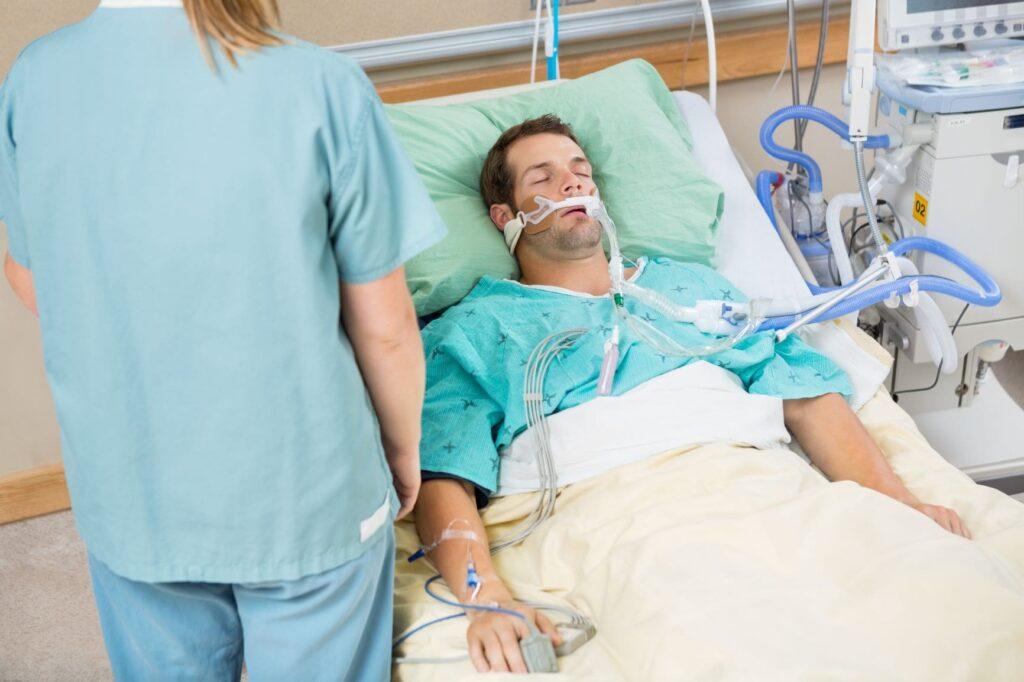
Bedridden patients who depend on ventilators often require continuous respiratory support, careful monitoring, and assistance with everyday activities. Ventilator Care At Home In Dubai can help eligible patients receive personalized support in familiar surroundings while allowing families to remain involved in their care. With guidance from trained nurses and other healthcare professionals, caregivers can focus on respiratory safety, hygiene, positioning, nutrition, and emotional wellbeing. A Doctor at Home service may also support medical assessments and follow-up when appropriate. Understanding the essential considerations for home ventilator care can help families prepare a safer environment, recognize changes in a patient's condition, and coordinate care according to an individualized medical plan.
Understanding the Needs of Bedridden Ventilator Patients:
Bedridden patients may have limited mobility because of neurological conditions, severe respiratory illness, injuries, or recovery from major medical procedures. When ventilator support is also required, their care may involve monitoring breathing, managing prescribed respiratory equipment, preventing pressure injuries, and assisting with personal hygiene. Each patient has different clinical needs, so the treating healthcare team should establish an individualized care plan that identifies required monitoring, nursing responsibilities, mobility restrictions, and emergency procedures. Families should understand which tasks they can safely perform and which require a trained professional. Regular communication with the healthcare team helps ensure that the patient's respiratory needs and overall comfort are considered together.
Maintaining Safe and Consistent Respiratory Support:
Reliable respiratory support is central to caring for a bedridden patient who uses a ventilator. Caregivers and nurses should follow the prescribed plan, observe breathing patterns, and check relevant monitoring readings as directed by the clinical team. Ventilator tubing, masks, tracheostomy connections, and other accessories should be positioned and maintained according to the device instructions and the patient's care plan. Alarms should never be ignored or silenced without understanding their cause. Only appropriately authorized professionals should change ventilator settings or prescribed respiratory treatment. If the patient develops severe breathing difficulty, becomes unresponsive, or appears critically unwell, caregivers should follow the emergency plan and contact local emergency services immediately.
Preventing Pressure Injuries Through Proper Positioning:
Patients who spend most of their time in bed may be at increased risk of pressure injuries, particularly when they cannot reposition themselves independently. Skilled nurses can assess skin condition, help with individualized repositioning schedules, and use recommended pressure-relieving mattresses or cushions when appropriate. Caregivers should check vulnerable areas, such as the heels, hips, elbows, and tailbone, for persistent redness, swelling, or skin breakdown. Repositioning must take account of the patient's medical condition, comfort, and any movement restrictions. Ventilator tubing and other equipment should be secured appropriately during position changes to reduce the risk of accidental pulling or disconnection. Early reporting of skin changes allows the healthcare team to recommend suitable interventions.
Supporting Personal Hygiene and Infection Prevention:
Personal hygiene is important for comfort, dignity, and reducing certain infection risks in bedridden patients. Care may include bathing, oral hygiene, clean bedding, appropriate skin care, and regular cleaning of frequently touched surfaces. Hand hygiene should be performed before and after patient care, and gloves or other protective equipment should be used when indicated. Ventilator components and airway devices must be cleaned, replaced, and maintained according to manufacturer instructions and clinical guidance. Patients with tracheostomies may require specialized airway care that should only be performed by appropriately trained and authorized individuals. Families should promptly report fever, unusual respiratory secretions, redness around an airway site, or other new symptoms rather than attempting to diagnose or treat a suspected infection independently.
Managing Airway Secretions and Oral Care:
Some bedridden ventilator patients have difficulty coughing effectively or clearing respiratory secretions. Their prescribed care plan may include observation of secretions, oral hygiene, positioning, and specific airway-care procedures. Nurses can monitor changes in the amount, colour, or consistency of secretions and report concerns to the treating clinician. Suctioning, when required, should be performed only by people who have received appropriate training and authorization. Families should not attempt unfamiliar airway procedures or insert objects into an airway to clear a suspected obstruction. Sudden breathing difficulty, signs of severe distress, or suspected airway blockage requires immediate emergency action. Routine observation and appropriate hygiene can support comfort while helping the care team identify changes that need assessment.
Ensuring Proper Nutrition and Hydration:
Nutrition and hydration contribute to general health, energy, skin integrity, and recovery, but bedridden patients may have special dietary needs. Some can eat and drink normally, while others require modified food textures, swallowing precautions, or feeding tubes. The appropriate approach depends on the patient's diagnosis and clinical assessment. Nurses may assist with prescribed feeding routines, monitor intake when required, and report concerns such as vomiting, poor tolerance, dehydration symptoms, or unexpected weight changes. Patients with swallowing difficulties should not be given food, drinks, or oral medication unless this is permitted by their care plan. Any changes to feeding methods, fluid allowances, or nutritional treatment should be directed by qualified healthcare professionals.
Promoting Comfort, Sleep, and Emotional Wellbeing:
Long periods of bed rest and dependence on respiratory equipment can affect a patient's comfort, sleep, and emotional health. Caregivers can help establish predictable routines, reduce unnecessary noise, maintain a comfortable room temperature, and support privacy during personal care. Nurses should observe signs of pain, anxiety, restlessness, or difficulty sleeping and report persistent concerns to the healthcare team. Patients who cannot speak easily may communicate discomfort through facial expressions, gestures, or changes in behaviour, so caregivers should learn their individual communication cues. Where possible, patients should be encouraged to make choices about daily routines and participate in family interactions. Emotional reassurance and respectful communication can help preserve dignity and improve the home-care experience.
Organizing the Home Environment and Medical Equipment:
A well-organized care area can make daily routines easier and help reduce avoidable risks. The ventilator and required accessories should be placed according to the manufacturer's instructions and professional guidance, with tubing arranged to minimize pulling, kinking, or entanglement. Essential supplies should be stored cleanly and kept within reach of trained caregivers. Families should discuss backup power, battery availability, and alternative ventilation arrangements with the healthcare team based on the patient's needs. The emergency plan and contact numbers should be easy to find. Caregivers should also understand the meaning of the patient's ventilator alarms and know which checks they are authorized to perform. Equipment maintenance must follow the approved instructions rather than improvised repairs.
Recognizing Warning Signs and Responding to Emergencies:
Bedridden patients may not always be able to explain their symptoms, making regular observation especially important. Caregivers should watch for sudden changes in breathing, unusual chest movement, reduced alertness, fever, new respiratory secretions, or alarms that indicate a possible equipment problem. Follow the patient's individualized instructions for reporting changes and seeking medical assistance. Warning signs that may require immediate emergency assistance include:
-
Severe breathing difficulty or visible respiratory distress.
-
Blue or grey lips, face, or skin.
-
Sudden unresponsiveness or difficulty waking the patient.
-
Suspected interruption of essential ventilation.
-
Severe symptoms suggesting an airway obstruction.
-
Rapid deterioration in the patient's overall condition.
Do not delay emergency assistance while trying to troubleshoot unfamiliar equipment or contacting a routine care provider. Following an emergency, the healthcare team should review the incident and determine whether the care plan needs updating.
Working With Skilled Nurses and the Healthcare Team:
Coordinated care helps ensure that respiratory support, personal care, and other health needs are addressed consistently. Skilled nurses may assist with prescribed monitoring, hygiene, positioning, airway care within their authorization, and documentation of changes in the patient's condition. Doctors and other specialists can review treatment, assess new symptoms, and provide guidance about ongoing respiratory needs. Family caregivers should share observations clearly and ask questions whenever instructions are unclear. For families arranging Ventilator Care At Home In Dubai, a well-coordinated team can help clarify responsibilities, provide caregiver education, and maintain continuity between home care and clinical follow-up. Regular reviews are particularly important when the patient's condition, equipment, or care requirements change.
Final Thoughts.
Ventilator care for bedridden patients involves much more than maintaining respiratory equipment. Safe care also includes pressure injury prevention, hygiene, airway management, nutrition, emotional support, and preparation for emergencies. Because each patient's needs are different, all care should follow an individualized plan developed by qualified healthcare professionals. Families should receive appropriate training, maintain clear communication with the care team, and seek immediate assistance when serious warning signs appear. With consistent routines and professional support, Ventilator Care At Home In Dubai can help eligible bedridden patients receive organized, compassionate care while prioritizing comfort, dignity, and safety.

 English
 Arabic
 French
 Spanish
 Portuguese
 Deutsch
 Turkish
 Dutch
Dutch
 Russian
 Romaian
 Portuguese (Brazil)
 Greek
Greek
