


How to Balance Loan Repayments With Everyday Expenses
Introduction
Managing loan repayments alongside everyday expenses can be challenging, especially when your income also needs to cover household bills, groceries, transportation, education, and other essential needs. Without a clear financial plan, it can become difficult to meet repayment deadlines while maintaining your regular lifestyle.
The key is to understand your income, prioritise essential spending, and plan loan repayments before making discretionary purchases. With consistent budgeting and responsible financial decisions, you can manage your financial obligations without putting unnecessary pressure on your monthly budget.
Understand Your Monthly Income and Expenses
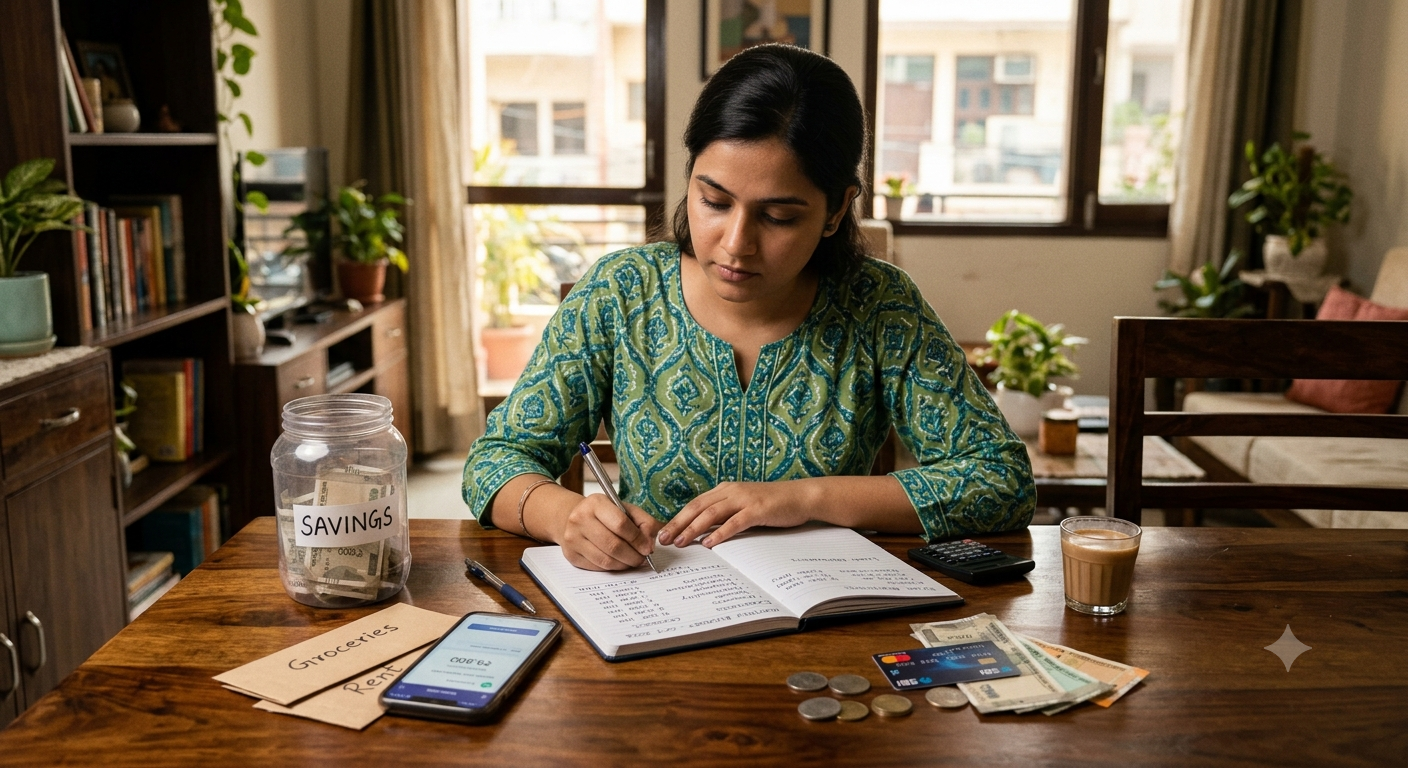
The first step towards balancing loan repayments is understanding how much money you receive and how much you spend. Make a list of your regular income sources, fixed expenses, variable expenses, and existing financial obligations.
Fixed expenses may include rent, insurance premiums, and certain household bills. Variable expenses can include groceries, transportation, electricity consumption, and personal purchases.
Once you have listed these expenses, identify how much income remains available for loan repayments and savings. This simple exercise can help you recognise spending patterns and identify areas where adjustments may be possible.
If your income changes from month to month, review your finances regularly instead of relying on an average that may not reflect your current situation.
Create a Realistic Monthly Budget
A practical budget helps you distribute your income according to your financial priorities. Rather than allocating money randomly throughout the month, decide how much you need for essential expenses, loan repayments, savings, and optional spending.
Consider these budgeting practices:
-
List all existing loan repayments and their due dates.
-
Set aside money for essential household expenses.
-
Identify non-essential purchases that can be reduced.
-
Account for irregular expenses, such as annual bills or maintenance.
-
Review your budget whenever your income or expenses change.
Your budget should reflect your actual circumstances. Avoid setting unrealistic spending limits that leave you unable to cover basic needs or manage unexpected expenses.
Prioritise Loan Repayments Without Ignoring Essential Needs
Loan repayments are important financial commitments, but they should be planned alongside necessities such as food, housing, utilities, and healthcare.
Review your repayment schedule at the beginning of each month. If possible, align bill payments and budgeting activities with your income dates so you can prepare for upcoming obligations.
Consider maintaining a separate account or using a dedicated budgeting category for money intended for scheduled repayments. This can make it easier to distinguish money available for everyday spending from money already committed to financial obligations.
If you anticipate difficulty making a payment, contact your lender as early as possible to discuss the options available under your loan agreement. Do not assume that a missed payment can be postponed without consequences.
Plan for Irregular Income and Unexpected Expenses
People with variable earnings may find loan management particularly difficult. Freelancers, consultants, small business owners, and other self-employed professionals may receive payments at different times or experience changes in monthly income.
For individuals exploring an instant personal loan for self employed applicants, budgeting deserves special attention before taking on a new repayment obligation. Income may fluctuate due to delayed client payments, seasonal demand, or changes in business activity.
Before borrowing, consider the following:
-
Review your income patterns over several months.
-
Estimate essential personal and business expenses separately.
-
Account for taxes and other upcoming financial obligations.
-
Assess whether repayments remain manageable during lower-income periods.
-
Avoid relying on uncertain future earnings to meet fixed repayments.
Where possible, build an emergency reserve that can help cover essential expenses and scheduled payments when income temporarily falls.
Reduce Unnecessary Spending
Small spending decisions can affect the amount of money available for loan repayments. Reviewing everyday expenses can help you identify opportunities to improve your budget without compromising essential needs.
For example, plan grocery shopping in advance, compare service plans, reduce unused subscriptions, and avoid purchases made without considering their impact on your finances.
You do not need to eliminate every non-essential expense. Instead, decide which purchases are important to you and set reasonable limits for discretionary spending.
Tracking expenses regularly can also help you understand whether your budget is working or needs adjustment.
Avoid Taking Additional Debt to Cover Existing Repayments
When monthly expenses become difficult to manage, taking another loan may appear to offer immediate relief. However, using new borrowing to cover existing repayments can increase overall debt and create further financial pressure.
Before considering additional credit, review why your current budget is falling short. The problem may involve irregular income, high essential expenses, existing debt obligations, or spending patterns that need attention.
If you are considering an instant personal loan for self employed professionals or any other borrowing option, evaluate the total repayment obligation, applicable charges, repayment schedule, and affordability before applying.
Compare available alternatives carefully and avoid borrowing unless the purpose and repayment plan are clear.
Communicate With Your Lender if You Face Financial Difficulty
Changes in income or unexpected expenses can sometimes make it difficult to meet a repayment deadline. Ignoring the problem may limit the time available to explore possible solutions.
Contact your lender promptly if you believe you may struggle with an upcoming payment. Ask whether any options are available under the lender's policies and your loan agreement.
Depending on the circumstances, the lender may explain the available procedures for handling repayment difficulties. Any change to the repayment arrangement should be confirmed directly with the lender, including its potential costs and implications.
Keep records of relevant communication and continue reviewing your budget so you can make informed decisions.
Build Healthy Financial Habits for the Long Term
Balancing repayments and daily expenses becomes easier when you develop consistent financial habits.
Review your budget weekly: A short review can help identify overspending before it affects essential obligations.
Prepare for upcoming bills: Keep track of payment dates and irregular expenses to reduce last-minute pressure.
Maintain emergency savings: Build a reserve gradually according to your financial capacity.
Monitor outstanding debt: Understand your repayment commitments and avoid taking on obligations you cannot comfortably afford.
Adjust spending when circumstances change: If income decreases or expenses increase, reassess optional spending and financial priorities promptly.
These habits can help you maintain better control over your money and make financial decisions with greater confidence.
Conclusion
Balancing loan repayments with everyday expenses requires careful planning, realistic budgeting, and a clear understanding of your financial commitments. By prioritising essential needs, tracking spending, preparing for income changes, and avoiding unnecessary borrowing, you can manage your obligations more effectively.
For salaried and self-employed individuals alike, the goal is to choose financial commitments that fit their circumstances. Reviewing your budget regularly and communicating with your lender when difficulties arise can help you respond to financial challenges more responsibly.
Frequently Asked Questions (FAQs)
1. How can I manage loan repayments and household expenses together?
Prepare a monthly budget that includes essential household costs, loan repayments, savings, and discretionary spending. Track expenses regularly and adjust your budget when circumstances change.
2. What should I do if my loan repayment is too high for my monthly budget?
Review your spending and essential expenses first. If you still expect difficulty, contact your lender promptly to ask about available options under your loan agreement. Avoid ignoring payment deadlines.
3. How can self-employed individuals plan loan repayments when income varies?
Review income patterns, separate business and personal expenses, account for taxes, and plan repayments around realistic earnings. Maintain an emergency reserve when possible and assess affordability during lower-income periods.
4. Should I take another loan to pay an existing loan?
Taking additional debt can increase your financial obligations. Review the reason for the shortfall and explore suitable alternatives before borrowing again. Compare all costs and repayment terms carefully.
5. What should I consider before applying for an instant personal loan for self employed applicants?
Assess your income stability, existing financial obligations, eligibility, applicable charges, repayment terms, and ability to make payments during slower business periods. Borrow only when the repayments are affordable.

 English
 Arabic
 French
 Spanish
 Portuguese
 Deutsch
 Turkish
 Italiano
 Russian
 Romaian
 Portuguese (Brazil)
 Greek
Greek
