


Botox in London: How Are Forehead and Frown Lines Assessed During Consultation?
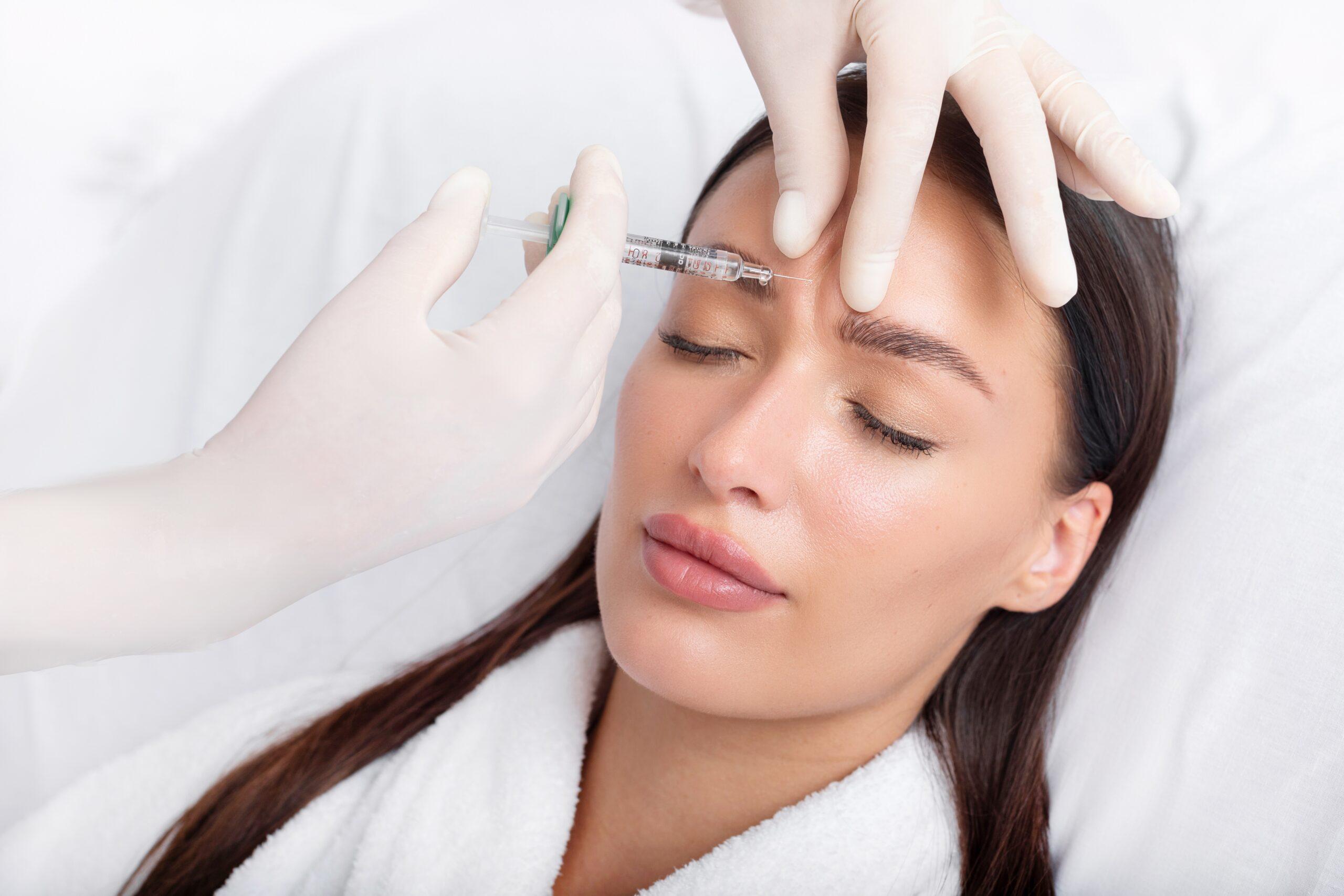
Forehead and frown lines are among the most noticeable facial expression lines because they develop in areas that move frequently throughout the day. Raising the eyebrows, concentrating, squinting and frowning all involve repeated muscle activity that can gradually influence the appearance of the skin. For individuals considering anti-wrinkle injections, understanding how these lines are assessed during a consultation can help clarify the treatment planning process and establish realistic expectations.
A consultation involves more than identifying visible lines. The practitioner considers facial expressions, muscle movement, eyebrow position, skin characteristics and the individual's aesthetic preferences. These factors help determine which areas may benefit from treatment and how an approach can be tailored to the person's natural facial features.
At Bodyvie Clinic, individuals exploring Botox in London can use a consultation to discuss their concerns, understand the assessment process and consider an approach that reflects their facial anatomy and desired appearance. The aim is to develop a personalised plan rather than apply the same treatment strategy to every face.
Understanding Forehead and Frown Lines
Although forehead lines and frown lines can appear close together, they develop in different areas and involve different patterns of muscle activity. Recognising these differences is an important part of an anti-wrinkle consultation.
Forehead lines usually appear as horizontal creases across the upper portion of the face. They are commonly associated with the frontalis muscle, which raises the eyebrows. These lines may become noticeable when a person looks surprised or lifts their eyebrows, although repeated movement can make some creases visible even when the face is relaxed.
Frown lines typically appear vertically or diagonally between the eyebrows. They are associated with muscles involved in drawing the eyebrows together and downward. These lines may become more apparent when someone concentrates, squints or expresses frustration.
During a consultation for Botox Injections In London, the practitioner assesses both areas individually. Understanding how the muscles interact helps establish whether the main concern involves horizontal forehead lines, vertical frown lines or a combination of the two.
How Facial Expressions Are Evaluated During Consultation
One of the first stages of assessment is observing the face at rest and during movement. Static appearance alone does not always provide enough information about how expression lines develop.
The practitioner may ask the individual to perform several facial movements, such as raising the eyebrows, bringing them together or relaxing the forehead. These movements help reveal which muscles are active and where the skin folds most prominently.
Assessing the Face at Rest
The resting face provides a useful starting point for understanding the natural appearance of the forehead and the area between the eyebrows. The practitioner observes whether lines remain visible when the facial muscles are relaxed.
Some people have lines that appear primarily during expression, while others have more established creases that remain noticeable at rest. This distinction can influence the discussion about treatment goals and the degree of improvement that may be realistic.
The assessment also considers the overall appearance of the upper face. The position of the eyebrows, the shape of the forehead and the relationship between different facial features can all contribute to the final treatment plan.
Observing Dynamic Facial Movement
Dynamic assessment focuses on how the face changes during expression. When the individual raises their eyebrows, the practitioner can observe the movement responsible for horizontal forehead lines. When the eyebrows are drawn together, the assessment reveals the pattern of frown-line formation.
The practitioner may also look for differences between the left and right sides of the face. Natural asymmetry is common, and one eyebrow may rise more prominently than the other. Identifying these differences before treatment helps establish a more informed starting point.
This stage is particularly relevant when planning Botox in London, as treatment decisions need to account for natural muscle activity rather than relying exclusively on the depth or number of visible lines.
Evaluating the Depth and Position of Forehead Lines
Forehead lines vary considerably from one individual to another. Their appearance may depend on facial anatomy, habitual expressions, skin characteristics and the extent to which the lines have become established over time.
During the consultation, the practitioner considers where the lines begin and end, how prominently they appear during movement and whether they remain visible when the forehead is relaxed. The position of the lines in relation to the eyebrows is also important.
For example, some individuals develop several fine horizontal lines across the forehead, while others have fewer but more noticeable creases. A person who frequently raises their eyebrows may demonstrate a different movement pattern from someone whose forehead remains relatively still during conversation.
The practitioner also evaluates how the forehead muscles contribute to eyebrow elevation. Because these muscles play a role in maintaining the natural position of the eyebrows, treatment planning needs to consider their function alongside the individual's cosmetic concerns.
The objective is to discuss an approach that addresses the relevant lines while taking the surrounding facial structures into account.
How Frown Lines Are Assessed Between the Eyebrows
Frown lines require a focused assessment because several muscles contribute to movement in the glabellar area, which is the region between the eyebrows.
The practitioner observes how the eyebrows move when the individual frowns or concentrates. This can help identify the direction of movement, the areas where the skin folds and whether one side appears more active than the other.
Identifying the Pattern of Frown Lines
Frown lines do not look identical in every person. Some individuals develop two prominent vertical lines, while others have several smaller creases or diagonal lines extending towards the eyebrows.
The practitioner considers the location and appearance of these lines during both active expression and relaxation. This helps distinguish lines that appear mainly through muscle contraction from those that remain visible without deliberate movement.
The spacing between the eyebrows and their natural position also contribute to the assessment. These details help create a more complete understanding of the upper face rather than treating the frown area as an isolated feature.
Considering the Relationship Between the Forehead and Frown Area
Forehead and frown lines are assessed together because the muscles in these areas work in coordination. The frontalis muscle raises the eyebrows, while muscles around the glabella can draw them inward or downward.
If these areas are considered separately without examining their interaction, the treatment plan may not adequately reflect the person's natural facial movement. A combined assessment helps the practitioner understand how different expressions influence the appearance of the upper face.
For individuals considering Botox Injections In London, this integrated approach supports a personalised discussion about which areas may be appropriate to address and what type of result may be achievable.
Assessing Skin Characteristics and Existing Lines
Muscle movement is an important consideration, but it is not the only factor involved in assessing forehead and frown lines. The condition and appearance of the skin also influence how these creases develop.
The practitioner may consider skin texture, elasticity and the visibility of lines when the face is relaxed. Fine lines associated with repeated expression may behave differently from deeper creases that have become established over time.
Ageing, environmental exposure and individual skin characteristics can also affect the appearance of the forehead. Two people with similar muscle movement may therefore have different patterns of visible lines.
This assessment helps establish realistic expectations. Anti-wrinkle injections work by temporarily reducing activity in selected muscles, so the extent of visible improvement can vary according to the characteristics of the lines being treated.
A consultation provides an opportunity to discuss these differences and determine whether the individual's goals are consistent with the expected role of treatment.
Understanding Individual Treatment Goals
A successful consultation should reflect what the individual wants to achieve rather than assume that everyone prefers the same appearance.
Some people want to soften prominent frown lines while retaining natural eyebrow movement. Others are more concerned about horizontal forehead creases or would like to discuss both areas together. Some prefer a subtle change, while others may have different priorities based on their facial expressions.
The practitioner should discuss these preferences before developing a treatment plan. Understanding the desired outcome helps establish appropriate expectations and provides a basis for reviewing the results later.
Maintaining Natural Facial Expression
Many individuals want their forehead and frown lines to appear less prominent without losing their ability to express emotions naturally. This makes the assessment of existing movement particularly important.
The practitioner considers how the eyebrows move during ordinary conversation and whether the individual relies heavily on forehead movement to communicate expression. These observations help inform a discussion about the balance between softening lines and preserving the person's characteristic facial movements.
The consultation should also address the fact that individual responses differ. The aim is to create a plan suited to the person's anatomy and preferences, rather than promise a completely line-free forehead or an identical result to someone else's treatment.
What Happens When a Personalised Plan Is Developed?
After evaluating facial movement, line position, skin characteristics and aesthetic preferences, the practitioner brings these observations together to discuss possible treatment options.
The plan may focus on the forehead, the frown area or both, depending on the assessment. The practitioner explains the areas being considered, the intended outcome and the factors that may influence the result.
A personalised approach recognises that the same number of injections or the same treatment pattern will not necessarily suit everyone. Facial anatomy, muscle strength, eyebrow position and the individual's preferences all contribute to treatment planning.
The consultation is also an opportunity to discuss previous anti-wrinkle treatments, if applicable, including the individual's experience and the results they would like to maintain or change. Sharing this information can help the practitioner understand what matters most to the person.
Those researching the Best Botox Clinic London should consider the importance of a thorough consultation, clear communication and an individualised assessment. The quality of the planning process matters because it helps ensure that treatment discussions are based on facial features, personal goals and realistic expectations.
Preparing for a Botox Consultation in London
Preparing a few questions before an appointment can make the consultation more productive. Individuals may wish to explain which lines concern them most, when they first noticed them and whether they are visible only during expressions or also when the face is relaxed.
It can also be helpful to describe the preferred outcome. For example, someone may want to soften frown lines without substantially changing their eyebrow movement. Another person may be more interested in reducing horizontal forehead creases.
Individuals who have previously received anti-wrinkle injections can discuss their experience and explain what they liked or would prefer to approach differently. This information gives the practitioner additional context when reviewing the face and discussing suitable options.
Questions about the expected appearance, the treatment process and the timing of follow-up appointments can also be raised during the consultation. A clear discussion helps the individual understand the proposed approach before making a decision.
Conclusion
Assessing forehead and frown lines involves a detailed evaluation of facial movement, line depth, eyebrow position, skin characteristics and individual aesthetic goals. Forehead lines are primarily associated with the muscles that raise the eyebrows, while frown lines develop through the coordinated activity of muscles around the glabella. Evaluating these areas together helps provide a more complete understanding of the upper face.
A consultation for Botox in London should therefore go beyond simply identifying visible creases. By observing the face at rest and during expression, a practitioner can discuss how different features contribute to the appearance of lines and develop a plan that reflects the individual's needs.
For people considering treatment at Bodyvie Clinic, a personalised consultation offers an opportunity to discuss their concerns, understand realistic expectations and explore an approach designed around their natural facial features.
Frequently Asked Questions
1. How are forehead lines assessed during a Botox consultation?
The practitioner examines the forehead at rest and during eyebrow elevation. This helps identify the position, depth and pattern of horizontal lines and shows how the forehead muscles contribute to their appearance.
2. How does a practitioner assess frown lines?
The practitioner observes the area between the eyebrows while the individual frowns and relaxes their face. The assessment considers line direction, muscle movement, eyebrow position and any natural differences between the two sides.
3. Can forehead and frown lines be assessed during the same appointment?
Yes. Both areas can be evaluated during one consultation. Assessing them together helps the practitioner understand how the muscles interact and how their movement influences the overall appearance of the upper face.
4. Does Botox work differently for forehead lines and frown lines?
The treatment approach may differ because the areas involve different muscles and movement patterns. The practitioner considers the relevant anatomy and the individual's goals when discussing an appropriate plan.
5. Are forehead lines assessed when the face is relaxed?
Yes. Examining the face at rest helps determine whether lines are visible without active muscle contraction. The practitioner also assesses the face during movement to understand how the lines form.
6. What should I discuss during a Botox consultation in London?
You can explain which lines concern you, describe your preferred appearance and share details of previous anti-wrinkle treatments. Asking about expected results and the proposed treatment plan can also help you make an informed decision.
7. Can Botox treatment be personalised to individual facial features?
Yes. Treatment planning can take account of facial anatomy, muscle activity, eyebrow position, the appearance of existing lines and individual preferences. This helps ensure that the discussion reflects the person's particular features rather than a standardised approach.
8. How do I choose the best Botox clinic in London?
Look for a clinic that prioritises a detailed consultation, appropriate practitioner qualifications, clear explanations and personalised treatment planning. You should feel comfortable discussing your goals and asking questions before deciding whether to proceed.

 English
 Arabic
 French
 Spanish
 Portuguese
 Deutsch
 Turkish
 Dutch
Dutch
 Italiano
 Romaian
 Portuguese (Brazil)
 Greek
Greek
