


Exploring Functionality, Visibility, and Design in Parking Stoppers
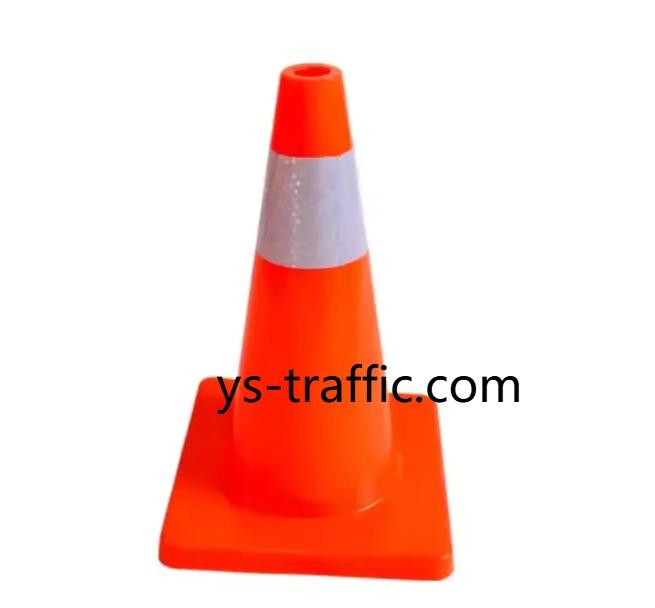
In residential communities, commercial properties, and industrial facilities, a Parking Stopper helps establish a clear stopping boundary and supports more organized vehicle positioning. Although its structure may appear simple, its effectiveness depends on material selection, ground contact, visibility, installation quality, and compatibility with the surrounding parking environment. Considering these details helps property managers and contractors choose products that support everyday parking operations without creating unnecessary obstacles.
Material selection influences how a stopper responds to repeated vehicle contact and changing outdoor conditions. Rubber is widely used for parking safety products because it offers flexibility and can absorb some impact during contact with a tire. Recycled rubber compounds may also provide a practical way to reuse suitable material in traffic facility manufacturing. The quality of the finished product depends on the consistency of the compound, the molding process, and the way the material is prepared for its intended application.
Other materials can serve different purposes in parking equipment. Plastic-based components may be used where lightweight handling or particular shapes are desirable, while metal is often associated with structural supports or fastening hardware. Each material has its own characteristics, so buyers should consider how it responds to moisture, sunlight, temperature changes, and repeated contact. Material selection should reflect the environment rather than relying on appearance alone.
The first step in choosing a stopper is to understand the layout in which it will be installed. An open-air parking lot may require a different approach from a covered garage, a private driveway, or a vehicle storage area. Buyers should consider the pavement surface, drainage conditions, traffic flow, nearby pedestrian routes, and the types of vehicles using the space. These factors influence both product suitability and placement.
Installation requirements deserve equal attention. Some products are designed to be secured to the ground, while others may support more flexible placement depending on their construction and intended use. The condition of the pavement, the suitability of fixing points, and access for installation tools can affect the process. A stopper should be positioned to provide useful guidance without interfering with pedestrian movement, drainage, or adjacent parking spaces.
Visibility is another important selection factor. Drivers need to recognize the stopping boundary while approaching or reversing into a space. Contrasting colors can help the product stand out from the pavement, while reflective markings may improve recognition when lighting is limited. The appropriate combination depends on the surroundings, including existing signs, painted lines, lighting, and other safety features.
Product function is closely connected with its shape. A sloped profile can provide a gradual contact surface for a vehicle tire, while a stable base helps the stopper remain properly positioned after installation. The contact area should be designed for its intended use rather than treated as a purely decorative feature. Clear geometry helps drivers understand the boundary and supports consistent placement across a parking area.
Manufacturing processes influence the consistency of these structural details. Rubber molding, material preparation, surface finishing, and the formation of fixing points all contribute to the finished product. Well-controlled production helps maintain a coherent shape and supports reliable installation. For buyers sourcing products for multiple locations, consistency between units can make planning, replacement, and routine facility management more straightforward.
User experience begins before the vehicle reaches the stopper. Drivers rely on visible parking boundaries and familiar spatial cues to judge where to position their vehicles. A clearly identifiable stopper can complement painted markings and signs, helping make the parking arrangement easier to understand. However, it should be treated as one part of a broader parking safety plan rather than a substitute for careful driving, appropriate signage, or sound site planning.
Maintenance also affects long-term usability. Outdoor products may accumulate dust, mud, standing water, or debris, while markings can become less visible through exposure and wear. Routine inspection can help facility managers identify loose fixings, material deterioration, or damaged reflective areas. Keeping the surrounding pavement clear also helps preserve visibility and reduces the chance that the stopper becomes an unexpected obstacle for pedestrians.
Design and appearance can influence how naturally parking equipment fits into a property. In commercial developments, visual consistency may matter alongside functional performance. Neutral body colors can blend with industrial surroundings, while contrasting markings help communicate the product's purpose. The shape, surface texture, and finishing details should work together so that the stopper looks appropriate without drawing unnecessary attention away from other site guidance.
Customization offers further flexibility for distributors, contractors, and property developers. Different projects may call for particular colors, surface markings, fastening arrangements, or product forms. Manufacturers can evaluate these requests against material properties, molding requirements, installation conditions, and the intended use environment. This collaborative approach can help buyers select a design that aligns with the site's practical needs and overall appearance.
Tiantai Yongsheng Traffic Facilities Co., Ltd. manufactures rubber traffic safety products and supports product development for different applications. Its parking safety range includes wheel stoppers designed to help define vehicle stopping positions in garages, driveways, and larger parking facilities. For buyers evaluating a manufacturing partner, material consistency, production processes, installation considerations, visibility features, and customization support are useful areas to discuss during product selection.
Parking layout planning can also influence how stoppers are arranged across a site. Their placement should correspond with vehicle paths, accessible routes, nearby structures, and the expected direction of entry into each space. Coordination among contractors, property managers, and safety planners can help ensure that the equipment works naturally with pavement markings and other site features. Tiantai Yongsheng Traffic Facilities Co., Ltd. provides further information about its parking safety products and traffic facility solutions at https://www.ys-traffic.com/.

 English
 Arabic
 French
 Spanish
 Portuguese
 Deutsch
 Turkish
 Italiano
 Russian
 Romaian
 Portuguese (Brazil)
 Greek
Greek
