


Table Top Weighing Scale in UAE: Smart Weighing for Commercial and Industrial Use
Businesses that handle ingredients, small products, spare parts, and packaged goods need weighing equipment that delivers consistent results without occupying too much space.
A Table Top Weighing Scale in UAE is a practical choice for companies that require convenient and accurate measurements at counters, workstations, and production tables. From retail businesses and restaurants to warehouses and manufacturing facilities, these compact weighing machines help employees measure products efficiently, maintain quantity control, and support everyday business operations.
As commercial and industrial activities continue to grow across the UAE, choosing suitable weighing equipment has become important for maintaining product quality and improving workplace productivity. The right tabletop scale can simplify routine tasks while providing dependable measurements for different applications.
What Makes Tabletop Weighing Scales Useful?
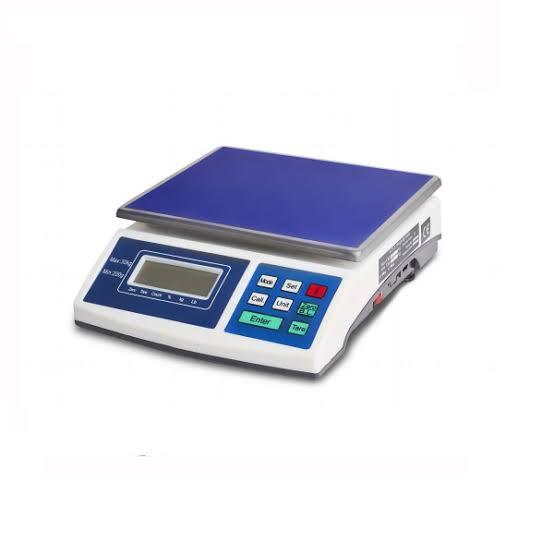
A tabletop weighing scale is a compact instrument designed to measure the weight of items placed on a flat weighing platform. Most electronic models use load cells to detect the applied weight and display the measurement on a digital screen.
Unlike large floor scales, tabletop models can be positioned directly where weighing takes place. This arrangement helps employees weigh products without repeatedly moving them to another location. Their compact design makes them suitable for businesses with limited workspace or multiple weighing stations.
Depending on the model, these scales may include tare weighing, zero adjustment, unit conversion, piece counting, and data communication features. Businesses can select a basic model for routine measurements or a more advanced option for specialised commercial and industrial tasks.
Industries That Benefit from Tabletop Weighing Equipment
Tabletop scales are used across many sectors because they can handle a variety of lightweight and medium-weight products. Selecting the correct model allows businesses to integrate weighing into their existing workflow.
Food Preparation and Processing
Restaurants, bakeries, catering companies, and food processing facilities often need to measure ingredients in consistent quantities. A suitable tabletop scale helps employees weigh flour, spices, meat, dry ingredients, and other food products according to recipes or packaging requirements.
In environments where equipment is frequently cleaned, businesses should consider models with suitable materials and protection against moisture. This helps ensure that the scale matches the hygiene requirements of the workplace.
Retail Shops and Wholesale Businesses
Retailers and wholesalers may use tabletop weighing equipment to measure products sold by weight. Clear digital readings make everyday transactions easier and help employees maintain consistent quantities.
For commercial transactions, businesses should confirm that the selected scale meets applicable UAE requirements for trade use.
Warehouses and Packaging Departments
Packaging teams regularly weigh small cartons, parcels, components, and products before dispatch. A tabletop scale placed near a packing station can help workers check package weights without interrupting their workflow.
Warehouses may also use these scales for incoming goods inspection, stock verification, and routine quality checks. The correct capacity and platform dimensions are important when handling different types of packages.
Manufacturing and Assembly Units
Manufacturers often work with small components, fasteners, spare parts, and production materials that require accurate measurement. Tabletop scales can help employees check material quantities, weigh samples, and prepare components for assembly.
Models with counting functions can be particularly useful when a business needs to estimate the number of identical pieces based on their average unit weight.
Laboratories and Quality Control
Certain tabletop weighing instruments are suitable for applications that require careful measurement of small samples. Laboratories and quality-control departments should select equipment according to their required readability, repeatability, environmental conditions, and testing procedures.
For highly precise laboratory work, a dedicated precision balance may be more appropriate than a general-purpose tabletop scale.
Important Features to Consider Before Buying
Choosing a weighing scale requires an understanding of how it will be used. A model suitable for a retail counter may not provide the features needed for a busy production facility.
Capacity is one of the first factors to evaluate. Businesses should determine the maximum weight of the items they expect to measure and choose equipment designed for those loads. Readability is equally important because different applications require different levels of measurement detail.
The platform should be large enough to accommodate the products comfortably. A clear display, straightforward controls, and a stable weighing surface can also improve everyday usability.
Other useful features may include:
-
Tare and zero functions for convenient net-weight measurements.
-
Rechargeable battery operation for flexible placement.
-
Counting functions for compatible inventory applications.
-
Suitable construction materials for the working environment.
Not every business needs every feature. Comparing the actual requirements with the available specifications helps prevent unnecessary spending.
Understanding Capacity and Measurement Accuracy
Capacity and accuracy are related to different aspects of weighing performance. Capacity refers to the maximum load a scale is designed to measure, while readability indicates the smallest displayed weight increment. These specifications should be evaluated together when selecting equipment.
For example, a business measuring small components may need finer readability than a warehouse checking medium-sized packages. A food production facility may prioritise consistent ingredient measurements, while a packing department may focus on weighing efficiency and suitable capacity.
Businesses should avoid choosing a scale based only on its maximum capacity or advertised precision. The equipment must be suitable for the actual weighing task, including the size of the items and the accuracy required.
Maintaining Reliable Weighing Performance
Even a well-designed weighing scale requires proper handling and maintenance. Incorrect placement, excessive loads, vibration, and accumulated debris can affect measurements or damage components.
The scale should be installed on a stable, level surface away from unnecessary movement. Operators should keep the weighing platform clean and ensure that the item being measured does not touch surrounding objects.
Regular inspection can help identify damaged cables, unstable readings, or other issues before they interrupt operations. Calibration should be arranged according to the manufacturer's recommendations, frequency of use, operating conditions, and accuracy requirements.
Employees should also understand how to use the tare function, apply loads correctly, and avoid exceeding the rated capacity. These simple practices help support consistent results and extend the equipment's useful life.
How to Choose a Table Top Weighing Scale in UAE
Businesses across Dubai, Abu Dhabi, Sharjah, and other UAE locations have different weighing requirements depending on their industries and daily workloads. Before purchasing equipment, it is helpful to identify the products being weighed, the expected maximum load, the available workspace, and the required measurement accuracy.
The operating environment should also influence the decision. A scale used in a dry packing room may have different requirements from one installed in a food processing area where frequent cleaning takes place.
Businesses should review the manufacturer's specifications, available functions, maintenance requirements, and service support before making a final decision. For applications involving regulated commercial weighing, the equipment's suitability for the intended use should be verified in advance.
Why Choose Al Falah Scales?
Al Falah Scales provides weighing solutions for businesses that require equipment for commercial and industrial operations. Finding the right tabletop scale starts with understanding the application, expected load, required readability, and conditions in which the equipment will operate.
By evaluating these requirements carefully, businesses can select weighing equipment that fits their workflow and supports reliable measurements. The appropriate scale can help improve quantity control, simplify routine weighing tasks, and make better use of available workspace.
Conclusion
A tabletop weighing scale is a convenient solution for businesses that need dependable measurements in a compact format. Whether used for food preparation, packaging, retail, warehousing, or manufacturing, the right equipment can support efficient workflows and consistent weighing results. Businesses in the UAE should consider capacity, readability, platform size, and maintenance requirements before selecting a suitable model.
Frequently Asked Questions
1. What is a tabletop weighing scale used for?
A tabletop weighing scale measures ingredients, small products, packages, components, and other materials. It is commonly used in retail shops, food businesses, warehouses, laboratories, and manufacturing facilities.
2. What capacity is suitable for a tabletop weighing scale?
The appropriate capacity depends on the maximum weight of the products being measured. Businesses should choose a model that accommodates their usual loads while providing the required readability.
3. Can tabletop weighing scales be used in food processing?
Yes, suitable models can be used for weighing food ingredients and packaged products. Businesses should select equipment with appropriate construction and protection for their cleaning and hygiene requirements.
4. How can I keep a tabletop weighing scale accurate?
Place the scale on a stable surface, keep the platform clean, avoid overloading, follow the manufacturer's instructions, and arrange calibration when required.

 English
 Arabic
 French
 Portuguese
 Deutsch
 Turkish
 Dutch
Dutch
 Italiano
 Russian
 Romaian
 Portuguese (Brazil)
 Greek
Greek
