


Wound Dressing at Home for Patients With Limited Mobility
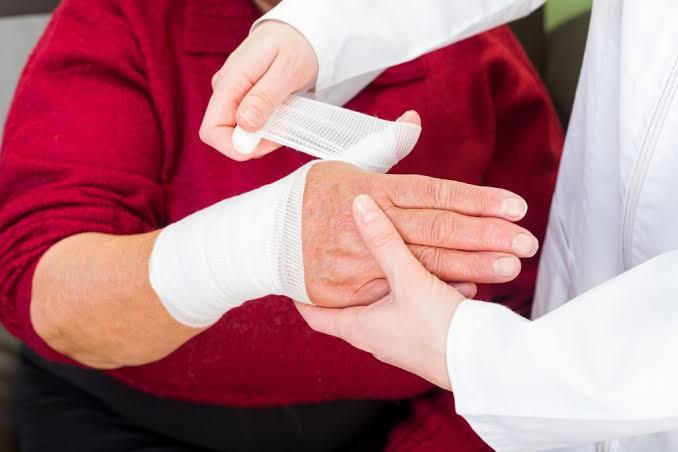
Patients with limited mobility often face additional challenges when managing wounds, as moving around, attending medical appointments, and maintaining proper wound hygiene can be difficult. Wound Dressing at Home in Dubai provides a convenient way for patients to receive professional wound care without the stress of frequent travel. With support from qualified healthcare professionals and services such as Doctor at Home, patients can access appropriate medical guidance and wound management in a familiar environment. Home-based wound dressing can improve comfort, support recovery, and help families manage ongoing care more effectively.
Understanding Wound Care Needs for Patients With Limited Mobility:
Limited mobility may result from ageing, chronic illness, neurological conditions, injuries, or recovery after surgery. These circumstances can make it difficult for patients to reach wounds, change dressings independently, or maintain the cleanliness required for proper healing. Some patients may spend extended periods in bed or rely on wheelchairs, increasing the risk of pressure injuries, skin irritation, and delayed wound recovery. Professional wound care helps address these challenges by ensuring that wounds are assessed, cleaned, and covered using suitable techniques. A personalised care plan also considers the patient's general health, comfort, mobility level, and ability to follow aftercare instructions.
Why Wound Dressing at Home Is Beneficial:
Travelling to a clinic for regular wound dressing can be physically demanding for individuals who have difficulty walking, standing, or transferring between a bed and a wheelchair. Home visits reduce these challenges by bringing wound care directly to the patient. This arrangement can also help family members avoid repeated transport arrangements and long waiting periods. Receiving care at home allows patients to remain in familiar surroundings, which may reduce anxiety and make routine treatment more manageable. Depending on the patient's needs and the healthcare provider's assessment, home wound dressing may be suitable for surgical wounds, minor injuries, pressure sores, and selected chronic wounds.
Key benefits include:
-
Greater comfort and convenience during regular dressing changes.
-
Reduced need for travel and physical exertion.
-
Personalised attention based on the patient's condition.
-
Support for family caregivers managing daily responsibilities.
-
Opportunities to identify changes in the wound during scheduled visits.
The Role of Professional Nurses in Home Wound Care:
Qualified nurses play an important role in helping patients with limited mobility receive consistent and appropriate wound care. During a visit, the nurse may assess the wound, remove the existing dressing carefully, clean the affected area according to the prescribed care plan, and apply a suitable replacement dressing. The nurse can also observe the surrounding skin for redness, swelling, unusual discharge, or other changes that may require medical attention. Professional care is especially valuable when a patient cannot reach the wound or perform dressing changes safely. Nurses can explain each step to patients and caregivers, demonstrate recommended hygiene practices, and provide guidance about when to seek further medical evaluation.
Preventing Infection Through Proper Dressing Techniques:
Wound infection can delay healing and may lead to serious complications, particularly in patients with diabetes, poor circulation, weakened immunity, or other chronic conditions. Maintaining clean hands, using appropriate supplies, and following the prescribed dressing procedure are essential parts of wound management. Patients with limited mobility may find it difficult to keep wounds clean because they depend on others for bathing, repositioning, and personal hygiene. Professional wound dressing helps reduce avoidable contamination by applying suitable techniques and selecting dressings appropriate to the wound. Caregivers should avoid touching the wound unnecessarily, reusing disposable supplies, or applying unapproved creams and home remedies.
Important infection-prevention practices include:
-
Washing hands before and after assisting with wound care.
-
Keeping dressing materials clean and stored appropriately.
-
Following the healthcare professional's instructions for dressing changes.
-
Avoiding unnecessary contact with the wound.
-
Disposing of used dressings safely.
-
Reporting increasing redness, warmth, swelling, pain, or unusual discharge.
Managing Pressure Sores and Bedridden Patients:
Patients who spend long periods in bed or remain seated for extended periods may develop pressure injuries when sustained pressure affects the skin and underlying tissue. These injuries commonly occur around the heels, hips, tailbone, elbows, and other pressure points. Limited mobility can make it difficult for patients to change positions regularly, increasing the importance of a comprehensive care plan. Wound dressing may help protect an existing wound, but it should be combined with measures that address the cause of the pressure injury. Depending on the patient's condition, healthcare professionals may recommend appropriate repositioning, pressure-relieving mattresses or cushions, skin inspections, and nutritional support. Caregivers should follow individualised instructions rather than attempting to manage severe pressure injuries without professional guidance.
Supporting Recovery After Surgery or Injury:
Following surgery or an injury, patients may temporarily have difficulty walking, bending, or reaching certain parts of the body. This can make dressing changes challenging, especially when wounds are located on the legs, back, abdomen, or other areas that are difficult to access. Home wound care helps patients follow their prescribed aftercare plan while avoiding unnecessary movement. A healthcare professional can check the wound's appearance, change the dressing according to medical instructions, and explain how to protect the area during everyday activities. Patients should avoid lifting restrictions, excessive stretching, or other movements that may interfere with recovery. Any changes to the prescribed wound care routine should be discussed with the treating clinician.
How Family Caregivers Can Assist With Wound Management:
Family members often provide essential support to patients with limited mobility, but wound care can feel overwhelming without clear instructions. Caregivers can help by preparing a clean space for dressing changes, organising supplies, assisting with comfortable positioning, and recording relevant observations. They should understand which tasks they can safely perform and when a qualified healthcare professional is needed. It is important not to remove specialised dressings, manipulate wound tissue, or change prescribed products without guidance. Caregivers should also monitor the patient's general wellbeing and encourage adequate nutrition and hydration when appropriate. Clear communication between the patient, family, nurse, and treating clinician helps maintain consistency and reduces the likelihood of missed warning signs.
Recognising Warning Signs That Need Medical Attention:
Although routine wound dressing can often be arranged at home, some symptoms require prompt medical assessment. Increasing pain, spreading redness, warmth, swelling, foul-smelling discharge, or a wound that appears to be worsening may indicate a complication. Fever, chills, rapidly spreading skin changes, confusion, or severe weakness can signal a more serious problem and should not be ignored. Patients with diabetes or circulation problems may develop complications even when a wound appears relatively small. If severe symptoms develop, seek urgent medical care rather than waiting for the next scheduled dressing visit. The treating healthcare professional should also be informed when a wound is not improving as expected or repeatedly becomes wet, displaced, or contaminated.
Preparing for a Home Wound Dressing Appointment:
Preparing the home before a nurse arrives can make the visit smoother and more comfortable for a patient with limited mobility. Choose a clean, well-lit area with enough space for the patient and healthcare professional to work safely. Keep relevant medical records, medication information, previous wound care instructions, and prescribed supplies available if requested. Patients should explain any discomfort, allergies, recent changes, or difficulties they have experienced since the previous visit. Caregivers can also prepare questions about positioning, bathing, dressing protection, and signs that require medical attention. These small preparations help the healthcare professional focus on the wound and provide practical guidance for ongoing care.
Final Thoughts
Wound care can be challenging for patients with limited mobility, especially when regular dressing changes, personal hygiene, and safe movement require additional assistance. Wound Dressing at Home in Dubai offers a practical option for receiving professional wound care in a familiar and comfortable setting. With appropriate assessment, clean dressing techniques, personalised instructions, and support from qualified nurses, patients and caregivers can manage wound care more confidently. Consistent monitoring, pressure injury prevention, and timely medical attention for warning signs remain essential. By combining professional support with a safe home environment and clear communication, families can help patients maintain comfort and follow a more organised recovery plan.

 English
 Arabic
 French
 Portuguese
 Deutsch
 Turkish
 Dutch
Dutch
 Italiano
 Russian
 Romaian
 Portuguese (Brazil)
 Greek
Greek
