


Selecting Stainless Steel Sewage Pumps for Demanding Drainage Environments
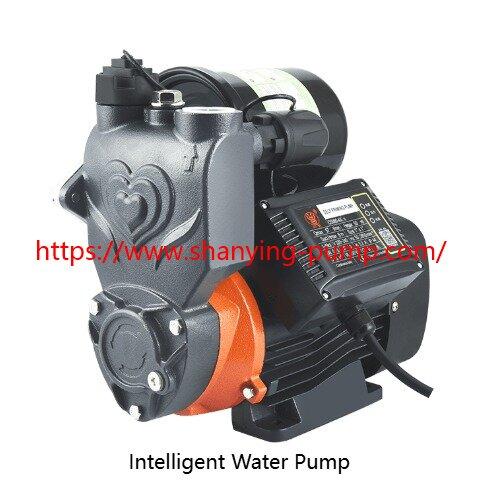
Wastewater systems often deal with liquids that contain suspended particles, sediment, and other impurities, making equipment selection more demanding than ordinary water transfer. When evaluating a Stainless Steel Sewage Pump, buyers should consider how construction materials, hydraulic design, installation conditions, and maintenance practices work together. A suitable pump needs to match the actual wastewater and the requirements of the drainage system, rather than simply appearing durable or versatile. For facility managers, contractors, and equipment distributors, understanding these factors helps create a more informed purchasing decision and a more practical approach to wastewater management.
Material selection is especially important because sewage pumps operate in environments where moisture, contaminants, and prolonged contact with wastewater can affect component condition. Stainless steel is valued for its corrosion resistance in many applications, making it a useful material option for equipment exposed to wet conditions. However, resistance varies according to the material grade and the composition of the liquid being handled. Buyers should identify whether the wastewater contains aggressive chemicals, high concentrations of salts, abrasive particles, or other substances that could affect the pump. Discussing these conditions with the manufacturer helps determine whether the proposed construction is suitable for the intended service.
The internal design deserves equal attention. Sewage may contain solids and fibrous material that can interfere with liquid movement through a pump. Impeller configuration and the design of the flow passage influence how the equipment handles these contents. Some applications may benefit from an anti-clogging structure, while others may require a cutting mechanism to reduce suitable solids before discharge. The correct choice depends on the type of debris, its consistency, and the characteristics of the wastewater. Buyers should describe the liquid as accurately as possible instead of assuming that every sewage pump can handle every form of contamination. Clear application information makes technical discussions more productive.
Before purchasing equipment, it is useful to examine the entire drainage system. The pump must move wastewater from its collection point to the required discharge location, taking account of elevation changes, pipe routing, bends, valves, and other sources of resistance. Installation arrangements also influence the choice. A pump used in a collection pit may have different requirements from equipment installed in a wastewater tank or used for temporary site drainage. Buyers should establish whether the installation will be permanent or portable, how the pump will be accessed for service, and what control arrangements the system requires. Reviewing these details early can reduce the risk of choosing equipment that is difficult to integrate.
Operational stability depends on the relationship between the pump and its working environment. Changes in incoming wastewater, frequent starting and stopping, or the accumulation of debris may influence how consistently a system performs. Appropriate hydraulic design helps the pump move liquid under its intended conditions, while suitable motor protection and control arrangements can support safer operation. Where automatic operation is needed, buyers may also consider how the pump responds to changing liquid levels and how operating conditions are monitored. These features should be assessed according to the installation rather than selected simply because they are available. The goal is to create a pumping arrangement that meets drainage needs without adding unnecessary operational complexity.
User experience in industrial equipment is closely connected with serviceability. Operators need to inspect the pump, identify developing problems, and carry out routine maintenance without unnecessary difficulty. Accessible components, clear installation instructions, and understandable maintenance guidance can make these tasks easier to organize. Before purchasing, users should ask how the pump is installed and removed, which parts require regular inspection, and how blockages should be addressed safely. They should also clarify the availability of technical assistance and replacement components. These considerations matter particularly in locations where a drainage interruption could affect production, building operations, or the safe use of the surrounding facility.
The external structure and overall layout influence how conveniently the pump fits into its installation space. A compact arrangement can be helpful in pits, tanks, and other restricted areas, but sufficient room must remain for connections, inspection, lifting, and maintenance. Cable routing, outlet positioning, and the accessibility of handling points should all be considered as part of the installation plan. A well-organized design makes it easier for technicians to understand how the equipment is positioned and how it connects to the rest of the system. Appearance alone is not the deciding factor; practical construction and service access are more meaningful indicators of whether the pump suits the site.
Taizhou Shanying Pump Co., Ltd. develops, manufactures, sells, and services pump products, including submersible sewage pump solutions for drainage and wastewater-related applications. When discussing a project with the company, buyers can provide information about the liquid composition, solids present, installation environment, discharge arrangement, and expected operating pattern. These details help frame the conversation around appropriate pump construction and application suitability. The company also describes its quality management practices and pump testing capabilities on its website, which buyers can review when evaluating potential suppliers. For contractors, facility managers, and distributors, clear communication about working conditions is an important part of equipment planning.
In wastewater projects, procurement decisions are closely tied to the conditions the equipment will encounter after installation. Material compatibility, solids handling, system layout, operator access, and maintenance planning should therefore remain part of the selection process from the beginning. Taizhou Shanying Pump Co., Ltd. offers pump products for drainage and other water-handling applications, giving buyers a starting point for discussing project-specific requirements. To learn more about its product range and company information, visit https://www.shanying-pump.com/.

 English
 Arabic
 French
 Spanish
 Portuguese
 Deutsch
 Dutch
Dutch
 Italiano
 Russian
 Romaian
 Portuguese (Brazil)
 Greek
Greek
