


What Does Marine Electronics Repair Include? A Complete Guide to Boat GPS, Radar, Fish Finder and Navigation System Problems
Introduction
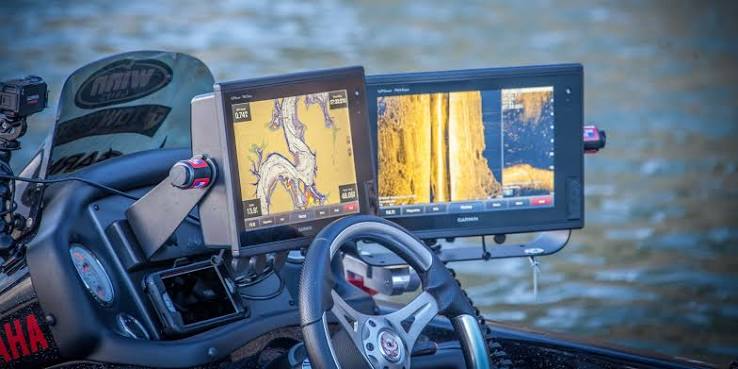
Modern boats use advanced electronic systems to help owners navigate safely, find fish, monitor engine performance, and enjoy smoother trips on the water. When these systems stop working correctly, Marine Electronics Repair becomes important for keeping a boat safe and reliable. Problems with GPS, radar, fish finders, navigation screens, radios, or electrical connections can make boating difficult and may create safety risks. Understanding these problems helps boat owners recognize warning signs and know when to call a professional marine technician.
Marine electronics are exposed to water, salt, heat, vibration, and changing weather conditions. Over time, these factors can damage wires, connectors, sensors, displays, and other important parts. Regular inspection and professional service can help prevent small issues from turning into expensive repairs.
This complete guide explains what marine electronics repair includes, common problems with boat GPS and radar systems, fish finder failures, navigation issues, installation services, and practical maintenance tips. It also explains how marine electronics work alongside engine services and stabilization systems to support a better boating experience.
1. What Does Marine Electronics Repair Include?
Marine electronics repair covers the inspection, testing, troubleshooting, and repair of electronic equipment installed on boats. These systems help boat owners navigate, communicate, monitor equipment, and understand conditions beneath and around the vessel.
A marine technician usually begins by asking about the problem. For example, the GPS may lose its signal, the radar may stop displaying targets, or the fish finder may show incorrect depth readings. The technician then checks the equipment, wiring, power supply, connectors, settings, and related components to identify the cause.
Common marine electronics repair services include:
- Diagnosing GPS and navigation system problems.
- Repairing or replacing damaged electrical connections.
- Troubleshooting radar displays and radar antennas.
- Testing fish finders and sonar equipment.
- Inspecting marine radios and communication devices.
- Checking electronic displays and multifunction screens.
- Testing sensors and network connections.
- Updating compatible software and system settings.
- Inspecting power supplies, fuses, and circuit protection.
- Recommending replacement equipment when repair is not practical.
Not every electronic problem requires a new device. Sometimes, a loose connection, damaged cable, incorrect setting, or weak power supply causes the issue. Professional testing can help boat owners avoid unnecessary replacement costs.
2. Common Boat GPS Problems and Their Solutions
A boat GPS helps operators understand their location, follow routes, mark fishing spots, and reach destinations. When GPS equipment fails, boat owners may lose important navigation information.
GPS Cannot Find a Signal
One common problem occurs when a GPS receiver cannot connect to enough satellites. This can happen because of antenna damage, poor antenna placement, electrical interference, or a faulty receiver.
A technician checks the antenna, cables, power supply, and equipment settings. The technician may also test the receiver to determine whether the problem comes from the antenna or the GPS unit itself.
Incorrect Position or Location
Sometimes, a GPS displays an incorrect position or places the boat in the wrong location on the chart. Possible causes include outdated chart data, incorrect settings, antenna problems, or signal interference.
The technician checks the GPS configuration and verifies that the navigation charts are appropriate for the area. If the equipment continues to show incorrect information, further testing may be necessary.
GPS Screen Freezes or Restarts
A frozen screen or repeated restart can point to a weak power connection, overheating, software problems, or internal hardware failure. A professional can test the power supply, inspect wiring, and check for available software updates.
Boat owners should not rely on a malfunctioning GPS as their only navigation method. Keeping suitable backup navigation tools and knowing how to use them is an important part of safe boating.
3. Boat Radar Repair: What Boat Owners Should Know
Radar helps boat operators detect objects and understand their surroundings, particularly when visibility is reduced. It can be useful in rain, darkness, fog, and busy waterways. However, radar equipment must work correctly to provide useful information.
Radar Is Not Showing Targets
If a radar screen does not show nearby objects, the problem may involve the antenna, power supply, cable connections, settings, or display unit.
A technician checks whether the radar is transmitting and receiving correctly. The technician also reviews settings such as range, gain, and interference filters because incorrect settings can affect what appears on the screen.
Radar Image Is Weak or Unclear
A weak radar image may result from unsuitable settings, interference, an antenna issue, or equipment damage. Professional troubleshooting helps determine whether the problem is related to configuration or a failing component.
Radar Will Not Turn On
When a radar system does not power up, a technician checks the electrical supply, circuit protection, wiring, and control connections. Damaged cables and corroded terminals can interrupt power and communication.
Radar repair should be handled carefully because the equipment uses specialized electronics. Boat owners should follow manufacturer safety instructions and avoid opening or servicing components unless qualified to do so.
4. Fish Finder and Sonar Problems
Fish finders use sonar technology to show underwater information, including depth and possible fish locations. These systems are useful for fishing boats, recreational vessels, and many offshore boats.
Fish Finder Shows No Depth
When a fish finder cannot display depth, the issue may involve the transducer, its cable, the power supply, or the selected settings. The transducer sends and receives sonar signals, so its position and condition are important.
A technician checks the transducer connection and examines it for damage. The technician may also verify that the correct transducer is selected and that the unit is configured properly.
Incorrect Depth Readings
Incorrect readings can occur when the transducer is poorly positioned, the boat is moving through aerated water, or the sonar settings are unsuitable. Marine growth or physical damage may also affect performance.
Professional inspection can help identify the cause and determine whether the transducer needs adjustment, repair, or replacement.
Fish Finder Screen Shows Noise
Unwanted lines, dots, or clutter on a fish finder screen can result from electrical interference, nearby equipment, incorrect sensitivity settings, or cable problems.
A technician may adjust the settings, inspect grounding and wiring, and check whether another electronic device is creating interference.
Regular inspection is especially useful for boats used in saltwater. Cleaning equipment according to the manufacturer's instructions and protecting exposed connections can help reduce corrosion and improve reliability.
5. Navigation System Problems and Repairs
Modern navigation systems often combine GPS, digital charts, sonar, radar, engine information, and other data on one screen. These systems make boating more convenient, but problems with one component can sometimes affect the entire network.
Navigation Charts Are Outdated
Old chart information may not reflect changes in channels, markers, or other navigational features. Boat owners should check chart updates and confirm that their equipment supports the required chart format.
A technician can help install compatible updates and verify that the system is configured correctly. Updated charts are helpful, but they do not replace the need to observe local conditions and follow official navigation guidance.
Multifunction Display Is Not Responding
A multifunction display may freeze, restart, or fail to communicate with connected devices. Possible causes include software issues, low voltage, damaged cables, or network communication errors.
A professional checks the display, electrical supply, and connections to related devices. If the display has internal damage, replacement may be the most practical option.
Devices Are Not Sharing Information
Some boats use networks to connect GPS, radar, sonar, engine data, and other electronics. If one device stops communicating, the issue may be a loose connection, incompatible settings, network wiring, or a device fault.
A marine technician can test the network and confirm that connected equipment is compatible. Proper troubleshooting is important because replacing one device may not solve a problem caused by the network itself.
6. Why Marine Electronics Installation Matters
Correct installation is just as important as repair. Poor wiring, unsuitable mounting locations, weak electrical connections, and incorrect equipment configuration can cause repeated problems.
Marine Electronics Installation may include mounting GPS displays, installing radar equipment, connecting fish finders, routing cables, integrating navigation devices, and testing the complete system.
During installation, a qualified technician considers the boat's layout, available power, equipment compatibility, exposure to water, and the manufacturer's requirements. Cables should be routed and protected correctly, while connections should be suitable for the marine environment.
Boat owners upgrading their electronics should also consider how new devices will work with existing equipment. A modern display may offer useful features, but compatibility should be checked before purchasing hardware.
Professional installation can help reduce wiring problems and make future maintenance easier. It also gives boat owners an opportunity to understand the system and learn how to recognize warning signs.
7. How Marine Electronics Work With Boat Engines
Electronic equipment does more than help with navigation. Many modern boats use electronic displays and sensors to monitor engine information, fuel levels, temperatures, alarms, and other operating details.
If an engine display shows an unexpected warning, the issue may come from the engine, a sensor, a communication cable, or the display itself. A technician needs to determine whether the warning reflects a genuine mechanical problem or an electronic fault.
For this reason, marine electronics troubleshooting and boat engine repair can sometimes overlap. Engine problems should not automatically be treated as display failures, and electronic warnings should not be ignored simply because the engine appears to run normally.
When owners need to repair outboard equipment, they should seek a qualified technician who can assess the relevant mechanical and electronic systems. Professional outboard engine repair may include diagnosing fuel delivery problems, ignition faults, cooling issues, and engine sensors, depending on the symptoms.
Regular engine inspections and working monitoring equipment help boat owners identify problems before they become more serious. If an electronic display indicates overheating, low oil pressure, or another critical warning, follow the engine manufacturer's instructions and stop operating when required for safety.
8. Marine Stabilization Systems and Boat Electronics
Many boat owners also invest in technology that improves comfort and control on the water. Stabilization systems are designed to reduce certain types of boat movement, helping make trips more comfortable in suitable operating conditions.
A Boat Stabilizer may refer to different technologies, including systems designed to reduce roll or manage pitch and roll while underway. The right choice depends on the boat's size, hull design, operating conditions, and the owner's goals.
Marine Stabilizers and electronic navigation equipment serve different purposes, but both can be part of a modern boat's technology setup. Installation planning should consider available space, electrical requirements, system compatibility, and the manufacturer's instructions.
The Seakeeper Ride System is designed to help control boat motion underway through an active control system. Boat owners researching Seakeeper Ride should confirm that the product is suitable for their particular vessel and intended use.
For example, people comparing the Seakeeper Ride 450 should review compatibility, installation requirements, and the manufacturer's current product information. Questions about Seakeeper Ride Price should include the cost of the equipment, professional installation, and any additional work needed for the boat.
The Seakeeper 450 may also come up during research into stabilization technology, but owners should distinguish between product types and confirm the exact model they are considering. The name Sea Keeper is sometimes used informally when searching for Seakeeper products, so checking official product names helps avoid confusion.
A qualified Seakeeper Ride Dealer can help determine which system fits a boat and explain the installation process. Owners should also ask about maintenance, warranty coverage, and service support before making a purchase.
9. What Affects Marine Electronics Repair Costs?
The cost of marine electronics repair depends on the type of equipment, the cause of the problem, the availability of parts, and the amount of labor required. A simple connection repair is usually different from replacing a damaged multifunction display or radar component.
Common factors that affect the final price include:
- Equipment type: GPS, radar, sonar, radios, and integrated displays require different testing methods.
- Problem severity: A loose connector may be simple to fix, while internal hardware damage can be more expensive.
- Parts availability: Specialized or older equipment may require parts that are difficult to source.
- Labor time: Complex wiring and network problems may take longer to diagnose.
- Installation needs: Replacing a device may require new cables, mounting work, or system configuration.
- Software and compatibility: Updates or integration work may add to the service cost.
When requesting a quote, describe the symptoms clearly and provide the equipment brand and model if possible. Ask whether the diagnostic fee is separate from the repair price and whether the quote includes parts, labor, testing, and installation.
The same careful approach applies when comparing a Seakeeper Ride 450 installation or checking a Seakeeper Ride Price. Equipment price alone may not represent the total cost of a complete project.
Boat owners should avoid choosing a repair provider based only on the lowest estimate. Experience, correct diagnosis, suitable marine-grade components, and clear communication are also important.
10. How to Maintain Your Boat's Electronic Systems
Regular maintenance can help extend equipment life and reduce unexpected failures. Marine electronics are exposed to conditions that can damage ordinary electrical equipment, so preventive care is especially important.
Follow these practical tips:
- Inspect visible cables: Look for cuts, worn insulation, loose connectors, and signs of corrosion.
- Protect electrical connections: Use appropriate marine-rated connectors and protective products according to manufacturer guidance.
- Keep displays clean: Use approved cleaning methods and avoid harsh chemicals that can damage screens.
- Check mounting hardware: Ensure displays, antennas, and other devices are secure.
- Update compatible software: Install supported updates when recommended by the equipment manufacturer.
- Monitor battery condition: Low or unstable voltage can cause electronic devices to restart or behave incorrectly.
- Test equipment before trips: Check GPS, radar, radios, depth readings, and other essential equipment before leaving the dock.
- Keep backup tools available: Carry suitable backup navigation and communication equipment for your boating activities.
- Record recurring problems: Note error messages, operating conditions, and when a fault occurs.
- Schedule professional inspections: Ask a marine technician to inspect systems that show repeated faults or visible damage.
Do not ignore small electronic problems. A device that works only sometimes may have a loose connection or developing fault that becomes more serious later.
11. Finding a Qualified Marine Electronics Technician in Florida
Choosing the right technician is important because modern marine systems can involve complex wiring, software, sensors, and communication networks. A suitable service provider should understand marine equipment and have the tools needed to test it properly.
If you search for Marine Mechanic Near Me or Marine Repair Near Me, look for a provider who offers the specific service your boat needs. Ask about experience with your equipment brand, diagnostic procedures, parts availability, and warranty terms.
Boat owners in Northeast Florida may search for Boat Repair Jacksonville FL when they need help with electrical equipment, engine systems, or other boat maintenance concerns. In Southwest Florida, searches such as Boat Maintenance Naples, Boat Maintenance Fort Myers, and Boat Repair Florida can help identify providers serving those areas.
If you use the search term Boat Mechanic Near Me, check whether the business actually provides marine electronics diagnostics or focuses mainly on mechanical repairs. Not every boat mechanic offers specialized electronics service.
A reliable provider should explain the suspected cause of the problem, discuss repair options, and obtain approval before carrying out additional work. Clear communication helps you understand what needs fixing and why.
12. When Should You Repair or Replace Marine Electronics?
Repair is often worth considering when the problem is limited to a cable, connector, power supply, or another replaceable component. If the equipment is relatively new and replacement parts are available, repairing the existing unit may be practical.
Replacement may make more sense when a device has serious internal damage, is no longer supported, or cannot communicate with essential equipment on the boat. Newer equipment may also provide features that older systems cannot support.
Before deciding, compare the repair estimate with the price of replacement equipment and installation. Ask whether a repaired device will remain compatible with your existing network and whether replacement would require new cables or additional components.
It is also helpful to consider the boat's expected use. A vessel used regularly offshore may have different navigation and communication needs from a small boat used for occasional trips on protected waters.
The best decision is based on safety, compatibility, reliability, and total cost rather than purchase price alone.
Final Thought
Marine electronics are essential for modern boating because they support navigation, communication, fishing, engine monitoring, and situational awareness. GPS signal loss, radar faults, fish finder problems, damaged wiring, and navigation display failures should be diagnosed correctly to avoid unnecessary costs and reduce risks on the water. Regular maintenance and professional installation can help keep these systems working reliably. Boat owners should also consider how electronics interact with engine equipment and stabilization technology when planning upgrades or repairs. For boat owners looking for knowledgeable service, grandermarinestabilizers is a relevant starting point for exploring marine stabilization solutions and support for boating needs. Choose qualified professionals, maintain your equipment, and address warning signs early to help make every trip safer and more enjoyable.
Frequently Asked Questions (FAQs)
1. What does marine electronics repair include?
Marine electronics repair includes diagnosing and fixing problems with boat GPS systems, radar, fish finders, sonar equipment, navigation displays, radios, wiring, sensors, and electronic connections. The exact service depends on the equipment and the problem.
2. What are the most common boat GPS problems?
Common GPS problems include losing satellite signals, displaying an incorrect position, freezing, restarting unexpectedly, and failing to communicate with other navigation devices. Damaged antennas, weak power supplies, outdated charts, and incorrect settings may contribute to these issues.
3. Why is my boat fish finder not showing depth?
A fish finder may stop showing depth because of a damaged transducer, loose cable, incorrect settings, electrical interference, or poor transducer placement. A marine electronics technician can inspect the equipment and determine whether adjustment, repair, or replacement is necessary.
4. How much does marine electronics repair cost?
The cost depends on the equipment, the fault, replacement parts, and labor. Minor wiring repairs may cost less than replacing a radar unit or multifunction display. Request an estimate that clearly separates diagnostic charges, parts, labor, and installation costs.
5. Can a marine technician repair boat radar?
Yes. A qualified marine electronics technician can diagnose radar power problems, faulty connections, display issues, antenna faults, and communication errors. Some repairs require specialized tools or manufacturer support.
6. What is included in Marine Electronics Installation?
Marine Electronics Installation can include mounting displays, connecting GPS and radar equipment, installing fish finders, routing cables, integrating compatible devices, configuring software, and testing the complete system.
7. Can electronic problems affect boat engine performance?
Yes. Faulty sensors, electrical connections, or communication systems can affect engine monitoring and sometimes engine operation. However, mechanical problems can produce similar symptoms, so proper diagnosis is important before replacing parts.
8. How often should boat electronics be inspected?
Inspect essential equipment before boating trips and check cables, connections, and mounting hardware regularly. Arrange professional service whenever equipment shows repeated errors, unreliable readings, visible damage, or unexpected shutdowns.
9. Where can I find marine electronics repair in Florida?
Boat owners can search for Marine Repair Near Me, Boat Repair Florida, or Boat Repair Jacksonville FL, depending on their location. Check that the service provider has experience with the specific electronic equipment installed on your boat.
10. Do Seakeeper Ride systems require professional installation?
Professional installation is recommended to help ensure that the system is suitable for the boat and installed according to the manufacturer's requirements. A Seakeeper Ride Dealer can help explain model compatibility, installation needs, maintenance, and overall pricing.
11. What is the difference between marine electronics and marine stabilizers?
Marine electronics support navigation, communication, fish finding, and equipment monitoring. Marine Stabilizers are designed to reduce certain types of boat motion. Both technologies can improve the boating experience, but they perform different functions.
12. When should I replace marine electronics instead of repairing them?
Replacement may be the better option when equipment has severe internal damage, is no longer supported, lacks necessary features, or costs too much to repair. Compare the total repair and replacement costs, including installation and compatibility requirements, before deciding.

 English
 Arabic
 Spanish
 Portuguese
 Deutsch
 Turkish
 Dutch
Dutch
 Italiano
 Russian
 Romaian
 Portuguese (Brazil)
 Greek
Greek
