


How to Treat Acne During Your 20s: Causes, Treatments, and Prevention
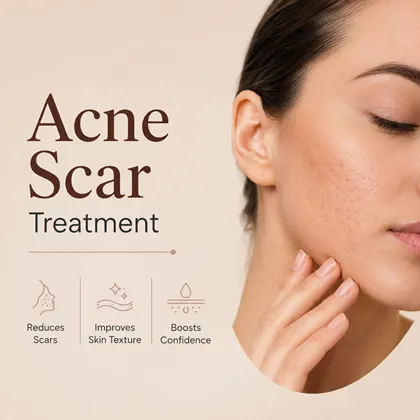
Many people expect acne to disappear after their teenage years, but breakouts can continue or begin during their 20s. Pimples, clogged pores, oily skin, and post-acne dark marks can affect both men and women during this stage of life. Changes in hormones, stress, skincare habits, and certain medications may contribute to persistent acne.
If you are searching for acne treatment in Islamabad, understanding why acne develops in your 20s can help you choose suitable products and determine when professional care may be necessary.
Why Does Acne Continue Into Your 20s?
Adult acne can develop for several reasons. Some people experience acne that began during adolescence, while others develop breakouts for the first time as adults.
1. Hormonal Fluctuations
Hormones influence the activity of sebaceous glands, which produce the oil that protects your skin. Changes in androgen activity can increase oil production and contribute to clogged pores.
Some women notice breakouts around their menstrual cycle. Persistent acne accompanied by irregular periods or increased facial hair may warrant medical assessment for an underlying hormonal condition.
2. Stress and Busy Schedules
Work, education, relationships, and other responsibilities can make stress management difficult. Stress may worsen existing acne in some people, although it is not the only cause.
Maintaining a consistent skincare routine, getting adequate sleep, and finding practical ways to manage stress may support overall skin health.
3. Skincare Products That Clog Pores
Heavy creams, oily cosmetics, and certain hair products may contribute to breakouts in susceptible individuals.
Choose products labelled non-comedogenic when possible. If you suspect a product is triggering acne, simplify your routine and introduce new products one at a time.
4. Inconsistent Skincare Habits
Frequently changing products, over-exfoliating, or skipping moisturizer because your skin is oily can make acne management more difficult.
A simple routine that you can maintain consistently is generally more useful than using many strong products at once.
5. Medications and Other Factors
Certain medications may contribute to acne-like breakouts. If acne begins after starting a medicine, discuss it with your healthcare professional rather than stopping prescribed treatment yourself.
Genetics, hormonal conditions, and other skin-related factors can also influence how long acne persists.
Common Types of Acne in Your 20s
Adult acne can appear in different forms, including:
-
Blackheads: Open clogged pores that appear dark.
-
Whiteheads: Closed pores that form small bumps.
-
Papules: Small, inflamed bumps.
-
Pustules: Inflamed pimples containing pus.
-
Nodules: Deep, painful lesions that may increase the risk of scarring.
Acne may appear on the forehead, cheeks, chin, jawline, back, and chest. Persistent bumps around the mouth or beard area can sometimes be caused by conditions other than acne, so an accurate assessment is important.
Best Treatments for Acne in Your 20s
The most appropriate treatment depends on your acne type, severity, skin sensitivity, medical history, and previous treatments.
1. Salicylic Acid
Salicylic acid helps loosen dead skin cells and unclog pores. It may be useful for blackheads, whiteheads, and mild acne.
Start with a product suited to your skin and follow its instructions. Using it too frequently can cause dryness or irritation.
2. Benzoyl Peroxide
Benzoyl peroxide helps reduce acne-causing bacteria and can be effective for inflammatory pimples. It is available in various wash-off and leave-on formulations.
It may cause dryness and can bleach fabrics. If you have sensitive skin, introduce it carefully and avoid combining too many irritating products.
3. Topical Retinoids
Topical retinoids, including adapalene, help prevent clogged pores and reduce new acne lesions. They are often used in long-term acne treatment plans.
Some people experience peeling, dryness, or temporary irritation when starting treatment. Gradual use and moisturizer may help improve tolerance.
Topical retinoids should be avoided during pregnancy and when trying to conceive unless a qualified clinician specifically advises otherwise.
4. Azelaic Acid
Azelaic acid may help manage acne and the dark marks left after pimples heal. It can be an option for people who experience both breakouts and uneven pigmentation.
Suitability varies by individual, and irritation is possible. Follow product directions or seek professional advice before introducing it alongside other active ingredients.
5. Prescription Treatments
If acne is persistent, widespread, painful, or scarring, a clinician may recommend prescription treatment. Depending on the situation, options can include topical combination medicines, oral medication, or other targeted therapies.
Oral isotretinoin may be considered for severe or treatment-resistant acne. It requires medical supervision and monitoring and must not be used during pregnancy.
How to Build a Skincare Routine in Your 20s
A straightforward routine can help keep your skin comfortable while treating acne.
Morning Routine
-
Wash your face with a gentle cleanser.
-
Apply an appropriate acne treatment if recommended.
-
Use a non-comedogenic moisturizer.
-
Apply broad-spectrum sunscreen with SPF 30 or higher.
Evening Routine
-
Cleanse to remove sunscreen, sweat, and daily impurities.
-
Apply your chosen acne treatment according to its instructions.
-
Use moisturizer to help prevent excessive dryness.
Introduce new active ingredients one at a time. Avoid harsh scrubs and frequent product changes, and allow adequate time to assess whether a treatment is working.
How to Prevent Acne Breakouts in Your 20s
Although acne cannot always be prevented, several habits can help reduce common triggers.
-
Cleanse gently twice daily and after heavy sweating.
-
Avoid squeezing or picking pimples.
-
Use non-comedogenic skincare and makeup products.
-
Wash makeup brushes regularly and remove makeup before bed.
-
Keep hair products away from acne-prone areas.
-
Change out of sweaty clothing after exercise.
-
Use sunscreen daily to help prevent dark marks from becoming more noticeable.
-
Follow a consistent treatment plan rather than switching products repeatedly.
-
Track recurring breakouts if they seem related to your menstrual cycle or particular products.
Diet does not cause every case of acne. If you notice a consistent relationship between a particular food and your breakouts, discuss it with a healthcare professional instead of adopting a restrictive diet unnecessarily.
How to Manage Acne Dark Marks and Scars
Acne may leave dark spots even after the pimples have healed. These are often caused by post-inflammatory hyperpigmentation and can be more noticeable in darker skin tones.
Daily sunscreen, appropriate topical ingredients, and controlling active acne may help prevent further marks and gradually improve existing pigmentation.
Indented or raised scars require a different approach. Depending on the type of scarring, a professional may discuss procedures such as microneedling, selected laser treatments, or other specialist options. Treatment should be chosen according to your skin tone, scar type, and medical history.
When Should You Seek Professional Acne Treatment?
Consider a professional assessment if:
-
Acne is painful, deep, or widespread.
-
Breakouts leave dark marks or permanent scars.
-
Acne continues despite consistent use of suitable products.
-
You develop persistent acne for the first time as an adult.
-
Acne occurs alongside irregular periods or other possible hormonal symptoms.
-
Your skin becomes severely irritated by acne products.
Early assessment can help identify the type of acne and reduce the risk of long-term scarring.
Acne Treatment in Islamabad at Incisions Clinic
If you are looking for acne treatment in Islamabad, you can contact Incisions Clinic to enquire about consultation options for persistent acne, clogged pores, oily skin, and post-acne marks.
An individualized treatment plan should consider your skin type, acne severity, medical history, and previous products or medications. Depending on your assessment, suitable care may involve topical treatments, prescription medicines, or selected procedures for acne scars.
There is no single treatment that works for everyone. Professional guidance can help you understand the available options and choose an approach suited to your concerns.
Frequently Asked Questions
Is acne normal in your 20s?
Yes. Acne can continue from adolescence or develop for the first time during adulthood. Hormones, genetics, medications, and skincare products may all contribute.
What is the best acne treatment for adults in their 20s?
Treatment depends on severity. Salicylic acid, benzoyl peroxide, and topical retinoids may help mild acne, while persistent or severe cases may require prescription treatment.
Why am I suddenly getting acne at age 25?
Possible reasons include hormonal changes, new skincare products, medications, stress, or an underlying skin condition. A clinician can help identify the likely cause.
How long does acne treatment take to work?
Many treatments require approximately 8–12 weeks of consistent use before their effectiveness can be assessed. The timeline depends on the product and severity of acne.
Can adult acne leave permanent scars?
Yes. Deep, inflamed acne can cause permanent raised or indented scars. Treating acne early and avoiding picking can help reduce this risk.
Can I use moisturizer if I have acne?
Yes. A suitable non-comedogenic moisturizer can help maintain the skin barrier and reduce dryness caused by acne treatments.
Conclusion
Acne during your 20s can be frustrating, but suitable skincare and targeted treatment can help manage breakouts and reduce the risk of scarring. Gentle cleansing, moisturizer, daily sunscreen, and consistent use of appropriate treatments are important foundations.
For people seeking acne treatment in Islamabad, contacting Incisions Clinic to enquire about a professional assessment may help clarify which treatment options are suitable for their skin.

 English
 Arabic
 French
 Spanish
 Portuguese
 Deutsch
 Turkish
 Dutch
Dutch
 Italiano
 Russian
 Romaian
 Greek
Greek
