


Which Industries Benefit from Rockv Stainless Steel Gate Valve Use
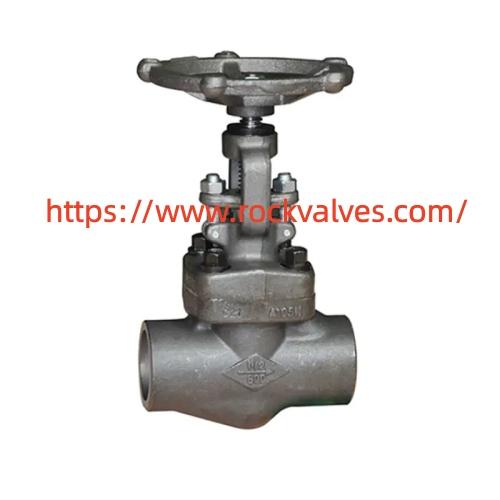
Stainless Steel Gate Valve selection begins with a clear review of the process fluid temperature pressure and cycle frequency before any other detail is fixed. Matching these conditions to body construction stem design and seat arrangement prevents early wear and keeps the isolation unit working as intended across varied plant duties.
The first step is to identify the fluid properties. Mild water or neutral solutions allow a standard chromium nickel alloy body while chloride rich or acidic streams call for molybdenum bearing grades that resist pitting. Temperature range must also be checked against the allowable limits of the chosen alloy and packing material so that expansion or contraction does not loosen seals. Pressure class follows next. Low pressure lines often use Class 150 or PN16 ratings while higher pressure systems require Class 300 or above. Confirming the rating against the maximum system pressure plus a safety margin avoids over stressing the body or bolting.
Connection style is another practical concern. Flanged ends suit large diameter pipes that need frequent inspection while threaded or socket weld ends save space on smaller lines. Rising stem designs give clear visual indication of position yet need extra headroom. Non rising stems fit tight spaces but rely on position indicators for confirmation. Outside screw and yoke construction keeps the threads away from the process fluid which helps in dirty or corrosive service.
Seat and wedge design also affect performance. Solid wedges handle high pressure and temperature swings well while flexible wedges accommodate minor body distortion. Metal to metal seats serve high temperature duties and soft seats give tighter shut off in lower temperature clean fluids. Actuation method depends on frequency of operation and remote control needs. Manual handwheels work for infrequent isolation while electric or pneumatic actuators support automated plant schemes.
Installation environment further narrows the options. Outdoor coastal sites benefit from coatings or higher alloy grades that resist salt spray. Indoor clean rooms or food grade lines may require polished surfaces and specific surface finish certificates. Maintenance access should be planned early. Bolted bonnets allow packing replacement without full removal while pressure seal bonnets suit higher pressure ratings and reduce leak paths.
Once the technical list is complete a short checklist helps final confirmation. Verify fluid compatibility temperature and pressure match. Confirm end connection and face to face dimension fit the existing pipe. Check stem and actuator orientation against available space. Review required certificates such as material test reports and pressure test records. Rockv supplies units built to these common industrial criteria so that the finished selection meets both process and site constraints without unnecessary redesign.
Proper selection reduces unplanned downtime and keeps the isolation unit ready for the next process cycle. Reviewing fluid data pressure class connection type and actuation needs in sequence produces a reliable match for chemical water treatment oil gas and power applications. For detailed product options and sizing support visit https://www.rockvalves.com/product/ where current ranges and technical data are available for direct review.

 Arabic
 French
 Spanish
 Portuguese
 Deutsch
 Turkish
 Dutch
Dutch
 Italiano
 Russian
 Romaian
 Portuguese (Brazil)
 Greek
Greek
