


Rhythm, Rage, and Reward: Getting the Most Out of Your First Geometry Dash Run
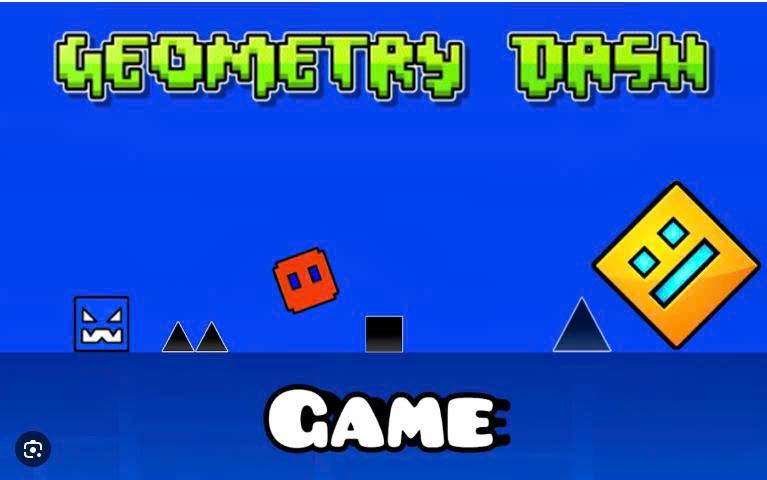
There is a particular kind of game that looks effortless from a distance and turns out to be anything but. You watch a short clip of a square hopping between spikes, think "that seems simple enough," and then spend the next twenty minutes dying to the same obstacle over and over. That gap between how a game looks and how it feels is exactly what makes this genre so addictive, and few titles capture it better than Geometry Dash.
If you have never touched it, or you have bounced off it because the difficulty seemed unreasonable, this guide is for you. We will walk through what the game actually asks of you, how a typical run unfolds, and a few habits that separate frustrated players from confident ones. No hype, no impossible promises — just a friendly look at how to enjoy something that is deliberately, beautifully difficult.
What you are actually signing up for
At its core, Geometry Dash is a rhythm-based platformer. Your character is a simple shape, usually a square or a cube, and it moves forward automatically. You do not control speed or direction. The only thing you control is when to jump. That single button — tap to leap, hold to keep leaping in certain modes — is the entire vocabulary of the game.
This sounds limiting until you realize how much can happen with one input. Levels are built around obstacles that appear in time with music: spikes, blocks, saw blades, moving platforms, portals that transform your shape mid-run. Some sections flip gravity. Others rocket you upward at high speed. A single level might switch between five different movement styles, and each switch demands a slightly different sense of timing.
The result is a game that feels less like traditional platforming and more like playing an instrument. The music is not background decoration; it is the actual blueprint. When a beat drops, something is about to happen on screen, and the players who succeed are the ones who stop reacting and start anticipating.
How a run plays out
Most levels follow a predictable rhythm of practice and payoff. You start, you die, you learn one small chunk of the map, and you try again. Early attempts are chaotic — you are memorizing as much as you are playing. Gradually, the chaos narrows. You stop dying at the first obstacle and start dying at the tenth. Then the thirtieth. Progress is measured in inches, and it is strangely satisfying.
The difficulty curve is notoriously steep, especially in the official levels that ramp up quickly. But there is a genius in the design: every death is fair. There are no random elements, no cheap hits you could not have avoided. When you fail, it is because your timing was off or your memory slipped. That fairness is what keeps people coming back, because it means improvement is entirely in your hands.
If you want to ease in, start with the earliest official levels rather than jumping into the hardest ones. They teach the fundamentals gently: a few jumps, a few spikes, a gravity flip. Once those feel natural, the game opens up considerably. There is also a large community library of player-made levels, ranging from beginner-friendly to genuinely brutal, which means there is almost always something at your skill level.
Tips that actually help
A few small adjustments make a big difference, and none of them require talent.
First, use practice mode. It exists for a reason. You can place checkpoints anywhere and rehearse a specific section until your fingers know it without conscious thought. Grinding the same ten seconds of a level fifty times is not cheating; it is exactly how skilled players operate.
Second, turn up the sound. Since levels sync to music, playing muted is like reading a map with your eyes closed. The beat tells you when to jump, and the better you internalize the track, the less you have to rely on visual reaction time.
Third, resist the urge to mash. Beginners often tap frantically when panicking, which usually causes more deaths than it prevents. Calm, deliberate input almost always beats desperate input.
Fourth, accept the grind. Some attempts will be wasted, some runs will end one pixel from the finish. That frustration is part of the deal. If you find yourself getting genuinely angry, step away, come back later. Fresh hands and a clear head solve problems that tired ones cannot.
Finally, celebrate small wins. Beating a section you have failed fifty times is a real accomplishment, even if the level is not finished. Treating those moments as progress keeps the experience enjoyable instead of exhausting.
Wrapping up
The appeal of this game is not that it is easy or relaxing. It is that it hands you a single button, a great soundtrack, and a wall of seemingly impossible obstacles, then quietly dares you to chip away at it. Somewhere between the tenth death and the first clean run, something clicks. You stop fighting the game and start moving with it.
So pick an easy level, turn the volume up, and give yourself permission to fail a lot. The reward is not just finishing a stage — it is the unmistakable feeling of watching your own reflexes sharpen in real time. And honestly, few things in gaming feel better than that.

 English
 Arabic
 French
 Spanish
 Portuguese
 Turkish
 Dutch
Dutch
 Italiano
 Russian
 Romaian
 Portuguese (Brazil)
 Greek
Greek
