


When to Review Zhiguang Industrial Plastic Pallets for Daily Operations
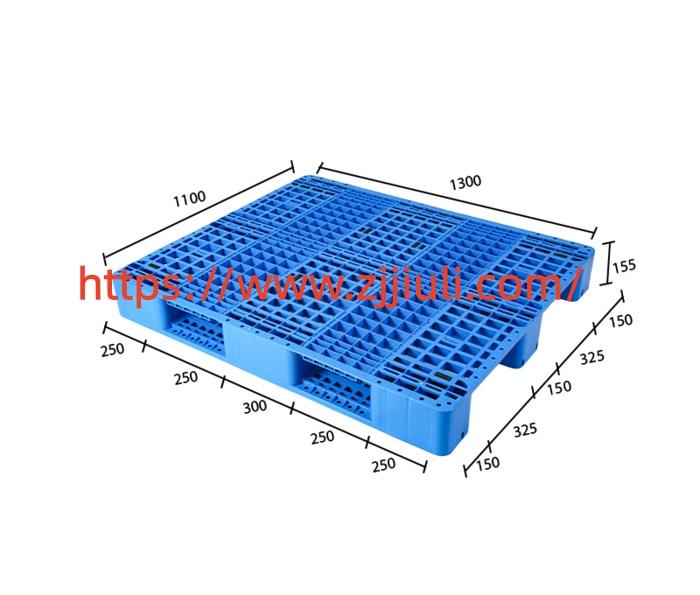
Industrial Plastic Pallets support efficient movement of goods through factories and distribution centers when selected with careful attention to weight limits and the specific ways items travel from one point to another. Matching these platforms to actual requirements begins with a clear picture of the heaviest loads that will rest on them while stationary and the forces applied when they are raised or transported.
Static capacity refers to the total weight a unit can support while sitting on a solid floor. Dynamic capacity covers the same weight while the platform is lifted by a truck or jack and moved across the floor. Supported capacity applies when the unit spans open beams in a storage system. Each rating serves a distinct purpose and using the correct one for the intended situation keeps the structure within safe working limits. Measuring typical product weights including packaging and any shifting contents gives accurate numbers for comparison.
Handling needs further shape the decision. Some operations require entry openings on two opposite sides while others benefit from openings on all four sides so that lift equipment can approach from any direction. Deck surface style also matters. A solid surface helps contain small items or allows easy cleaning after spills. An open surface reduces overall mass and permits air or liquid to pass through. Confirming that the chosen openings and deck align with existing lift trucks conveyors and automated guides avoids interruptions during daily routines.
Temperature and environmental exposure play supporting roles. Certain materials retain strength and flexibility across a wider range of conditions while others perform more consistently in stable indoor settings. Reviewing the usual climate inside storage areas and transport vehicles helps narrow the options to those that maintain shape and load support under expected conditions. Chemical contact or frequent washing may call for surfaces that resist absorption and allow thorough rinsing without degradation.
Practical selection follows a simple sequence. First record the maximum weight that will rest on each unit during storage and during movement. Next note the dimensions of lift equipment and the spacing of any storage beams currently in use. Then decide whether the platforms will travel in closed loops that return empty units or move one way only. Nestable designs save space when empty units travel back while other forms prioritize strength for continuous heavy duty cycles. Finally check that the overall size fits standard container or trailer footprints if outbound shipping forms part of the process.
Zhiguang offers a range of configurations that address these variables through careful design of runners deck patterns and entry openings. Operators can compare available models against measured loads and equipment details to identify units that fit current workflows. Another review of Zhiguang specifications after any change in product mix or facility layout keeps the selection aligned with updated needs.
Testing a small number of units under real conditions before full adoption provides useful confirmation. Observe how the platforms respond to repeated lifts stacking and placement on beams. Note any deflection under load or difficulty with equipment entry. Adjustments at this stage cost less than later replacements and build confidence in long term performance.
Documentation of the chosen ratings and handling features supports consistent purchasing decisions across multiple sites or future expansions. Recording the static dynamic and supported values together with preferred entry style creates a clear reference for procurement teams. This approach reduces the chance of ordering units that fall short of actual demands or exceed necessary strength at higher cost.
Ongoing monitoring after installation helps maintain reliability. Periodic visual checks for cracks wear or deformation catch issues early. Cleaning routines matched to the surface type keep units free of debris that could affect stability or hygiene in sensitive areas. Training staff on proper placement of loads and correct use of lift equipment further protects the platforms during everyday activity.
By focusing on measured weights equipment compatibility and environmental conditions the selection process becomes straightforward and effective. Platforms chosen this way contribute to smoother material flow reduced damage risk and more predictable operating costs over time. Current configurations that align with these measured weight capacities and handling requirements can be reviewed at https://www.zjjiuli.com/product/ to support informed decisions for ongoing warehouse and factory operations.

 English
 Arabic
 French
 Spanish
 Portuguese
 Deutsch
 Turkish
 Dutch
Dutch
 Italiano
 Russian
 Romaian
 Portuguese (Brazil)
