


What Should Buyers Ask mcwiper Before Placing Orders?
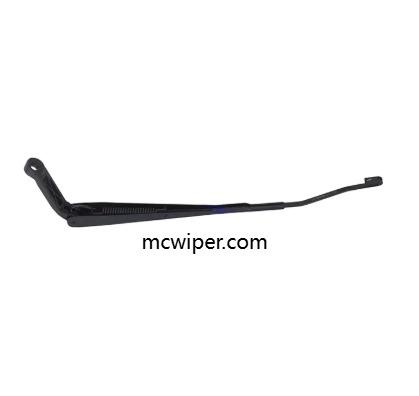
Windshield Wiper Blade Supplier selection requires more than comparing quotations and product catalogs. Automotive importers, wholesalers, distributors, and private-label businesses should also assess technical communication, product compatibility, customization options, and order coordination. A clear evaluation process helps buyers determine whether a manufacturer can meet their specifications and support their purchasing plans.
Identify Your Target Market and Product Requirements
Before contacting a manufacturer, define the intended vehicle applications and customer groups. Products sold through repair shops may require different packaging arrangements from those distributed through retail channels or private-label programs.
Vehicle compatibility is an important starting point. Different models may require different lengths, connection structures, mounting methods, and design configurations. Buyers should prepare vehicle information, reference numbers, technical drawings, or existing samples to explain their requirements.
For orders covering several vehicle categories, create a separate specification record for each item. Include dimensions, connection details, estimated quantities, and packaging preferences. Organized information gives the manufacturing team a practical basis for reviewing the request and preparing a quotation.
Buyers should also clarify the intended sales region. Local vehicle preferences, customer expectations, and packaging requirements may influence product planning. Sharing this information early helps both parties discuss relevant configurations before moving into sample preparation.
Examine Customization and Development Options
Customization may involve dimensions, connection designs, materials, labels, packaging, and other project-specific details. Buyers should ask which options are available and which requests require technical assessment.
A written project brief can make these discussions more productive. It should distinguish mandatory requirements from optional preferences and identify the intended application, order quantity, and target schedule. Photographs, drawings, and physical samples can provide additional guidance where written descriptions are insufficient.
It is also important to understand how design changes are handled. If a requested configuration differs from an existing model, the manufacturer may need to review feasibility before preparing a sample. Agreed changes should be recorded so that the purchasing team and production staff work from the same information.
For private-label projects, confirm artwork, barcode placement, language requirements, and carton details in advance. Early approval of these items can help reduce revisions after production planning has started.
Discuss Materials and Construction Details
Material selection should reflect the intended application and operating conditions. Buyers can ask about available rubber compounds, supporting components, surface finishes, and construction options relevant to the requested design.
If products are intended for areas with frequent rainfall, temperature fluctuations, or seasonal weather changes, communicate these conditions during the technical discussion. This helps the manufacturer review appropriate material options and clarify any application-specific considerations.
Written specifications are particularly useful for repeat purchasing. Records should identify relevant dimensions, connection details, material choices, and approved variations. When another order is placed, the purchasing team can refer to the documented version rather than relying on informal messages.
Where technical documents are available, compare them with the proposed sample. This allows buyers to identify differences before approving the configuration and helps establish a shared understanding of the requested product.
Review Inspection and Sample Approval Procedures
Quality checks help determine whether the proposed products match the agreed specifications. Depending on the design, relevant inspections may include dimensional measurements, connection checks, assembly review, appearance assessment, and finished-product verification.
Buyers should ask which characteristics are inspected and how acceptance criteria are established. It is also useful to clarify whether inspection records or supporting documents can be provided for review.
During sample evaluation, compare the item with the written requirements and record any concerns clearly. Photographs, measurements, and marked drawings can help explain requested adjustments. If revisions are necessary, confirm the updated details before authorizing bulk production.
Both parties should retain a record of the approved sample or specification. This creates a reference for subsequent orders and helps reduce uncertainty when product or packaging requirements change.
Compare Commercial Terms and Delivery Planning
A quotation should be reviewed alongside the complete purchasing arrangement. Buyers should confirm minimum order quantities, quotation validity, sample charges where applicable, packaging costs, payment terms, and shipping responsibilities.
Production timing also matters. Importers may need to coordinate stock arrivals with warehouse capacity, sales forecasts, or seasonal demand. Sharing estimated quantities and requested delivery dates gives the manufacturer more context for discussing scheduling.
Before confirming an order, check that the quotation covers all requested specifications. If customized labels, printed cartons, or other special requirements are excluded, clarify the additional costs and arrangements before approval.
Buyers should also agree on how revisions will be managed. Changes to quantities, product references, artwork, or shipping details can affect planning. Written confirmation helps both parties assess the impact before proceeding.
Build a Practical Process for Ongoing Orders
A purchasing relationship may involve repeat orders, updated specifications, additional vehicle applications, and changing market requirements. Buyers should consider how product records are maintained and how technical questions are handled over time.
Before beginning a project, establish the main contact person, document approval process, sample feedback method, and procedure for reporting product concerns. These arrangements help purchasing, technical, quality, and logistics teams work with consistent information.
A comparison sheet can help evaluate manufacturing partners using the same criteria: product range, customization options, inspection procedures, commercial terms, and delivery planning. This approach makes decisions easier to explain internally and keeps discussions focused on practical business requirements.For automotive businesses reviewing replacement products, mcwiper provides a starting point for discussing product options and manufacturing requirements. Visit https://www.mcwiper.com/product/ to review the available range and prepare an inquiry with vehicle applications, dimensions, estimated quantities, and packaging preferences.

 English
 Arabic
 French
 Spanish
 Portuguese
 Deutsch
 Turkish
 Italiano
 Russian
 Romaian
 Portuguese (Brazil)
 Greek
Greek
