


What Should Buyers Check Before Choosing a Butane Gas Cartridge Factory?
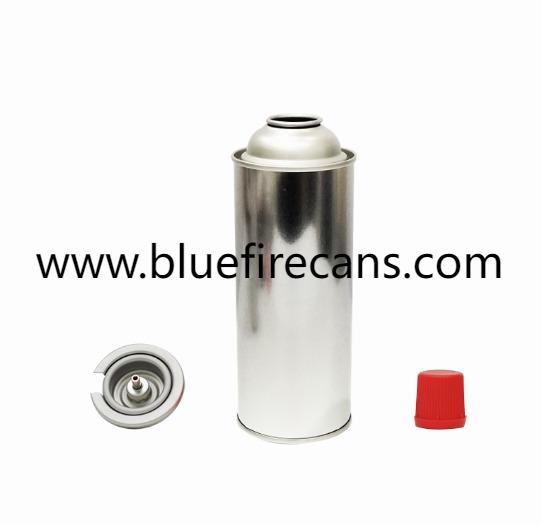
Butane Gas Cartridge Factory selection requires buyers to examine production capabilities, product specifications, quality procedures, packaging arrangements, and commercial terms before making a purchasing decision. For importers, wholesalers, and distributors, a structured assessment can help clarify business requirements, identify potential concerns, and establish a practical basis for communication with a prospective supplier.
Review Available Models and Production Capabilities
Before requesting a quotation, buyers should identify the product types and configurations relevant to their intended applications. Useful information includes available dimensions, capacity options, connection formats, packaging choices, and potential customization arrangements.
It is also worth asking which manufacturing stages are handled internally and whether external partners participate in particular operations. Understanding this structure helps purchasing teams clarify responsibilities and determine what information may be needed before approving an order.
Product catalogs, technical drawings, and sample information can help buyers compare available models with project requirements. If a product needs to work with specific equipment, compatibility should be verified through relevant technical details rather than visual similarity alone.
A written requirement sheet makes these discussions more efficient. It can list the requested model, essential specifications, estimated quantity, packaging preferences, and target delivery date, giving both parties a shared reference for the initial inquiry.
Examine Specifications Before Comparing Prices
Price comparisons are meaningful only when quotations cover comparable products. Buyers should confirm dimensions, capacity, connection design, material information, and other technical characteristics that affect suitability for the intended application.
If customization is required, ask whether the proposed changes affect tooling, sample approval, production timing, or the quoted cost. The supplier should clarify which requirements can be accommodated and which details need further technical review.
For orders involving multiple models, a comparison sheet can help purchasing teams organize specifications and identify differences between proposals. This is particularly useful when several departments must approve the same purchase.
Before confirming an order, ensure that the final quotation, approved sample, and written specifications refer to the same product configuration. Documenting these details helps reduce discrepancies between what was requested and what is delivered.
Request Information About Quality Management
Quality procedures deserve careful attention when evaluating a potential business partner. Buyers can ask how incoming materials are checked, how production stages are monitored, and what inspections take place before finished products are released.
Relevant documentation may include technical specifications, inspection records, material details, and applicable conformity documents, depending on the product design and destination market. Buyers should confirm that the available records correspond to the exact model under consideration.
Traceability is another useful subject for discussion. Ask how production batches are identified and how reported quality concerns are documented and investigated. Clear procedures help purchasing teams understand what information is available if questions arise after delivery.
Instead of relying solely on general promotional statements, request specific records that can be reviewed. A documented process provides a more practical basis for evaluating whether the supplier's arrangements align with the requirements of the planned purchase.
Check Packaging, Labeling, and Shipment Preparation
Packaging affects inventory control, product identification, storage organization, and shipment preparation. Buyers should clarify the available packaging formats, units per carton, carton dimensions, labeling options, and requirements for customized artwork.
Labeling should be reviewed before final approval. Depending on the destination market, relevant information may include product identification, business details, language requirements, and applicable warnings. Buyers should verify these details with the supplier and confirm the rules that apply to their market.
Transportation planning also requires attention. Pressurized flammable products may be subject to specific packaging, labeling, storage, and shipping requirements. Businesses should consult qualified logistics providers and relevant authorities before arranging transportation.
It is helpful to clarify who prepares shipping documents and who checks the required information. Agreeing on these responsibilities early can support a more organized dispatch process and reduce last-minute questions.
Understand Commercial Terms and Delivery Schedules
A quotation should be assessed as a complete commercial proposal rather than by unit price alone. Buyers should review minimum order quantities, sample charges, customization costs, packaging expenses, payment terms, and shipping responsibilities.
To compare proposals fairly, confirm that each supplier is quoting against the same specifications and requested services. Any exclusions should be identified before the purchasing team makes a decision.
Production schedules should also be discussed in advance. Buyers can provide estimated quantities and preferred delivery dates, then ask for a realistic schedule based on the proposed order. Businesses planning repeat purchases may also discuss forecast sharing and procedures for confirming future orders.
All agreed conditions should be recorded in writing. A clear record of specifications, quantities, pricing, packaging, and delivery arrangements gives both parties a common reference throughout the transaction.
Assess Communication and Ongoing Coordination
Clear communication helps buyers understand how a supplier manages inquiries and order requirements. During initial discussions, assess whether responses address technical questions directly, whether requested documentation is available, and whether commercial terms are explained clearly.
It is also useful to identify the person responsible for sample review, specification approval, packaging confirmation, production updates, and shipping documents. Defined responsibilities can make coordination easier when purchasing, warehouse, and logistics teams are involved.
Ask how changes are documented after an order is confirmed. Keeping a written record of approved adjustments helps ensure that the relevant teams follow the same instructions.For businesses reviewing available supply options, bluefirecans provides a starting point for discussing product specifications, packaging requirements, and order planning. Visit https://www.bluefirecans.com/ to review the company's product information and contact the team about the requirements of your next purchasing project.

 English
 Arabic
 French
 Spanish
 Portuguese
 Deutsch
 Turkish
 Dutch
Dutch
 Russian
 Romaian
 Portuguese (Brazil)
 Greek
Greek
