


Can Braces Correct Teeth That Lean Inward?
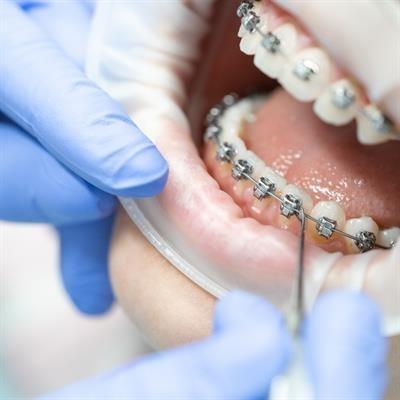
Teeth do not always develop in a perfectly straight position. Some may lean toward the tongue, while others can tilt toward neighboring teeth or the outer side of the dental arch. Even when the problem seems small, inward-leaning teeth can sometimes affect the appearance of the smile, cleaning routine, and relationship between the upper and lower teeth.
For people concerned about this type of alignment, Dental Braces in Islamabad may provide a possible orthodontic solution after a detailed dental assessment. Braces work gradually, allowing selected teeth to be guided toward more appropriate positions under professional supervision.
What Does It Mean When a Tooth Leans Inward?
An inward-leaning tooth is positioned at an angle rather than following the natural curve of the dental arch. This can happen with front teeth, premolars, or other teeth.
The degree of leaning can vary significantly. A tooth may be only slightly tilted or may sit considerably toward the inside of the mouth.
Sometimes the issue is easy to see when smiling. In other cases, it may mainly be identified during a dental examination.
Why Do Teeth Lean Inward?
Several factors may contribute to teeth developing in an unusual direction. Crowding is a common reason because teeth may compete for limited space within the dental arch.
Other possible influences include:
- Insufficient room in the dental arch
- Abnormal tooth eruption
- Jaw development
- Previous tooth loss
- Retained baby teeth
- Existing bite problems
- Natural differences in tooth and jaw size
- Previous orthodontic movement
Understanding the cause can help determine whether orthodontic treatment is appropriate.
How Can Braces Change Tooth Position?
Braces use controlled orthodontic forces to gradually influence the position of teeth. Brackets attached to the teeth work together with orthodontic wires to guide movement according to a planned treatment sequence.
When a tooth leans inward, the orthodontic plan may focus on improving its angle and position relative to the surrounding teeth. The movement must be carefully controlled because teeth are supported by bone and surrounding tissues.
The objective is not simply to push a tooth outward. The entire dental arrangement needs to be considered.
Can Braces Improve the Shape of the Dental Arch?
In some cases, correcting individual tooth positions can contribute to a more organized dental arch. When teeth are tilted or crowded, aligning them may create a more balanced appearance.
However, the treatment approach depends on the patient's existing arch shape and the amount of available space. Not every patient requires the same type of tooth movement.
This is why Dental Braces in Islamabad should begin with professional assessment and treatment planning rather than a one-size-fits-all approach.
Could Inward-Leaning Teeth Affect Cleaning?
Teeth that sit at unusual angles can sometimes make certain surfaces harder to reach with normal brushing. Crowding around an inward-leaning tooth may also create areas where food particles and plaque accumulate.
Good oral hygiene is particularly important when teeth are crowded or misaligned. Patients should carefully clean all tooth surfaces and follow their dentist's recommendations.
During orthodontic treatment, additional attention may be needed because brackets and wires can create extra areas that require cleaning.
Does Tooth Position Affect the Bite?
The position of individual teeth can influence how the upper and lower dental arches meet. A significantly tilted tooth may have an unusual contact with an opposing tooth.
Orthodontic treatment often considers these relationships rather than focusing solely on the visible appearance of the smile.
A professional assessment can identify whether an inward-leaning tooth is contributing to a broader bite or alignment concern.
What Is Checked Before Treatment?
Before braces are recommended, a dental professional generally evaluates the teeth, gums, bite, and supporting structures. Depending on the situation, photographs, dental X-rays, or other diagnostic records may be useful.
These assessments help determine how much movement may be needed and whether there are any dental problems that should be addressed before orthodontic treatment.
At Enfield Royal Clinic in Islamabad, patients can discuss concerns about tilted or inward-positioned teeth and learn more about possible orthodontic approaches following an individual assessment.
Are Braces Possible for Adults?
Adults can also receive orthodontic treatment when their oral health and dental structures are suitable for tooth movement. Being an adult does not automatically rule out braces.
However, adult patients may have previous fillings, crowns, missing teeth, gum concerns, or other dental conditions that need to be considered during planning.
A proper examination can help determine whether orthodontic treatment is appropriate and what approach may be suitable.
What Should Patients Expect During Treatment?
Orthodontic treatment generally takes place over multiple appointments. The dental professional monitors tooth movement and may make adjustments to the braces as treatment progresses.
Patients may notice gradual changes rather than immediate results. Orthodontic movement is intentionally controlled and takes time.
Regular appointments are important because they allow the treatment team to evaluate progress and modify the plan when necessary.
How Should You Care for Braces?
Patients wearing braces should maintain consistent oral hygiene. Brushing carefully around brackets and wires can help keep the teeth clean throughout treatment.
It is also useful to follow dietary and appliance-care instructions provided by the dental professional. Certain hard or sticky foods may damage orthodontic components.
If a bracket becomes loose or a wire causes discomfort, the orthodontic team should be contacted rather than attempting to make major adjustments independently.
What Happens When the Teeth Are Straightened?
Once the active phase of orthodontic treatment is complete, retainers may be recommended. Retainers help support the new positions of the teeth because teeth can naturally shift after braces are removed.
The type of retainer and recommended wearing schedule depend on the individual case. Following professional instructions is important for maintaining the alignment achieved through treatment.
Is Braces Treatment Suitable for Inward-Leaning Teeth?
Not every inward-leaning tooth requires braces. The decision depends on the severity of the tilt, available space, bite relationship, gum health, and overall dental condition.
If you notice a tooth leaning toward the inside of your mouth, overlapping another tooth, or sitting outside the normal dental curve, a professional examination can provide a clearer understanding of the problem.
For individuals considering Dental Braces in Islamabad, consulting with the team at Enfield Royal Clinic in Islamabad can help identify the alignment issue and explore appropriate orthodontic options.

 English
 Arabic
 French
 Spanish
 Portuguese
 Deutsch
 Turkish
 Dutch
Dutch
 Russian
 Romaian
 Portuguese (Brazil)
 Greek
Greek
