


Understanding ATEX Robot Arm Technology in UK Industrial Environments
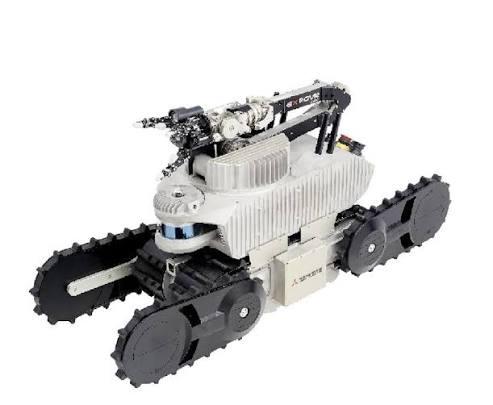
An ATEX Robot Arm is a specialised robotic system designed for industrial environments where explosive gases, vapours, mists, or combustible dust may be present. Unlike conventional robotic equipment, it is developed with hazardous-area requirements in mind, including protection against potential ignition sources, controlled surface temperatures, and suitable electrical and mechanical construction. In the UK, the selection of an ATEX Robot Arm requires consideration of the hazardous zone, materials involved, operating conditions, equipment category, and applicable certification. Such robotic systems may be used for material handling, inspection, machine tending, assembly, packaging, and other repetitive industrial processes. Proper installation, inspection, maintenance, and operational procedures are important for maintaining safe performance in hazardous environments. Understanding the relationship between robotic design and hazardous-area classification allows industrial operators to determine whether an ATEX Robot Arm is appropriate for a particular application and operating environment.
Introduction
An ATEX Robot Arm is a robotic system designed for industrial environments where potentially explosive atmospheres may be present. In the UK, industries that handle flammable gases, vapours, liquids, or combustible dust may require equipment that meets specific explosion-protection requirements. Robotic arms used in these environments must therefore be designed with safety, operational reliability, and hazardous-area classification in mind.
Unlike standard industrial robots, an ATEX Robot Arm is developed for applications where ignition risks need to be carefully controlled. Its design can involve protected electrical components, suitable mechanical construction, controlled surface temperatures, and other safety measures. Understanding how these systems work helps industries evaluate their suitability for hazardous production areas.
What Is an ATEX Robot Arm?
An ATEX Robot Arm is an automated robotic arm intended for use in areas where explosive atmospheres could occur. The term ATEX relates to European requirements concerning equipment and protective systems intended for use in potentially explosive atmospheres.
A robotic arm operating in such conditions must be assessed according to the hazards present in its working environment. Potential ignition sources can include electrical sparks, excessive surface temperatures, mechanical friction, or static electricity.
The design of an ATEX Robot Arm therefore focuses on reducing or controlling these risks while allowing automated movement and handling tasks to continue.
Why Hazardous Areas Require Special Robotic Equipment
Many industrial processes involve substances that can create combustible atmospheres. Examples include chemical processing, pharmaceutical manufacturing, oil and gas operations, paint and coating facilities, and certain food-processing environments where combustible dust may occur.
In these settings, ordinary robotic equipment may not be suitable because electrical or mechanical components can potentially become ignition sources.
An ATEX Robot Arm is designed with hazardous-area requirements in consideration. Its construction can help limit ignition risks while maintaining the controlled movement required for industrial automation.
Key Features of an ATEX Robot Arm
The exact construction of an ATEX Robot Arm depends on its intended application and hazardous-area classification. Several features may be important when selecting or designing such equipment.
Explosion Protection
Explosion protection is one of the main considerations. Components may require specific protective methods to prevent electrical or mechanical faults from creating an ignition source.
Temperature Control
Surface temperature is another important factor. Equipment operating in hazardous areas must remain within appropriate temperature limits for the substances present. An ATEX Robot Arm may therefore use components and operating conditions designed to control heat generation.
Protected Electrical Components
Motors, sensors, cables, connectors, and control components can require suitable protection depending on the hazardous zone. The electrical architecture is therefore an important part of the overall robotic system.
Mechanical Safety
Mechanical movement can generate heat, friction, or static electricity. The construction of an ATEX Robot Arm needs to account for these possible ignition sources while maintaining accurate and repeatable movement.
Applications of ATEX Robot Arms
An ATEX Robot Arm can be considered for different automated processes in hazardous industrial environments. Typical applications may include material handling, inspection, machine tending, assembly, packaging, and controlled transfer operations.
In chemical facilities, robotic equipment can reduce the need for workers to perform repetitive tasks close to potentially hazardous substances. In coating and painting environments, automation can also support consistent movement while keeping personnel further away from hazardous processes.
The specific application depends on the robot's certification, environmental requirements, payload, reach, movement characteristics, and the classification of the working area.
ATEX Zones and Equipment Selection
Hazardous areas are commonly divided into zones according to the likelihood and duration of an explosive atmosphere being present. Gas, vapour, and mist hazards are classified differently from combustible-dust hazards.
For an ATEX Robot Arm, the relevant equipment category and protection method must correspond with the intended hazardous area. Equipment should not be selected simply because it is described as explosion-resistant.
The zone classification, substance characteristics, temperature requirements, and operating conditions all need to be considered before installation.
Importance of Certification and Compliance
Certification is an important consideration when using an ATEX Robot Arm in a hazardous environment. Equipment documentation should identify the applicable protection requirements and the conditions under which the equipment can safely operate.
In the UK, businesses also need to consider workplace safety obligations and relevant hazardous-area requirements. Proper assessment helps determine whether robotic equipment is appropriate for a particular installation.
Documentation, inspection procedures, maintenance requirements, and installation instructions should be reviewed before the robotic system is placed into operation.
Maintenance Considerations
Regular maintenance is important for maintaining the safety and performance of an ATEX Robot Arm. Components such as seals, cables, connectors, protective enclosures, joints, and sensors may require periodic inspection.
Maintenance should follow the equipment manufacturer's specified procedures and the requirements of the hazardous-area installation. Unapproved modifications can potentially affect the protection characteristics of the robotic system.
Operators and maintenance personnel should also understand the relevant safety procedures before working on equipment installed in a potentially explosive atmosphere.
Benefits of Automation in Hazardous Environments
An ATEX Robot Arm can support automation while reducing the amount of routine human activity required in hazardous locations. Robots can perform repetitive movements with consistent positioning and controlled operating cycles.
Automation may also help separate workers from certain processes involving hazardous substances. However, the presence of a robotic system does not remove the need for appropriate risk assessments, safety procedures, monitoring, and human oversight.
Conclusion
An ATEX Robot Arm is designed for industrial automation where potentially explosive atmospheres create additional equipment requirements. Its suitability depends on factors such as hazardous-area classification, protection methods, temperature limitations, electrical construction, mechanical design, and certification.
For UK industrial applications, selecting the appropriate robotic equipment requires careful consideration of the operating environment and applicable safety requirements. When correctly specified and maintained, an ATEX Robot Arm can provide controlled automation for processes where conventional robotic equipment may not be suitable.

 Arabic
 French
 Spanish
 Portuguese
 Deutsch
 Turkish
 Dutch
Dutch
 Italiano
 Russian
 Romaian
 Portuguese (Brazil)
 Greek
Greek
