


How to Choose the Right Couch Covers and Cushion Covers for a Stylish and Comfortable Home
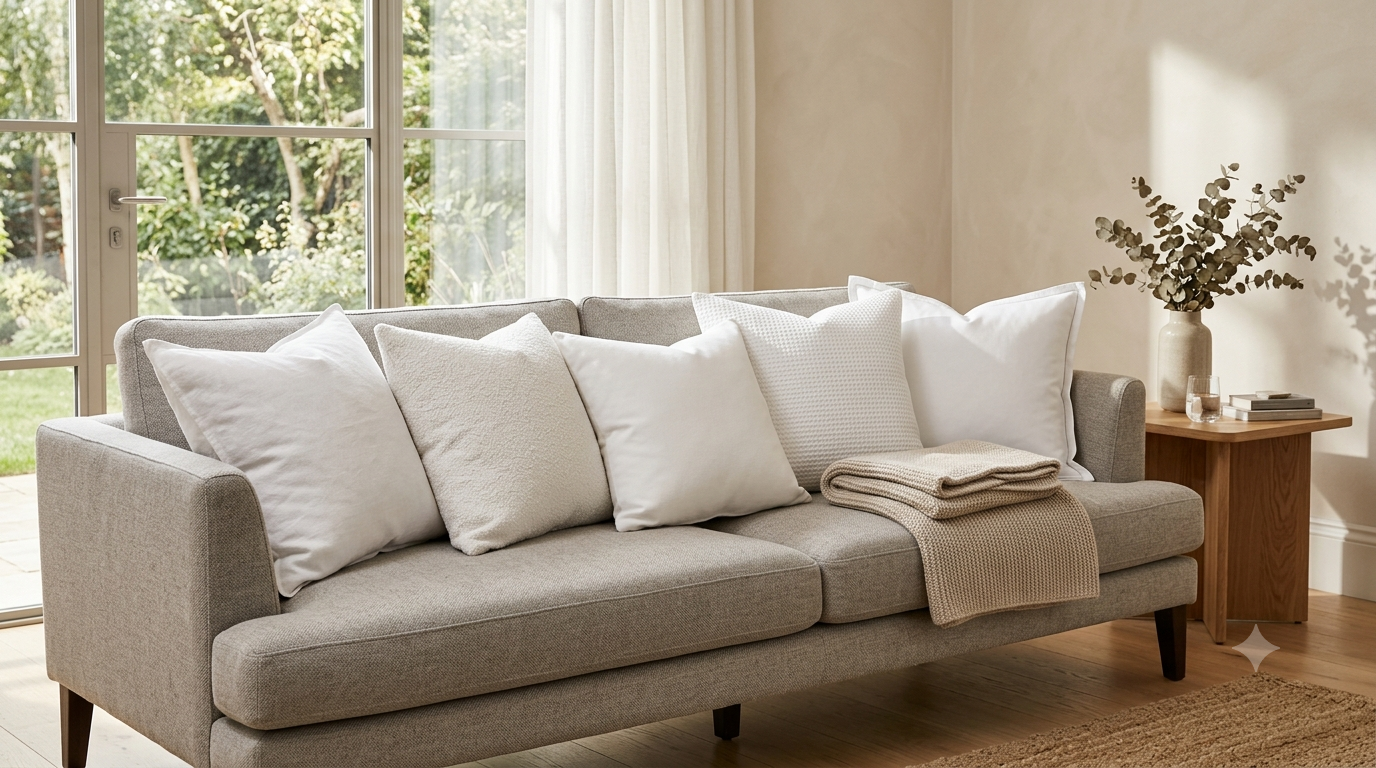
A couch is often the centerpiece of a living room. It is where people relax after a long day, welcome guests, read, watch movies, or spend time with family. Because sofas receive so much everyday use, the right couch covers and cushion covers can make a significant difference in both comfort and appearance.
Beyond protecting furniture from everyday wear, fabric covers offer an easy way to refresh a room without replacing an entire sofa. Cotton brings softness and practicality, while linen adds a relaxed, natural character. Meanwhile, cushion covers make it simple to introduce color, texture, and pattern.
Whether you are decorating a new home or updating an existing living room, choosing the right combination of materials, colors, patterns, and sizes can help create a space that feels comfortable and thoughtfully designed.
Why Choose Fabric Couch Covers?
Fabric couch covers are a practical option for homeowners who want to protect their furniture while changing the look of their living space. A well-chosen cover can help shield upholstery from everyday dust, spills, pet hair, and general use.
One of the biggest advantages of removable couch covers is flexibility. Instead of committing to the original appearance of a sofa for years, you can change the cover when you want a different look or seasonal style.
Natural-fabric couch covers are particularly appealing because cotton and linen offer a comfortable, breathable feel and work well with a variety of interior styles.
When choosing a cover, consider:
- The existing color and design of your sofa
- How frequently the couch is used
- Whether you need a washable cover
- The size and shape of the furniture
- Your preferred interior design style
- How much maintenance you are comfortable with
A simple neutral couch cover can create a versatile foundation, while decorative cushion covers can provide opportunities to introduce more personality.
Benefits of a Cotton Couch Slipcover
Cotton is one of the most practical choices for everyday home textiles. It has a familiar, soft feel and can complement both traditional and contemporary interiors.
A cotton couch slipcover can be particularly useful for households where the sofa receives regular use. Depending on the construction and care instructions, removable cotton covers can be easier to clean than fixed upholstery.
Why Cotton Works Well for Sofas
Cotton couch covers offer several practical qualities:
- Soft texture: Cotton has a comfortable feel that works well in relaxed living spaces.
- Versatility: It pairs easily with different colors, patterns, and decorative styles.
- Everyday practicality: Many cotton fabrics can be washed according to their care instructions.
- Natural appearance: Cotton can create a warm and approachable look.
- Easy styling: Cotton works with everything from minimalist interiors to farmhouse-inspired rooms.
When selecting a cotton sofa cover, pay attention to the fabric weight and construction. A lightweight fabric may provide a casual appearance, while a heavier fabric can offer a more structured look.
Most importantly, check the manufacturer's washing instructions before purchasing. Different cotton fabrics can respond differently to washing, drying, and heat.
How to Choose the Best Linen Couch Covers
Linen has become a popular choice for interiors because of its natural texture and relaxed appearance. Unlike fabrics that look highly uniform, linen often has subtle variations in texture that contribute to its character.
The best linen couch covers are not necessarily the thickest or most expensive options. The right choice depends on the look, comfort, fit, and maintenance requirements of your particular living room.
What to Look for in Linen Sofa Covers
Start by considering the weave and overall fabric feel. A linen cover with a relaxed texture can suit casual or coastal interiors, while a cleaner, more structured finish may work better in contemporary spaces.
Color is equally important. Natural, beige, cream, gray, and other muted shades can create a calm foundation for a living room. If the sofa is already visually prominent, a neutral linen cover can help balance the space.
Linen can also work particularly well with other natural materials. Pairing a linen sofa cover with wooden furniture, woven baskets, cotton throws, or textured rugs can create a cohesive and comfortable atmosphere.
For homeowners exploring natural-fabric options, collections from All Cotton and Linen can be a useful place to explore cotton and linen home textiles.
Styling Your Living Room With White Cushion Covers
Cushions may be smaller than a sofa, but they can have a noticeable effect on the overall appearance of a room. White cushion covers are especially versatile because they can make a seating area look fresh, clean, and visually balanced.
White works particularly well with neutral couch covers. For example, a beige linen sofa paired with white cushions can create a soft, understated look. Similarly, white cushions can provide contrast against darker gray, navy, green, or brown seating.
However, white also requires practical consideration. If you have children, pets, or a frequently used sofa, removable and washable cushion covers can be especially useful.
Instead of using only one shade of white, you can introduce subtle differences through texture. Combining smooth cotton with textured linen, for example, creates visual interest without relying on strong colors.
Add Personality With Striped Cushion Covers
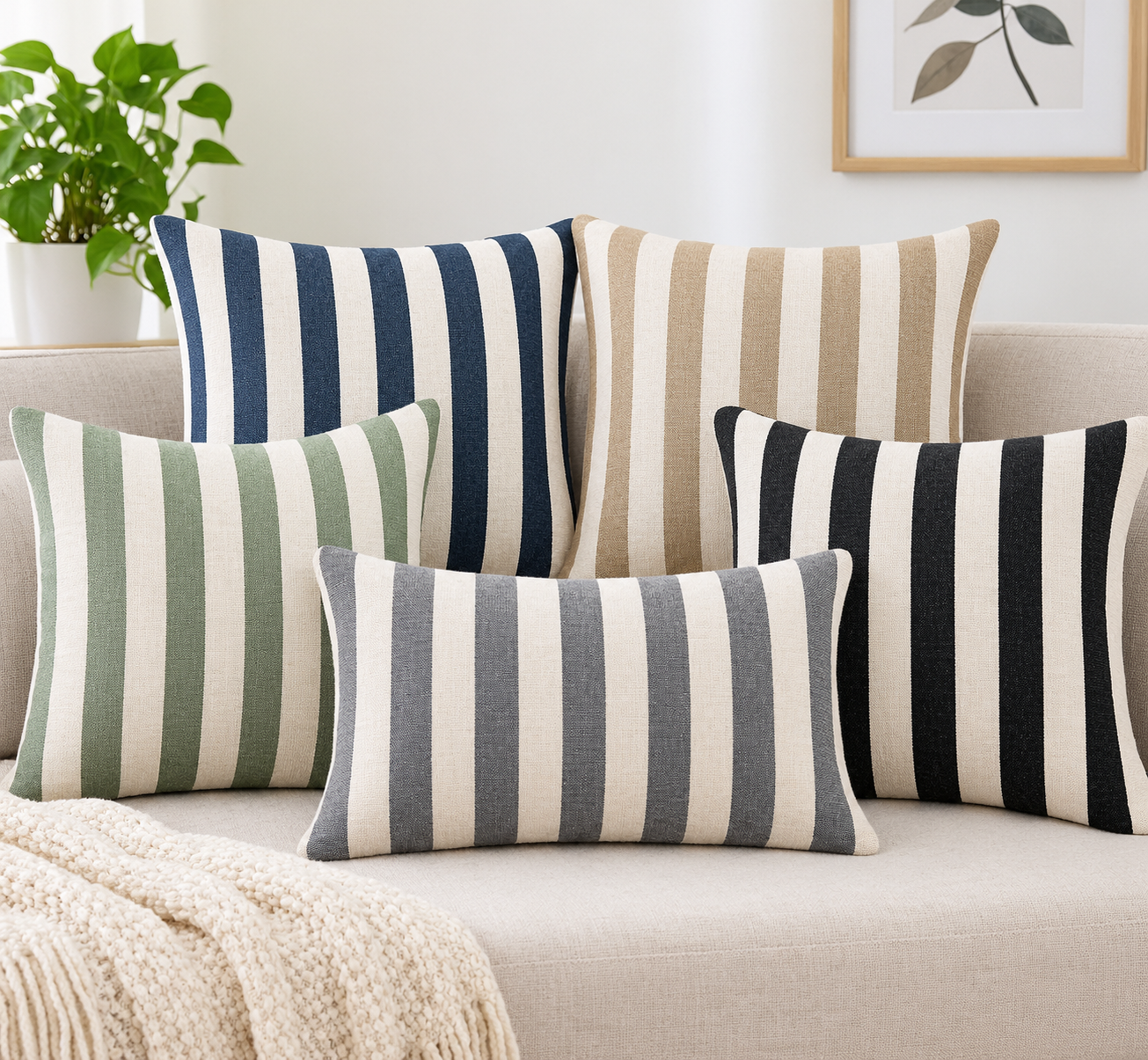
If plain cushions feel too simple, striped cushion covers can introduce pattern without overwhelming the room.
Stripes are highly adaptable. Narrow stripes can create a more refined appearance, while wider stripes can feel more casual and noticeable. Depending on the colors, striped cushions can complement coastal, farmhouse, traditional, Scandinavian, or modern interiors.
The key is to avoid making every element compete for attention.
If your couch cover has a strong texture or pattern, choose relatively simple stripes. If the sofa cover is plain, striped cushions can become one of the room's main decorative details.
You can also combine striped cushions with solid-colored cushions. For example:
- Neutral linen couch + white cushions + subtle blue stripes
- White cotton couch cover + beige cushions + brown stripes
- Gray sofa cover + cream cushions + charcoal stripes
- Natural linen sofa + white cushions + muted green stripes
This approach creates variety while maintaining visual harmony.
How to Mix Couch Covers and Cushion Covers
A successful combination does not require every piece to match exactly. In fact, using slightly different colors and textures often produces a more natural result.
Start with the couch cover as the foundation. Then select cushion covers that complement rather than duplicate its color.
A useful approach is the 60-30-10 principle: allow the dominant color to occupy most of the visual space, use a secondary color for supporting elements, and introduce a smaller accent color through cushions or accessories.
For example, a neutral linen couch could serve as the dominant element. White cushions could provide a secondary layer, while striped cushions introduce a subtle accent.
Texture can also replace color as a source of contrast. A plain cotton sofa cover paired with textured linen cushion covers may look interesting even when both use neutral colors.
When building a layered look, consider exploring complementary home textile collections such as couch covers and cushion covers together rather than choosing every piece independently.
Important Factors to Consider Before Buying
Choosing the right covers involves more than selecting an attractive color. Consider these practical factors before making a purchase.
Fabric
Cotton and linen are both popular natural-fiber choices, but they have different visual and tactile characteristics. Think about whether you prefer a softer, familiar cotton feel or the distinctive texture of linen.
Size and Fit
Measure your sofa carefully before purchasing a cover. Check the overall width, seat depth, arm dimensions, and back height where relevant.
A cover that is too small may not sit properly, while an oversized cover can look untidy. Always compare your measurements with the product's sizing information.
Color
Choose a color that works with your walls, flooring, curtains, rugs, and existing furniture. Neutral colors offer flexibility, while deeper or brighter shades can create a stronger focal point.
Pattern
Patterns should complement the rest of the room. If you already have patterned curtains or rugs, simpler cushion covers may create better balance.
Comfort
The fabric will be in regular contact with your body, so texture matters. Consider whether you prefer a smooth, soft surface or a more textured natural-fabric finish.
Durability
Think about how frequently the sofa is used. A formal sitting room may require different fabric priorities from a family room that is used every day.
Care and Maintenance
Always check washing and drying instructions. A beautiful cover that requires complicated maintenance may not be the most practical choice for your household.
How to Care for Cotton and Linen Couch Covers
Proper care can help maintain the appearance and usability of fabric covers.
Before washing, check the manufacturer's instructions. Some fabrics may require cold or gentle washing, while others may have specific drying recommendations.
Avoid using excessive heat unless the care label specifically permits it, as heat can contribute to shrinkage or changes in fabric shape.
For everyday maintenance:
- Vacuum or gently brush away loose dust and debris.
- Treat spills promptly according to the fabric's care instructions.
- Wash removable covers as recommended by the manufacturer.
- Avoid harsh cleaning products unless they are specifically suitable for the fabric.
- Make sure covers are completely dry before putting them back on the furniture.
- Store seasonal covers in a clean, dry place when they are not being used.
Regular care is especially important for lighter-colored fabrics such as white cushion covers.
Choosing Covers for Different Interior Styles
The right combination of couch and cushion covers can reinforce the design style of your home.
Minimalist: Choose neutral cotton or linen covers with simple white cushions and limited patterns.
Coastal: Natural linen, soft blues, whites, and subtle stripes can create a relaxed coastal atmosphere.
Farmhouse: Cotton covers, muted colors, and classic striped or textured cushions can complement rustic furniture.
Modern: Try a clean-lined sofa cover in gray, cream, or another neutral shade with cushions featuring simple geometric patterns.
Bohemian: Layer different textures, earthy colors, and varied cushion patterns while keeping a consistent color palette.
For a coordinated bedding and home-textile look, you can also explore related natural-fabric products such as linen bedding and linen pillowcases when extending the same design language into bedrooms.
Creating a Comfortable and Stylish Living Room
A well-designed living room does not have to rely on expensive furniture or complicated decorating techniques. Sometimes, relatively simple changes can have a meaningful visual impact.
Start with a practical couch cover that suits your lifestyle. Cotton can be an excellent choice for a relaxed everyday environment, while linen offers a naturally textured and sophisticated appearance. From there, use cushion covers to add layers of color, texture, and pattern.
White cushions can brighten a neutral seating area, while striped designs can introduce personality without dominating the room. The goal is not to make every item identical but to create relationships between colors, textures, and patterns.
Before buying, consider how the covers will look together, how often they will be used, and how easily they can be maintained. This approach helps ensure that your living room remains both attractive and functional.
Conclusion
Choosing the right couch covers and cushion covers is ultimately about finding a balance between style, comfort, durability, and practicality. Cotton offers a versatile and familiar option for everyday spaces, while linen brings natural texture and a relaxed aesthetic.
A well-fitted cotton couch slipcover can refresh a sofa while providing practical protection. Meanwhile, the best linen couch covers can give a living room a refined yet comfortable appearance. Adding white cushion covers can create a clean foundation, while striped cushion covers can bring pattern and personality into the space.
By considering fabric, fit, color, pattern, comfort, durability, and care requirements before buying, you can create a living room that feels welcoming and reflects your personal style. For those interested in natural-fabric home textiles, All Cotton and Linen offers another place to explore options for creating a comfortable and cohesive home.

 English
 Arabic
 French
 Spanish
 Portuguese
 Deutsch
 Turkish
 Dutch
Dutch
 Italiano
 Russian
 Romaian
 Portuguese (Brazil)
