


Choosing the Right Reusable Fabric Bag for Every Shopping Need
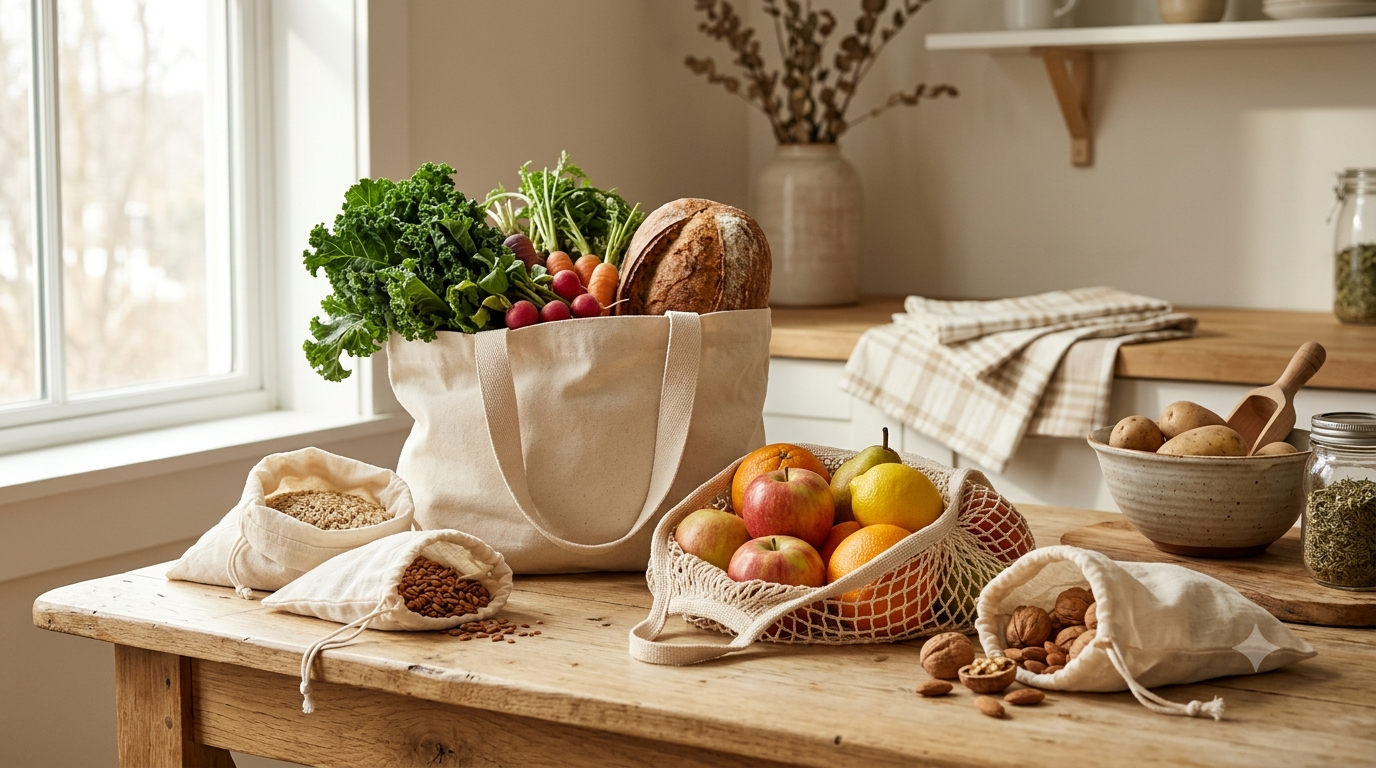
Sustainable shopping does not have to be complicated. One of the easiest ways to make everyday errands more environmentally conscious is to replace disposable bags with practical fabric alternatives. From weekly grocery trips to farmers’ markets and everyday storage, the right reusable bag can make shopping more organized while reducing dependence on single-use packaging.
Today, shoppers have more choices than ever, including cotton grocery bags, lightweight produce bags, mesh options, and versatile totes. Understanding how each type works can help you create a reusable system that fits your routine rather than simply collecting bags that rarely get used.
Why Reusable Bags Are Practical for Everyday Shopping
Reusable bags are designed to become part of a regular routine. Instead of accepting a disposable bag every time you shop, you can keep a small selection of washable fabric bags ready for different purposes.
Durability is one of the biggest advantages. A well-made cotton bag can be used repeatedly for groceries, clothing, books, household items, or other everyday purchases. Fabric bags can also be folded or stored when they are not needed, making them convenient for keeping in a car, entryway, pantry, or cupboard.
Another benefit is organization. Using different bags for different shopping needs makes it easier to separate produce, dry goods, heavier groceries, and smaller items.
Matching the Bag to the Shopping Task
Not every reusable bag needs to serve the same purpose. Choosing bags according to the type of shopping you do can make your routine much easier.
Reusable Shopping Bags for Weekly Groceries
For larger grocery trips, Reusable Shopping Bags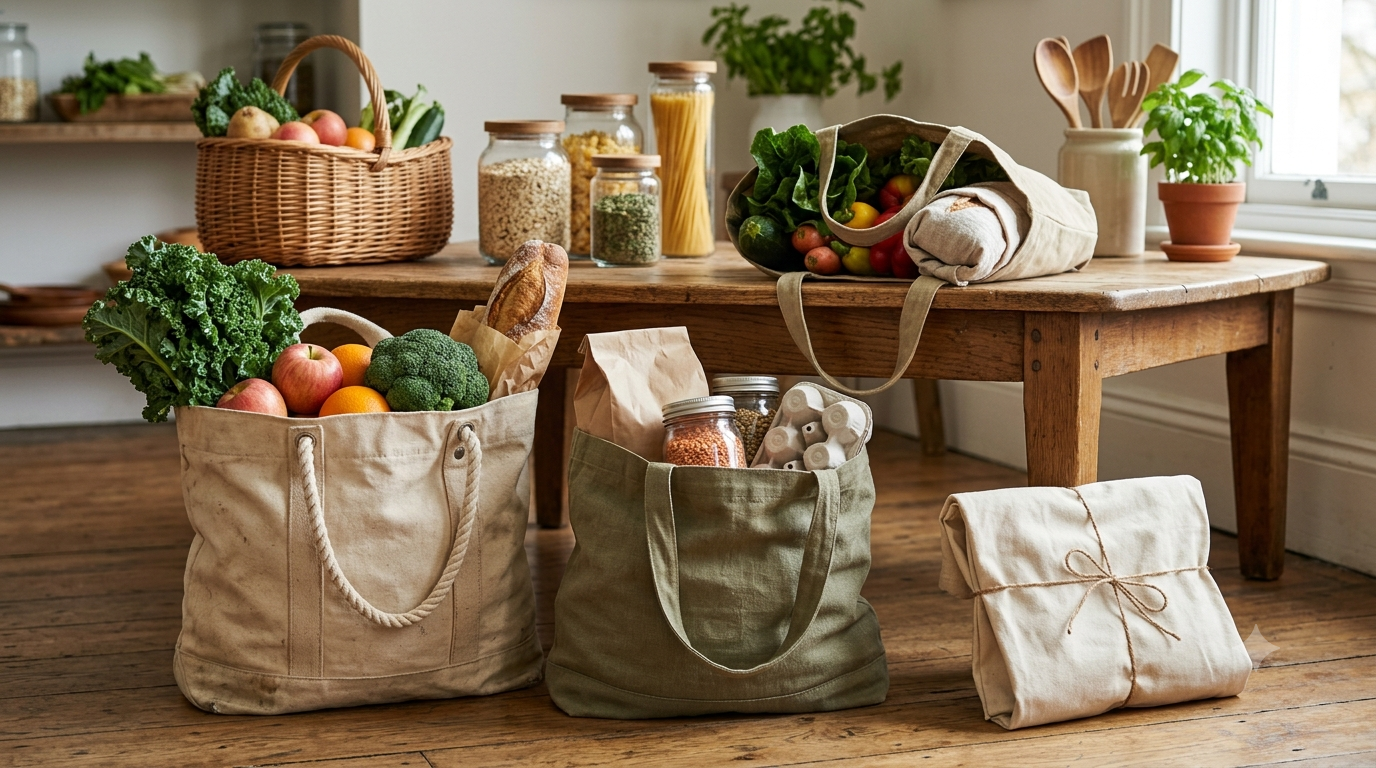 are useful because they can carry multiple items in one trip. Look for strong handles, durable stitching, and enough capacity for the products you normally purchase.
A structured cotton shopping bag can be particularly useful for heavier pantry items, packaged foods, and household essentials. Keeping several bags together near the door can also make it easier to remember them before leaving for the store.
Muslin Bags for Lightweight and Produce Items
Muslin Bags are lightweight fabric bags that can be useful for fruits, vegetables, grains, snacks, and other smaller items. Their simple construction makes them easy to fold and carry.
They can also be useful beyond grocery shopping. At home, muslin bags can hold small accessories, craft supplies, travel essentials, or other loose items that benefit from being kept together.
When selecting muslin bags, consider the size and drawstring quality. A secure closure helps keep smaller products contained while allowing the bag to remain easy to open and close.
Mesh String Bags for Produce and Market Shopping
For shoppers who regularly visit farmers’ markets or buy fresh produce, Mesh String Bags offer another practical option. Their open structure allows shoppers to see what is inside without constantly opening the bag.
Mesh bags are particularly convenient for fruits and vegetables because they can be separated by type. For example, one bag can hold apples, another leafy vegetables, and another smaller produce items.
Their lightweight design also makes them easy to keep inside a larger shopping bag. This means you can carry several produce bags without adding much bulk to your everyday shopping setup.
The Versatility of a Tote Bag
A Tote Bag is one of the most adaptable reusable options. Unlike bags designed specifically for produce, a tote can work across many situations.
A durable tote can be used for grocery shopping, library visits, work essentials, casual errands, farmers’ markets, or weekend activities. Its open design makes it easy to load and unload larger objects.
When choosing a tote, pay attention to handle length and construction. Longer handles can make the bag comfortable to carry over the shoulder, while reinforced stitching can help it handle regular use.
A neutral-colored cotton or canvas tote can also transition easily between different parts of your daily routine without looking out of place.
Building a Simple Reusable Bag System
Instead of buying many different bags without a plan, create a small system based on your regular activities.
For example, you might keep:
-
Two or three larger bags for weekly groceries
-
Several lightweight bags for fruits and vegetables
-
A few muslin bags for smaller products
-
One or two totes for everyday errands
-
A dedicated set of bags for farmers’ market visits
Keeping each type in a predictable location can make the habit easier to maintain. Some people prefer storing shopping bags near the front door, while others keep them in the car or beside reusable kitchen supplies.
The goal is convenience. If reusable bags are difficult to find when you need them, it becomes easier to forget them.
Caring for Fabric Shopping Bags
Proper care can help reusable fabric bags remain useful for longer. Since shopping bags may come into contact with food, packaging, and outdoor surfaces, regular cleaning is important.
Always check the care instructions for the particular fabric and construction. Some cotton bags can be machine washed, while others may benefit from gentle washing and air drying.
Allow bags to dry completely before folding them away. Storing a damp bag can lead to unpleasant odors and may affect the fabric over time.
It is also useful to inspect handles, seams, and the bottom of the bag periodically. Early attention to loose stitching or minor damage can help prevent bigger problems later.
Reusable Bags and Kitchen Organization
Reusable shopping products can also connect naturally with kitchen organization. Once groceries arrive home, fabric bags can be folded and stored in a designated drawer, basket, or cabinet.
This is where reusable kitchen textiles can complement a low-waste household. Items such as Checkered Kitchen Towels can be used alongside reusable shopping bags as part of an organized kitchen routine.
Kitchen towels can help with everyday wiping, drying, and food-preparation tasks, while fabric shopping bags are useful before and after the grocery trip. Keeping these reusable essentials together can encourage a more consistent approach to reducing disposable products.
Choosing Quality Over Quantity
A sustainable shopping routine is not necessarily about owning dozens of reusable products. A smaller collection of durable, useful bags may be more practical than a large collection that remains unused.
Before purchasing a new bag, consider what you already have and what is missing. If you frequently shop for fresh produce, lightweight produce bags may be more useful than another large tote. If you regularly purchase heavier groceries, stronger bags may be a better investment.
Think about frequency of use, storage space, cleaning requirements, size, and carrying comfort. These simple considerations can help you choose products that actually fit your lifestyle.
Making Reusable Shopping a Daily Habit
The most effective reusable products are the ones that become automatic parts of everyday life. Keep bags where you are most likely to remember them, return them to the same place after use, and wash them as part of your normal household routine.
Over time, small habits such as carrying a fabric bag, choosing reusable produce storage, and maintaining washable kitchen textiles can become a natural part of shopping and home organization.
The purpose is not perfection. It is about making practical choices that can be repeated consistently.
Conclusion
Choosing the right reusable bag is mainly about understanding how you shop and selecting products that match those needs. Reusable Shopping Bags work well for larger grocery trips, while Muslin Bags and Mesh String Bags are convenient for lightweight produce and smaller items. A versatile Tote Bag can cover everyday errands, and reusable kitchen textiles such as Checkered Kitchen Towels can complement a more organized household routine.
Brands such as All Cotton and Linen provide a useful example of how cotton and linen products can support practical, reusable habits at home and while shopping. By choosing durable, washable fabric products and using them consistently, shoppers can create a simpler and more organized approach to everyday living.

 English
 French
 Spanish
 Portuguese
 Deutsch
 Turkish
 Dutch
Dutch
 Italiano
 Russian
 Romaian
 Portuguese (Brazil)
 Greek
Greek
