


Corporate Interior Designer: Creating Smart and Inspiring Workspaces
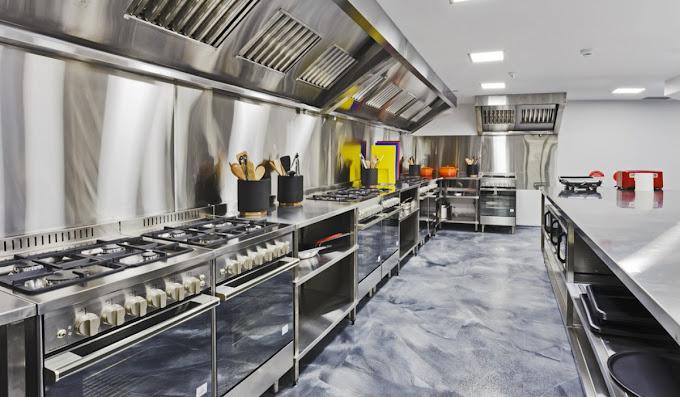
A thoughtfully designed office is more than just a place to work. It reflects a company's identity, supports employee well-being, and leaves a lasting impression on clients and visitors. A professional Corporate Interior Designer transforms ordinary office spaces into modern, functional, and inspiring workplaces that encourage productivity and collaboration.
As businesses continue to evolve, office interiors have become an important part of workplace planning. Companies now look for spaces that combine style, comfort, and efficiency while supporting the daily needs of employees. From startups and corporate headquarters to coworking spaces and multinational offices, every business benefits from a workspace designed with purpose.
What Does a Corporate Interior Designer Do?
A corporate interior designer plans and designs office spaces that balance aesthetics with functionality. Every project begins with understanding the client's business goals, work culture, and space requirements. The design is then developed to improve workflow, maximize available space, and create a comfortable working environment.
The process includes:
- Space planning
- Office layout design
- Furniture selection
- Lighting design
- Color planning
- Storage solutions
- Reception area design
- Conference room planning
- Breakout and collaboration spaces
Each element is carefully planned to ensure the office is practical, attractive, and easy to maintain.
Importance of Corporate Interior Design
A well-designed office positively impacts both employees and visitors. Comfortable workspaces improve concentration, encourage teamwork, and create a professional atmosphere. Clients also develop greater confidence in businesses that operate from organized and visually appealing offices.
Benefits of professional corporate interior design include:
- Better space utilization
- Improved employee productivity
- Comfortable working environment
- Enhanced brand image
- Organized office layout
- Increased employee satisfaction
- Professional appearance
- Efficient workflow
A functional office design supports business growth while creating a welcoming environment for everyone.
Essential Elements of Corporate Interior Design
Successful office interiors combine functionality with modern design.
Reception Area
The reception area creates the first impression of your business. Comfortable seating, elegant décor, proper lighting, and a welcoming design help create a positive experience for visitors.
Workstations
Modern workstations are designed to provide comfort while maximizing available office space. Ergonomic furniture and organized layouts improve employee efficiency throughout the workday.
Conference Rooms
Meeting rooms should support presentations, discussions, and collaboration. Comfortable seating, proper lighting, and technology-friendly layouts create productive meeting spaces.
Cabin Interiors
Executive cabins combine professionalism with comfort. Functional furniture, storage solutions, and elegant finishes create a workspace that reflects leadership and professionalism.
Breakout Areas
Breakout zones give employees a place to relax, interact, and recharge. Comfortable seating and informal spaces encourage creativity and teamwork.
Modern Trends in Corporate Interior Design
Office interiors continue to evolve as businesses focus on employee comfort and sustainability.
Popular design trends include:
- Open office layouts
- Flexible workspaces
- Collaborative meeting areas
- Ergonomic office furniture
- Natural lighting
- Indoor plants and green spaces
- Smart storage solutions
- Sustainable materials
- Minimalist interiors
These trends help create offices that are modern, practical, and inviting.
Choosing the Right Corporate Interior Designer
Selecting an experienced corporate interior designer is essential for achieving the best results. Look for professionals who understand workspace planning, functionality, and modern design concepts.
Consider these factors before making your decision:
- Industry experience
- Portfolio of completed projects
- Creative design approach
- Space planning expertise
- Quality materials
- Timely project completion
- Transparent communication
- Reliable after-project support
An experienced designer ensures every area of the office is planned to support daily business operations.
Conclusion
A professional Commercial Interior Designer helps businesses create workspaces that combine functionality, comfort, and visual appeal. From office planning and workstation design to conference rooms and reception areas, every detail contributes to a productive working environment. Investing in quality corporate interior design not only improves employee satisfaction but also strengthens your company's professional image and supports long-term business success.

 Arabic
 French
 Spanish
 Portuguese
 Deutsch
 Turkish
 Dutch
Dutch
 Italiano
 Russian
 Romaian
 Portuguese (Brazil)
 Greek
Greek
