


Skin Tag Removal in London: What Happens During an Initial Skin Tag Assessment?
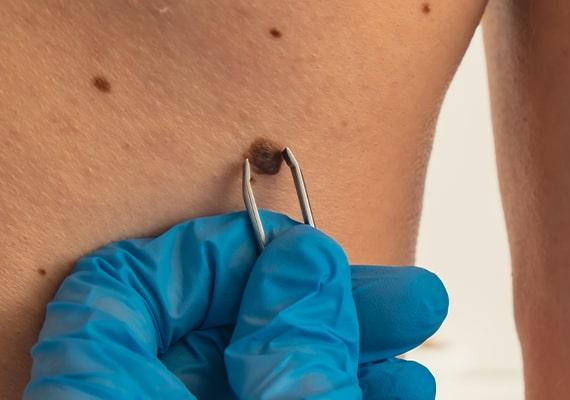
Skin tags are small, soft growths that commonly appear in areas where skin rubs against skin or clothing. They can develop around the neck, underarms, eyelids, groin, or other areas of the body. Although they are often straightforward to identify, an initial assessment is an important part of deciding whether removal is appropriate and which approach may be suitable.
For people considering Skin Tag Removal in London, the first appointment is generally focused on understanding the skin tag, examining the affected area and discussing the patient's concerns. The assessment allows a clinician to establish what is being treated and create an appropriate plan based on the individual presentation.
At Bodyvie Clinic, a consultation can provide an opportunity to discuss the appearance, location and characteristics of a skin tag before treatment is considered. This personalised approach helps ensure that the treatment discussion is based on the patient's specific needs rather than a standard procedure.
What Is a Skin Tag?
A skin tag is a small, soft piece of tissue that projects from the surface of the skin. It may be attached to the skin by a narrow stalk or have a broader attachment.
Skin tags can vary in size, shape and colour. Some are very small and may barely be noticeable, while others can become more prominent over time.
They commonly occur in areas where there is repeated friction, such as the neck, underarms, beneath the breasts and around skin folds. However, they can develop in many other locations.
When someone notices a growth they believe is a skin tag, an assessment can help determine what it is before removal is planned.
Why Is an Initial Assessment Important?
An initial assessment provides the foundation for Skin Tag Treatment London. Although a growth may look like a typical skin tag, a clinician needs to examine it before deciding whether removal is appropriate.
The assessment can help establish the nature of the growth, its location, size and appearance. It also gives the patient an opportunity to explain why they would like it removed.
For example, a patient may be concerned because a skin tag catches on clothing or jewellery, is located in a visible area, or simply affects their confidence about the appearance of their skin.
Understanding these concerns allows the clinician to discuss the most appropriate next steps.
What Happens When You Arrive for Your Assessment?
An initial skin tag consultation usually begins with a conversation about the area of concern. The clinician may ask when the growth was first noticed and whether the patient has observed any changes in its appearance.
The patient can explain what they would like to achieve from treatment and ask questions about the available removal options.
This discussion is followed by an examination of the skin tag itself. The clinician can assess its appearance and surrounding skin before determining whether it is suitable for removal.
The consultation is therefore an important stage of the process rather than simply an administrative appointment before treatment.
How Is the Skin Tag Examined?
During the examination, the clinician may look at several characteristics of the growth.
These can include its:
- Size and overall shape
- Colour and surface appearance
- Position on the skin
- Attachment to the surrounding tissue
- Relationship to nearby skin
- General appearance compared with typical skin tags
The surrounding area may also be examined to provide additional context.
The purpose is to build a clear understanding of the growth before discussing Skin Tag Removal in London.
Why Location Matters
The location of a skin tag can influence how treatment is planned. A skin tag on the neck may have different practical considerations from one located around the eyelid or underarm.
Areas exposed to frequent friction may also have different considerations from areas where the skin is relatively undisturbed.
During the assessment, the clinician can consider the location alongside the size and characteristics of the skin tag. This helps determine the most appropriate way to approach treatment.
The patient's reason for seeking removal can also be relevant. Someone may want a skin tag removed because it is noticeable, while another patient may be more concerned about how it interacts with clothing or daily activities.
Discussing Changes in the Skin Tag
During the consultation, the clinician may ask whether the skin tag has changed since the patient first noticed it.
Patients may be asked about changes in size, colour, shape or general appearance. They may also be asked whether the area has become more noticeable over time.
This information can help provide a more complete picture of the growth.
If the appearance is not consistent with a typical skin tag, the clinician can explain what further assessment may be appropriate before removal is considered.
Reviewing the Patient's Medical and Treatment History
A consultation may also involve discussing relevant medical and treatment history.
The clinician may ask about previous procedures involving the skin, existing skin conditions or other information that could be relevant to treatment planning.
Patients should provide accurate information about previous treatments and any relevant concerns involving the area being assessed.
This helps the clinician understand the wider context before recommending a suitable approach.
Understanding the Patient's Reason for Removal
The reason a patient wants a skin tag removed can vary considerably.
Some people may dislike its appearance, particularly when it is located on a visible part of the body. Others may find that it catches on necklaces, collars or clothing.
Some patients may simply want professional advice about whether the growth is suitable for removal.
During the assessment, these concerns can be discussed openly. Understanding the patient's motivation helps the clinician establish realistic treatment objectives and explain what can be considered.
Assessing Skin Tags on Visible Areas
Skin tags located on visible areas such as the neck or face may be particularly noticeable to patients.
When assessing these areas, the clinician can consider the size and position of the skin tag in relation to the surrounding skin.
For facial or other highly visible areas, patients may have particular questions about how removal will affect the appearance of the skin. These concerns can be discussed during the consultation.
The assessment provides an opportunity to understand the patient's expectations before treatment is planned.
What If the Skin Tag Is Near the Eyelid?
Skin tags around the eyelids require particular consideration because the area is delicate and anatomically different from many other parts of the body.
During an assessment, the clinician can examine the position and characteristics of the growth and determine whether treatment is appropriate.
The patient can also discuss their concerns about the appearance of the area and ask questions about the proposed treatment approach.
The assessment is especially important in locations where the surrounding anatomy needs to be carefully considered.
How Size Can Influence Treatment Planning
Skin tags can range from tiny growths to larger lesions. Their size, shape and attachment can therefore influence how the removal process is discussed.
A smaller growth may require a different approach from a larger or more prominent one.
Rather than assuming that all skin tags should be treated in exactly the same way, the clinician can assess each growth individually.
This personalised assessment forms an important part of Skin Tag Treatment London, allowing treatment planning to reflect the specific characteristics of the growth.
Discussing Suitable Removal Options
Once the skin tag has been assessed, the clinician can explain the treatment options that may be appropriate.
Depending on the characteristics and location of the skin tag, different removal methods may be considered.
The clinician can explain how the proposed method works and what the patient should expect during the appointment.
This discussion also gives patients an opportunity to ask questions and understand why a particular approach may be recommended for their individual situation.
What Questions Can Patients Ask?
The initial assessment is also an opportunity for patients to ask questions.
Common questions may include how the skin tag will be assessed, which removal method is being considered, how long the appointment may take and what the treatment process involves.
Patients may also want to ask whether more than one skin tag can be assessed or treated during the same visit.
Having these discussions before treatment can help patients understand the proposed plan and feel more informed about the next stage.
Can Multiple Skin Tags Be Assessed?
Yes, patients can discuss more than one skin tag during a consultation. If several growths are present, the clinician can assess them individually.
Different skin tags may not necessarily have identical characteristics. Their location, size and appearance can vary, meaning that each may need to be considered separately.
An assessment can therefore help determine whether multiple growths are suitable for treatment and whether the same approach can be considered for each one.
Why Professional Assessment Matters Before Removal
Attempting to identify and remove a skin growth without professional assessment may mean that its nature has not been properly established.
A clinical assessment provides an opportunity to examine the growth and determine whether it has the typical characteristics of a skin tag.
This is why consultation is an important part of Skin Tag Removal in London. The aim is to ensure that the growth is assessed before an appropriate treatment plan is discussed.
Professional assessment also gives patients an opportunity to ask questions and understand the proposed approach.
What Happens After the Assessment?
Once the examination has been completed, the clinician can discuss the findings with the patient.
If the growth is considered suitable for removal, the practitioner can explain the recommended treatment method and discuss the next steps.
Depending on the circumstances, treatment may be discussed for the same appointment or arranged separately.
The patient can also use this stage to ask any remaining questions and make sure they understand the proposed plan.
Choosing a Skin Tag Removal Clinic in London
Choosing an appropriate clinic is an important part of the treatment journey. Patients may wish to consider whether the clinic provides professional skin assessments and whether the treatment is tailored to individual needs.
At a Skin Tag Removal Clinic London, the initial consultation should provide an opportunity to examine the growth, discuss the patient's concerns and explain suitable treatment options.
Bodyvie Clinic offers patients the opportunity to discuss their skin concerns and understand the available treatment approach as part of an individual assessment.
Conclusion
An initial skin tag assessment is an important first step for anyone considering Skin Tag Removal in London. The consultation allows the clinician to examine the growth, consider its size, appearance and location, understand the patient's concerns and determine whether removal is appropriate.
The assessment can also provide an opportunity to discuss suitable treatment methods, ask questions and establish a personalised plan. Because skin tags can vary considerably between individuals, examining each growth individually is an important part of responsible treatment planning.
At Bodyvie Clinic, patients can discuss their concerns during an initial consultation and receive information about the next steps for Skin Tag Treatment London.
FAQs
What happens during a skin tag assessment?
The clinician will discuss your concerns, ask about the history of the skin tag and examine its size, appearance, location and attachment to the surrounding skin.
Why do I need an assessment before skin tag removal?
An assessment helps confirm whether the growth has the typical characteristics of a skin tag and allows the clinician to determine whether removal is appropriate.
Can I have more than one skin tag assessed?
Yes. Multiple skin tags can be discussed during a consultation, and each growth can be assessed according to its individual characteristics.
Does the location of a skin tag affect treatment planning?
Yes. The location can influence the treatment approach because different areas of the body have different anatomical and practical considerations.
Can skin tags on the face be assessed?
Yes. Facial skin tags can be assessed during a consultation, with particular attention given to their location and relationship with the surrounding skin.
Can an eyelid skin tag be assessed?
Yes. Skin tags around the eyelid can be examined during a consultation. Because the area has delicate surrounding anatomy, individual assessment is particularly important.
What information should I provide during my consultation?
You can explain when you first noticed the skin tag, whether its appearance has changed and why you would like it removed. Information about previous skin treatments may also be relevant.
Will the clinician explain the removal method?
Yes. After assessing the skin tag, the clinician can discuss suitable removal options and explain the proposed treatment process.
Where can I have a skin tag assessed in London?
You can arrange an assessment at a Skin Tag Removal Clinic London, where the growth can be professionally examined and suitable treatment options discussed.

 English
 Arabic
 French
 Spanish
 Portuguese
 Turkish
 Dutch
Dutch
 Italiano
 Russian
 Romaian
 Portuguese (Brazil)
 Greek
Greek
