


How Sprintpackage Redefines Sustainability in Cylinder Packaging Solutions
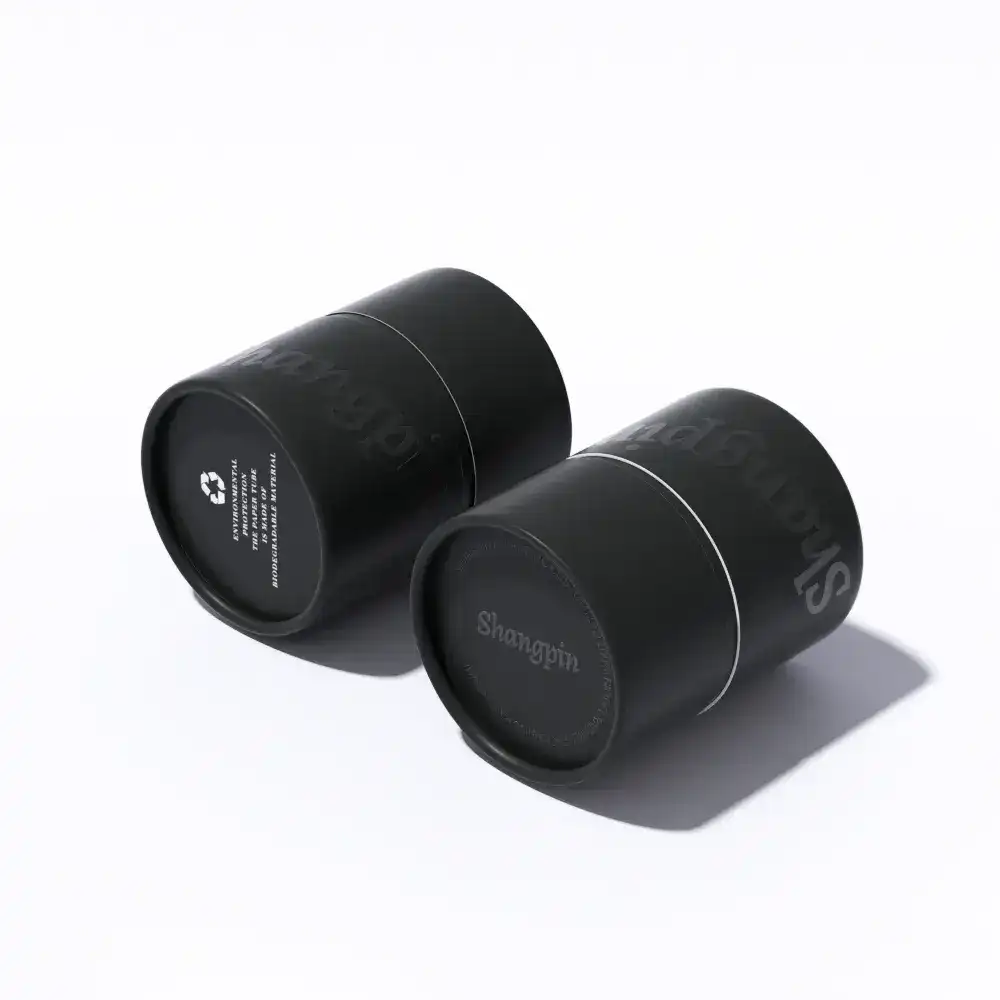
Sustainability has stopped being a bonus feature in packaging and become a basic expectation. Shoppers notice when a product arrives in a tube made of honest, recyclable paper instead of layers of plastic, and brands know that wasteful packaging can quietly damage trust. Cylindrical paper tubes are well placed to answer this demand, since they are sturdy, easy to print on, and made from a material that most recycling systems already understand. Sprintpackage, a Guangzhou-based manufacturer that describes about fifteen years of experience, builds its range around that idea. Here is a practical look at what sustainability really means in cylinder packaging, and how buyers can judge whether a supplier lives up to the claim.
Starting with the Right Material
Sustainability begins with what the tube is made from. Paperboard and kraft paper are renewable, widely recycled, and familiar to consumers. The company's website highlights recycled cardboard and kraft paper tubes, along with biodegradable and food-safe options. Not all paper is equal, though. Virgin fibre from well-managed forests, recycled content, and the type of adhesive and coating all influence the final footprint. Buyers should ask what percentage of recycled fibre a tube contains, what the inner lining is made of, and whether the whole package can go into a normal paper recycling stream. Clear answers are a sign of a supplier that has actually thought about the question.
Designing Out Waste
A sustainable tube is also one that uses no more material than it needs. Good structural design matches wall thickness to the weight of the product, avoids unnecessary inserts, and fits the tube closely around the contents so less filler is required in shipping cartons. Right sizing also saves freight space, which cuts transport emissions. Many brands discover that moving from an oversized box to a snug cylinder reduces both material and shipping costs at once. When discussing a project, share product dimensions and weight, and ask the supplier to recommend a construction rather than simply accepting a standard size that happens to be in stock.
Printing and Finishing That Respect Recycling
Decoration can quietly undo a green message. Heavy plastic laminations, metallic films, and non-recyclable coatings make it harder to recycle a paper tube. The company mentions polishing, embossed details, and custom printing, so buyers can ask which finishes keep the tube recyclable and which do not. Water-based inks, soy-based inks, and simple paper-based finishes are generally friendlier than thick plastic films. If a premium look is essential, discuss a compromise, such as embossing for texture instead of full lamination. The best sustainable packaging looks good because of restraint, not because of extra layers added to impress.

Choosing Cylinder Packaging That Fits the Product
Different products stress a tube in different ways. A lip balm needs a small, tidy container, a candle needs rigidity and heat awareness, and a food item needs safe contact materials. A well-designed range of cylinder packaging lets a brand match the structure to the contents instead of forcing a single format onto everything. The company lists food-grade tubes, cosmetic tubes, candle tubes, poster tubes, wine tubes, and more. Fitting the tube to the product avoids breakage, which is itself a sustainability issue, because damaged goods are wasted goods. Sustainable packaging that fails in transit is not sustainable at all. Claims need evidence. Responsible suppliers can explain their materials, show documents, and describe how their products are made. Buyers who care about forest sourcing or food safety should ask for certificates that apply to the specific product they intend to order, and should check that the documents are current. The company website does not list specific certifications, so it is worth requesting them directly before relying on any particular standard. A supplier who answers openly, even when the answer is that a certificate is not available for a given item, is easier to trust than one who offers broad promises with nothing behind them.
Making Sustainability Part of the Brand Story
Finally, sustainability works best when customers can see and understand it. A simple message printed on the tube, such as how to recycle it or what it is made from, turns packaging into communication. Avoid vague words and stick to facts you can support. Brands that pair honest messaging with good design often find that their packaging is photographed and shared, which extends the benefit well beyond the original purchase. Redefining sustainability in cylinder packaging is less about a single breakthrough than about a series of sensible choices, made consistently, and explained plainly to the people who open the box.

 English
 French
 Spanish
 Portuguese
 Deutsch
 Turkish
 Dutch
Dutch
 Italiano
 Russian
 Romaian
 Portuguese (Brazil)
 Greek
Greek
