


Snap 8 Peptide: Benefits and Research Findings Explained
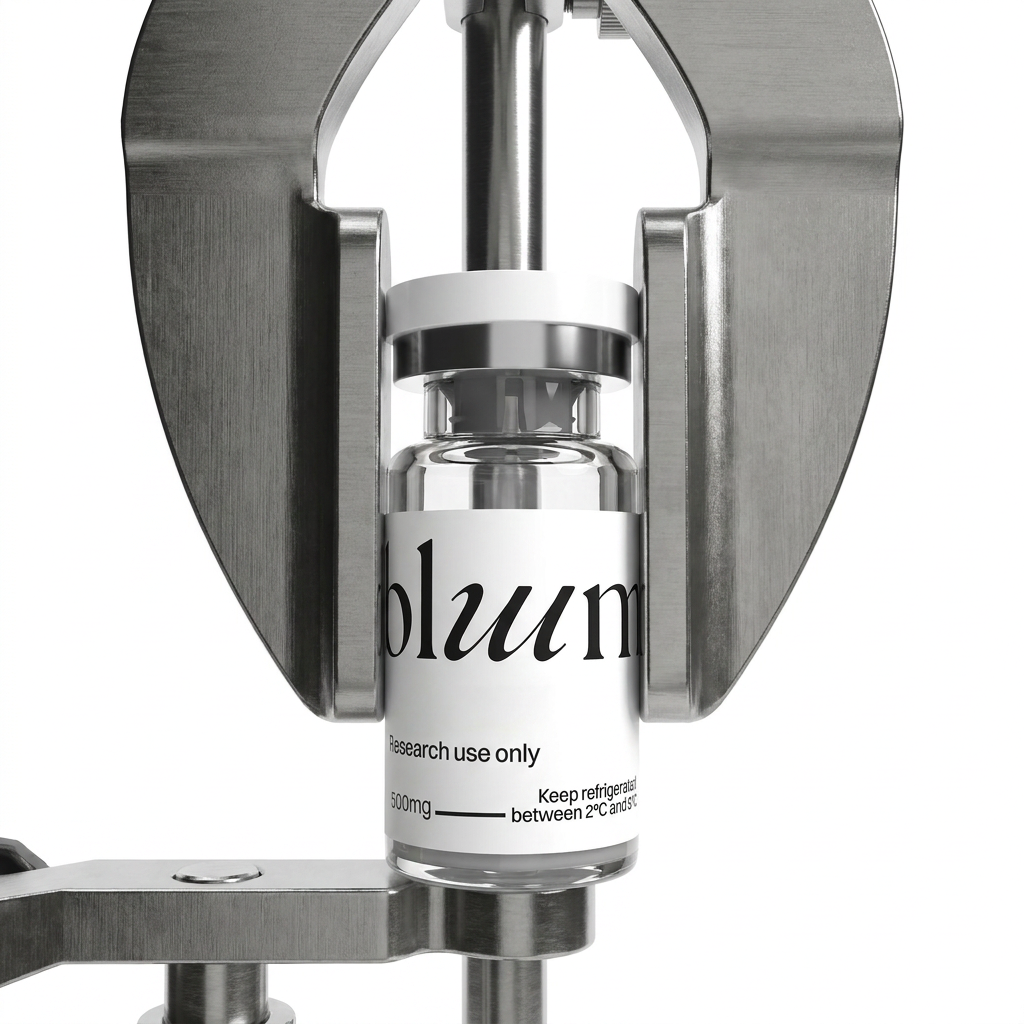
The snap 8 peptide is a synthetic cosmetic peptide commonly identified by the ingredient name Acetyl Octapeptide-3. It consists of eight amino acids and was developed as an extended peptide related to Argireline, another well-known cosmetic peptide. Its main area of interest is skincare, particularly the appearance of expression lines and wrinkles. Unlike injectable substances sometimes discussed in peptide communities, SNAP-8 is primarily associated with topical cosmetic formulations such as serums and creams. Understanding this distinction is important when evaluating claims about its potential benefits, safety, and research evidence.
SNAP-8 has attracted attention because its proposed biological activity involves the SNARE protein complex, which participates in communication between nerves and muscles. Researchers have investigated whether influencing this process may reduce the intensity of repeated facial muscle contractions associated with expression lines. However, the proposed mechanism should not automatically be interpreted as proof of clinical effectiveness. Laboratory findings, manufacturer testing, and independent human research represent different levels of evidence, so each should be considered separately when assessing the ingredient.
How Does the Snap 8 Peptide Work?
The proposed mechanism of the snap 8 peptide is based on its structural relationship with part of SNAP-25, a protein involved in neurotransmitter release. SNAP-8 is designed to compete with native SNAP-25 during formation of the SNARE complex, potentially reducing the efficiency of neurotransmitter release involved in muscle contraction. In theory, less intense repeated contraction could contribute to a softer appearance of dynamic expression lines. This mechanism is biologically plausible, but topical delivery adds an important scientific question.
A peptide applied to the surface of the skin must overcome the skin barrier before it can reach deeper structures. This means laboratory activity alone cannot establish that sufficient quantities of SNAP-8 reach the relevant neuromuscular junctions after ordinary topical application. Current research discussions continue to identify skin penetration and delivery as important limitations. Therefore, it is more accurate to describe the mechanism as a proposed explanation for its cosmetic effects rather than presenting it as definitively proven in humans.
Potential Benefits of SNAP-8 for Skin
The most commonly discussed benefit of the snap 8 peptide is improving the visible appearance of expression-related wrinkles. These include lines that develop around areas such as the forehead, between the eyebrows, and around the eyes through repeated facial movement. Some manufacturer-sponsored evaluations have reported reductions in measured wrinkle depth after several weeks of topical use. Such findings have contributed to the ingredient's popularity in anti-aging skincare formulations. However, reported percentages should be interpreted carefully because the strength and independence of the supporting evidence vary.
Another potential benefit is its role as an ingredient in broader skincare formulations designed to improve the overall appearance of mature or photodamaged skin. Research involving combination products has reported improvements in parameters such as wrinkle severity, smoothness, and skin appearance. Yet combination studies cannot establish that SNAP-8 alone caused every observed improvement because other active ingredients and formulation characteristics may contribute to the result. This distinction reflects an important evidence-based approach to evaluating cosmetic peptides and helps prevent marketing claims from being confused with established clinical conclusions.
What Does Research Say About SNAP-8?
Research surrounding the snap 8 peptide is promising in some respects but remains limited. Laboratory evidence supports the underlying biochemical concept involving the SNARE complex, while manufacturer-sponsored cosmetic testing has reported improvements in wrinkle measurements. Some sources cite substantial reductions after approximately 28 days of topical application, but these figures generally originate from manufacturer-related testing rather than large, independently replicated clinical trials. Consequently, they should be viewed as preliminary cosmetic evidence rather than definitive proof of effectiveness.
Human research also needs to be interpreted in context. Some published studies have included Acetyl Octapeptide-3 as one component of a multi-ingredient skincare product or delivery system. When several active ingredients are used simultaneously, researchers cannot confidently attribute the entire outcome to SNAP-8. Current evidence reviews therefore emphasize that independent, well-controlled studies examining SNAP-8 as a standalone topical ingredient remain limited. This is an important consideration for anyone comparing promotional claims with the actual strength of available scientific evidence.
Snap 8 Peptide vs. KLOW Peptide
The snap 8 peptide and KLOW peptide belong to very different areas of peptide discussion, so they should not automatically be considered interchangeable. SNAP-8 is primarily discussed as a topical cosmetic peptide associated with the appearance of expression lines and skincare formulations. KLOW peptide by comparison, is generally presented as a peptide blend rather than a single eight-amino-acid cosmetic ingredient. The composition, intended application, evidence base, and research questions can therefore differ considerably between the two.
When comparing these products or ingredients, consumers should first identify exactly what a formulation contains and how it is intended to be used. A name alone does not establish purity, effectiveness, safety, or suitability for human use. Independent analytical documentation, clear ingredient identification, appropriate labeling, and credible evidence are more meaningful indicators of product quality. This is particularly important within the broader peptide market, where similar terminology can sometimes make unrelated compounds appear more comparable than they actually are.
Safety, Quality, and Responsible Use
Because SNAP-8 is primarily discussed as a topical cosmetic ingredient, it should not be confused with injectable research compounds. Claims surrounding peptide products can vary considerably, and a product being described as a peptide does not automatically mean that it has been evaluated as a medicine or approved for therapeutic use. Anyone considering a cosmetic peptide should examine the complete formulation, manufacturer information, intended route of administration, and available safety evidence rather than relying solely on claims about molecular activity or impressive percentage improvements.
Quality control is another important consideration when evaluating peptide-based products. Reputable manufacturers should provide clear information about the identity and composition of their ingredients and maintain appropriate quality-control procedures. For research-grade materials, analytical testing such as chromatography can help characterize purity, but laboratory purity does not by itself establish clinical safety or effectiveness. Consumers should also be cautious about products marketed for injection when their established use is topical, since changing the route of administration can substantially change the safety considerations.
Final Takeaway: Understanding the Evidence Behind SNAP-8
The snap 8 peptide is an interesting cosmetic peptide with a scientifically plausible mechanism connected to the SNARE complex and the regulation of neurotransmitter release. Research and manufacturer testing suggest that topical formulations containing SNAP-8 may help improve the appearance of expression lines, but the evidence should be interpreted conservatively. Laboratory findings provide useful information about biological activity, while combination-product studies and manufacturer-sponsored trials offer additional but more limited evidence. Independent clinical research remains an important area for future investigation.
For anyone researching peptide-based skincare, the most useful approach is to distinguish established facts from proposed mechanisms and marketing claims. SNAP-8 should be viewed as a cosmetic ingredient with promising but limited evidence rather than as a proven medical replacement for established dermatological treatments. Comparing it with ingredients or blends such as KLOW peptide also requires careful attention to composition, intended use, quality testing, and evidence. A balanced understanding of the research allows consumers and professionals to make more informed decisions without overstating what current science can demonstrate.

 English
 Arabic
 French
 Spanish
 Portuguese
 Deutsch
 Dutch
Dutch
 Italiano
 Russian
 Romaian
 Portuguese (Brazil)
 Greek
Greek
