


How to Scale Your Brand with Sprintpackage's OEM/ODM Custom Cylinder Packaging Services
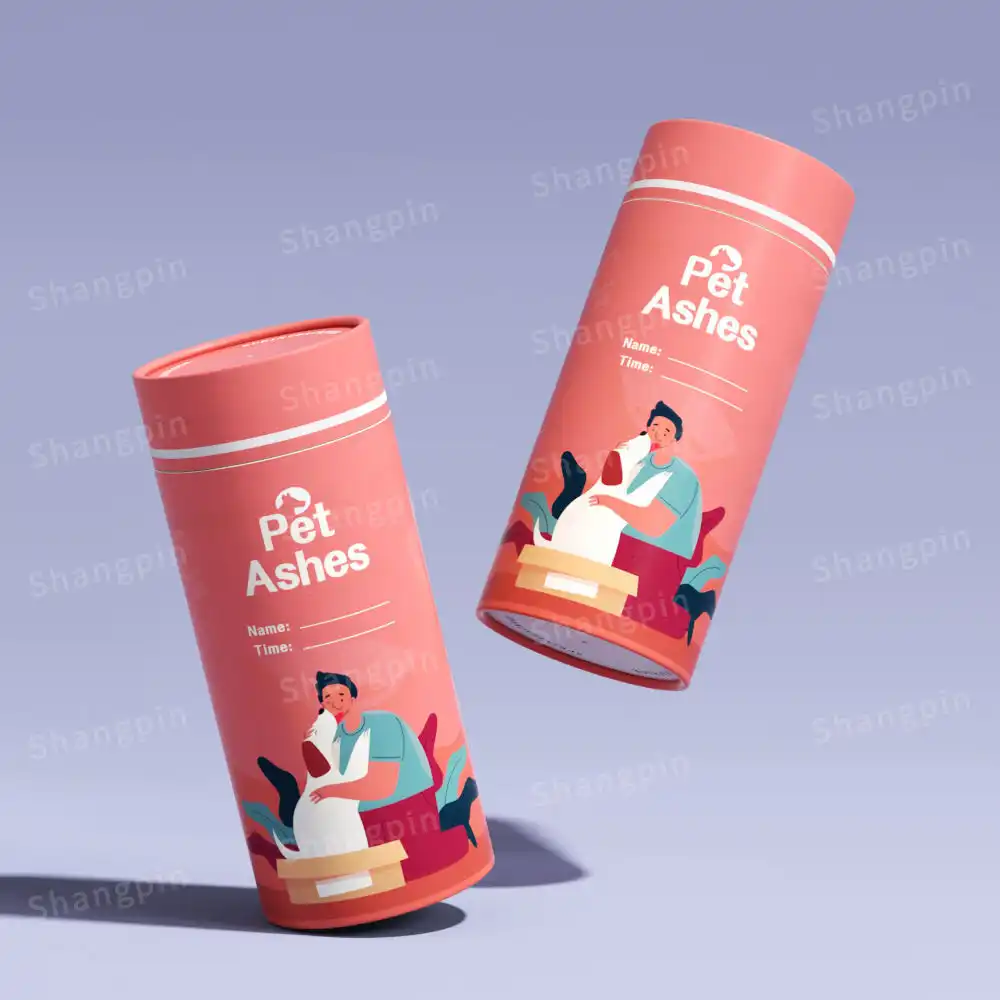
Growing brands reach a moment when packaging must keep up with ambition. Sales increase, new products appear, new markets open, and the original packaging may no longer fit. Managing this change efficiently requires a manufacturing partner who can follow the brand's direction. OEM and ODM services are two ways of working that suit different stages of growth. Sprintpackage states on its website that tubes are fully customizable and mentions OEM and ODM options. This article explains the difference between the two models, how each supports growth, and how to use custom cylinder packaging services strategically as your brand expands from a few products to a recognized range.
Understanding OEM and ODM
In an OEM arrangement, the brand provides the design, specifications, and artwork, and the manufacturer produces those instructions. In an ODM arrangement, the manufacturer offers designs, structures, or ready-to-adapt concepts that the brand customizes with its own branding. OEM provides full control and uniqueness; ODM provides speed and lower development cost. Many brands use both at different times. Ask the supplier what each service includes, such as design support, tooling, samples, and exclusivity. Clear definitions prevent misunderstandings about who owns designs and tooling, which can matter if you later change suppliers.
Starting Fast with ODM
Young brands often lack the budget or time for fully original structures. ODM allows them to select from existing tube formats, then add custom printing, colors, and finishes. This shortens development time and reduces tooling costs. The result can still look distinctive when combined with strong branding. Review the available structures, request samples, and verify that they suit your product. If the supplier already makes similar tubes for other customers, ask how your design will differ and whether any exclusivity is possible. ODM is a practical bridge between idea and market.
Building Uniqueness with OEM
As a brand grows, it often wants packaging that no competitor shares. OEM supports this by turning the brand's own concepts into production. Custom diameters, heights, lids, inserts, and finishes can be developed. The process requires more planning: drawings, prototypes, tooling, and approval cycles. Provide detailed specifications and be ready to iterate. The company offers customization in size, style, and printing, which supports this approach. Protect your intellectual property by clarifying ownership of designs and tooling in writing. A distinctive structure can become a recognizable brand asset over time. Keep these points in mind whenever you compare custom cylinder packaging options for your own products.

Managing Growth in Volume and Variety
Scaling brings complexity. More products mean more sizes, more artwork files, and more reorder schedules. Create a packaging system with common templates, consistent finishes, and organized documentation. Share forecasts with your supplier, so they can plan materials and capacity. Negotiate pricing based on cumulative volume across items, not just individual orders. The website notes cooperation with more than two hundred and fifty brands, which suggests experience with growth stages. Review quality, cost, and delivery performance regularly, and adjust order sizes and schedules as your sales pattern becomes clearer.
Keeping Quality and Brand Consistency
As volumes rise, keeping quality stable becomes the key challenge. Maintain approved samples, color references, and written tolerances. Insist on inspection records and, for large orders, consider third-party checks. Communicate early about changes in materials or design. Avoid changing suppliers frequently, since each change introduces variation. A reliable partner who understands your brand can help it grow smoothly, offering suggestions on cost reduction, sustainability, and new formats. Used wisely, OEM and ODM services let a brand start small, learn quickly, and expand without losing the identity that made it successful. Choosing between the two models is rarely permanent, and many brands begin with ODM to move quickly, then shift toward OEM as their identity sharpens, so ask early how your supplier handles that transition, including tooling ownership, minimums, and the continuity of your existing artwork and approved samples. Written specifications, physical samples, and open communication remain the most dependable tools a buyer has, and using them consistently turns good intentions into packaging that performs.

 English
 Arabic
 Spanish
 Portuguese
 Deutsch
 Turkish
 Dutch
Dutch
 Italiano
 Russian
 Romaian
 Portuguese (Brazil)
 Greek
Greek
