


Does Hot Water Damage Hair? Understanding the Effects of Water Temperature on Hair Health
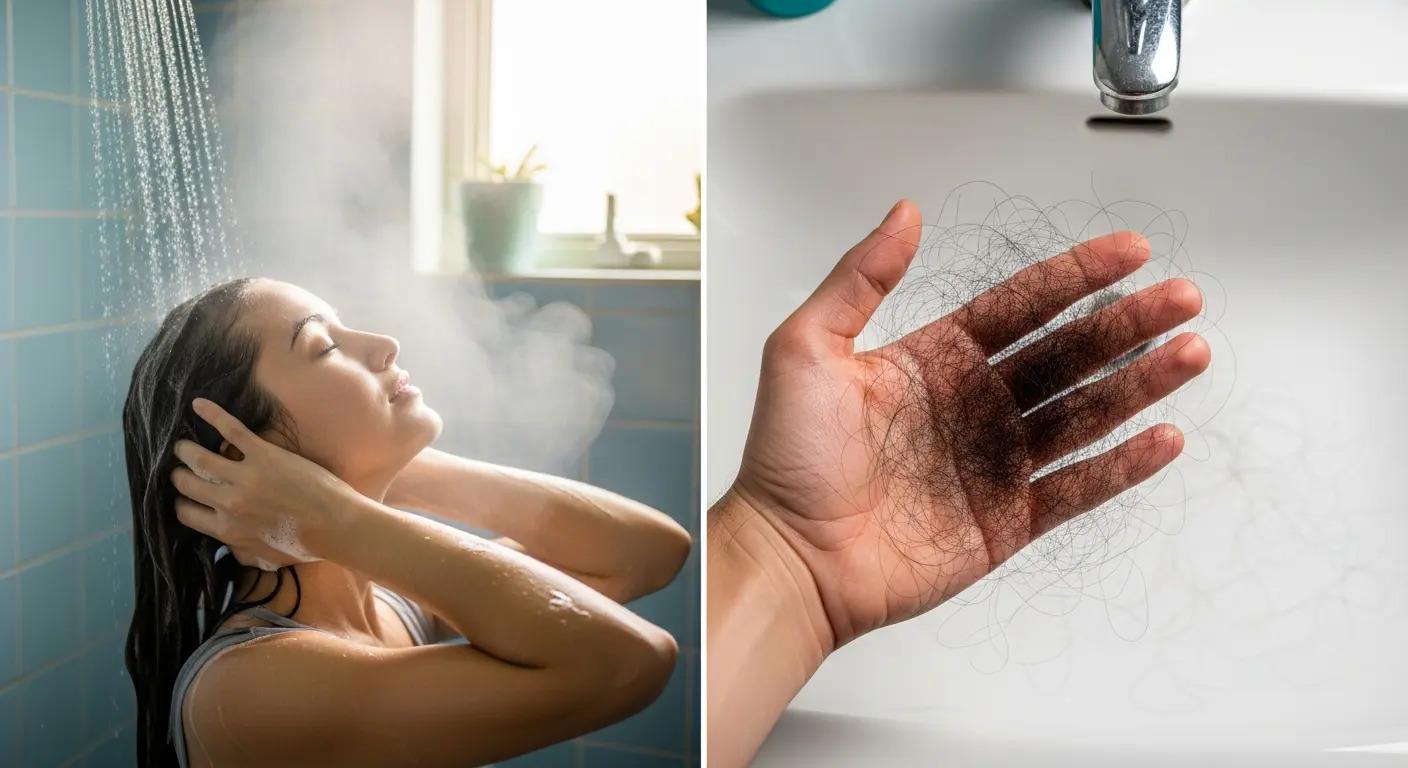
Hair care is often associated with expensive products, complicated routines, and salon treatments. Yet, one of the simplest factors affecting hair health is something people encounter every day: water temperature. A warm shower can feel relaxing, particularly during colder weather, but repeatedly exposing your hair and scalp to very hot water may not provide the benefits you expect.
This raises an important question: does hot water damage hair? The answer depends largely on how hot the water is, how frequently you use it, and the condition of your hair and scalp. While occasional exposure to comfortably warm water is unlikely to cause major problems, very hot water can contribute to dryness, frizz, scalp irritation, and increased hair breakage.
Understanding the relationship between water temperature and hair health can help you build a gentler and more effective hair-care routine. Instead of avoiding warm showers altogether, the goal is to find a comfortable temperature that cleanses the scalp without unnecessarily stressing the hair and skin.
How Water Temperature Affects Your Hair
Each strand of hair has an outer protective layer called the cuticle. The cuticle consists of overlapping cells that help protect the inner structure of the hair shaft. When hair is healthy, the cuticle lies relatively flat, helping the hair retain moisture and appear smoother and shinier.
Very hot water can remove some of the natural oils produced by the scalp. These oils, often called sebum, help maintain the scalp's natural moisture balance and provide some protection to the hair shaft. Excessive removal of these oils can leave the hair feeling rough, dry, or less manageable.
Hot water can also make already dry or chemically treated hair feel more fragile. Hair that has been coloured, bleached, chemically straightened, or frequently exposed to heat styling may require additional care because its protective structure may already be compromised.
Does Hot Water Damage Hair or Just Make It Dry?
The phrase "damage" can mean different things when discussing hair. Hot water does not generally cause sudden, permanent damage after a single shower. However, consistently using excessively hot water can contribute to conditions that make hair more vulnerable to damage.
For example, if hot water repeatedly strips away natural oils, the hair and scalp may become dry. Dry hair tends to develop more friction during brushing and styling, which can contribute to tangling and breakage. A person may therefore notice more hair in their brush or on their pillow, even though the underlying issue is breakage rather than hair falling from the follicle.
This distinction is important. Hair breakage occurs along the shaft, whereas true hair loss involves the follicle and can have many different causes. Changing shower temperature may improve dryness and breakage, but persistent or significant hair loss should be evaluated by a qualified healthcare professional.
What Happens to the Scalp During a Very Hot Shower?
The scalp is skin, so it can also react to excessive heat. Very hot water may cause temporary redness, dryness, tightness, or irritation, especially in people with sensitive skin.
A disrupted scalp moisture barrier can make the scalp feel uncomfortable and may increase flaking in some individuals. If someone already experiences dryness or irritation, repeatedly taking very hot showers may make those symptoms more noticeable.
A healthy scalp provides the foundation for a healthy hair-care routine. That does not mean water temperature alone determines hair growth. Hair growth is influenced by genetics, hormones, nutrition, age, overall health, medications, and numerous other factors. Nevertheless, reducing unnecessary irritation is a sensible part of maintaining scalp comfort.
Is Hot Water Good for Hair?
Many people wonder, is hot water good for hair because warm water can make shampooing feel more effective. There is some logic behind using comfortably warm water during washing. It can help loosen oil, sweat, styling residue, and dirt from the scalp, making cleansing easier.
However, "warm" and "very hot" are not the same thing. You do not need extremely hot water to clean your hair effectively. Shampoo is formulated to remove excess oil and buildup, while gentle mechanical massage helps distribute the cleanser across the scalp.
A practical approach is to use lukewarm or comfortably warm water when wetting and washing the hair. If the water feels uncomfortably hot on your skin, it is probably hotter than necessary for your scalp and hair as well.
Why Lukewarm Water Is Often a Better Choice
Lukewarm water offers a useful middle ground. It can make showering comfortable and help rinse away shampoo and conditioner without the excessive heat associated with very hot water.
The ideal temperature does not have to be measured with a thermometer. Instead, focus on how the water feels. It should be comfortably warm rather than intensely hot or causing your skin to turn red.
This is particularly helpful for people with dry hair, dry skin, sensitive scalps, or hair that has undergone chemical processing. A gentler washing routine can help reduce unnecessary moisture loss and make hair easier to manage.
Does Hot Water Cause Hair Loss?
One of the biggest concerns surrounding hot showers is whether they directly cause hair loss. In general, hot water itself is not considered a primary cause of common forms of hair loss.
Hair shedding can occur for many reasons, including hereditary pattern hair loss, hormonal changes, nutritional deficiencies, illness, significant stress, certain medications, and scalp conditions. Because these causes involve processes beyond the hair shaft, simply changing water temperature cannot address every type of hair loss.
However, very hot water may contribute indirectly to the appearance of thinning if it causes dryness and breakage. If hair becomes brittle and breaks more easily, the overall volume can appear reduced.
Anyone experiencing sudden, severe, patchy, or persistent hair shedding should consider speaking with a dermatologist or another qualified medical professional rather than assuming shower temperature is responsible.
How to Wash Your Hair Without Unnecessary Damage
A few simple changes can make your routine more hair-friendly.
Start with comfortable water. Wet the scalp and hair thoroughly using lukewarm water rather than very hot water.
Focus shampoo on the scalp. The scalp is where oil and product buildup accumulate. Apply shampoo primarily to the roots and gently massage with your fingertips. Avoid aggressive scratching with your nails.
Rinse thoroughly. Shampoo should be removed completely, but there is no need to use extremely hot water to achieve a clean rinse.
Condition the lengths. Conditioner is generally most useful on the mid-lengths and ends, particularly when the hair tends to become dry or tangled.
Avoid rough towel drying. Wet hair can be more vulnerable to mechanical stress. Instead of aggressively rubbing the hair, gently squeeze out excess water and pat it dry.
Limit additional heat exposure. Hair dryers, straighteners, curling irons, and other heated tools can add to the cumulative stress placed on the hair shaft. Using lower temperatures and appropriate heat protection can help.
Hot Water Versus Cold Water: Which Is Better?
Hair care advice sometimes presents cold water as the opposite solution to hot water. However, you do not necessarily need an extremely cold shower for healthier hair.
Cold water may feel refreshing and can reduce the sensation of heat after a warm shower, but there is no need to make your hair-care routine uncomfortable. The more practical objective is to avoid extremes.
For most people, comfortably lukewarm water is a reasonable option. It cleanses effectively while avoiding the unnecessary dryness and irritation that can accompany excessively hot water.
Hair Type Also Matters
Different hair types can respond differently to environmental and styling stress.
Curly and coily hair often tends to be more prone to dryness because natural scalp oils may have greater difficulty travelling along the bends of the hair shaft. People with these hair types may therefore benefit from paying particular attention to water temperature and moisturizing practices.
Fine hair can also become dry or fragile when exposed to repeated stress. Similarly, coloured or chemically processed hair may need a gentler routine to preserve its condition.
Regardless of hair type, the key is to observe how your scalp and hair respond. If hair feels increasingly dry, rough, tangled, or brittle after washing, adjusting the temperature may be a worthwhile first step.
A Simple Hair-Washing Routine for Healthier-Looking Hair
A balanced routine does not need to be complicated. Begin by thoroughly wetting the hair with lukewarm water. Apply an appropriate shampoo to the scalp and massage gently with the fingertips. Rinse with comfortable water and apply conditioner to the lengths and ends if needed.
After washing, handle wet hair gently. Use a wide-tooth comb when appropriate, starting from the ends and gradually working upward to reduce pulling. Allow the hair to dry naturally when practical, or use a hair dryer on a moderate setting while keeping it at a reasonable distance from the scalp.
Most importantly, avoid treating every hair problem as a water-temperature problem. Persistent scalp symptoms, excessive shedding, or noticeable changes in hair density may require professional assessment.
The Bottom Line
So, does hot water damage hair? Excessively hot water can contribute to dryness, scalp irritation, and hair-shaft breakage, particularly when used frequently or when the hair is already fragile. It is unlikely to be the sole explanation for significant hair loss, but reducing unnecessary heat exposure can still be a useful part of a healthy hair-care routine.
And is hot water good for hair? Comfortably warm water can help loosen oils and product residue during washing, but there is no need for extremely hot water. Lukewarm water is generally a more practical choice for cleansing while helping maintain the hair and scalp's natural moisture balance.
Ultimately, healthy hair care is less about following extreme routines and more about consistency. Gentle cleansing, appropriate conditioning, careful handling, limited heat styling, and attention to scalp health can collectively support stronger, healthier-looking hair over time.

 English
 Arabic
 French
 Spanish
 Portuguese
 Deutsch
 Turkish
 Dutch
Dutch
 Italiano
 Russian
 Romaian
 Greek
Greek
