


How to Choose the Best Pillowcases for Comfort, Style, and Everyday Use
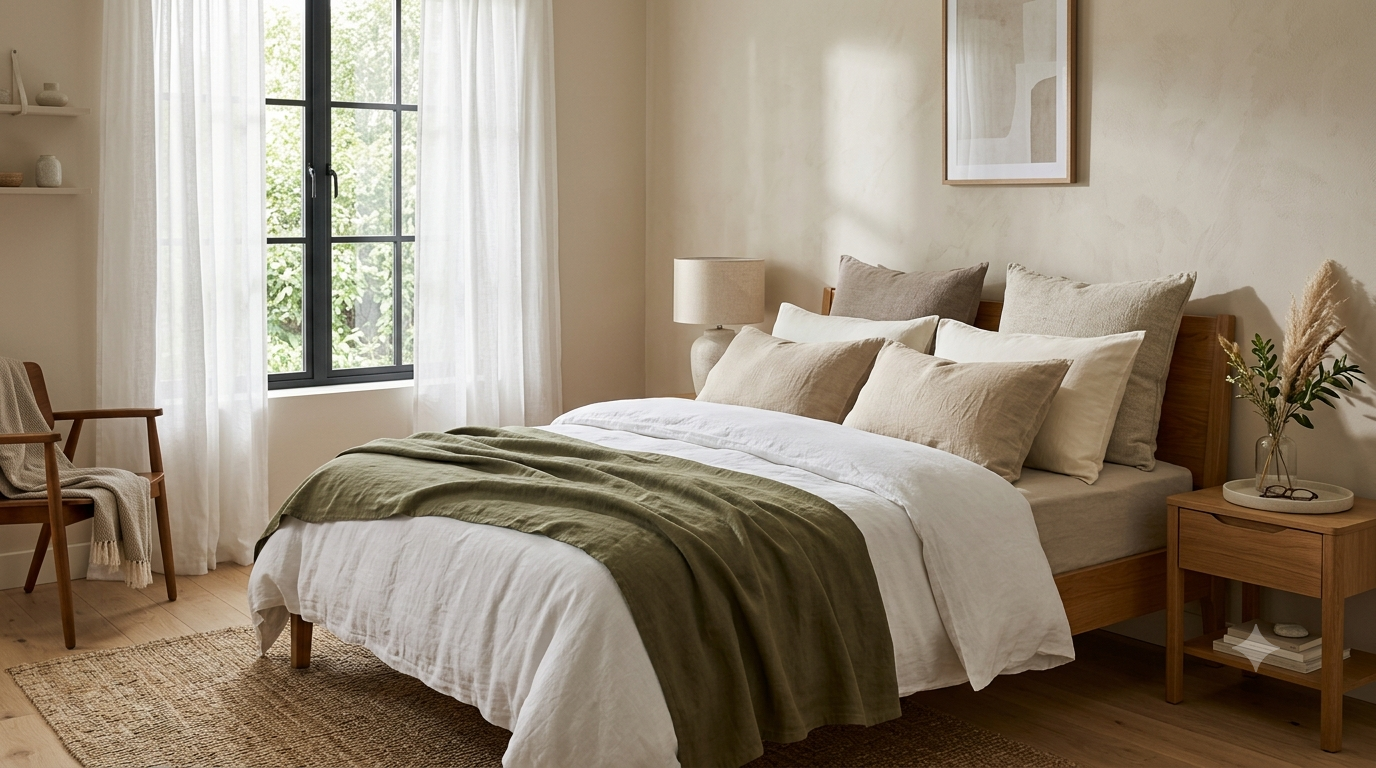
A pillowcase may seem like a small part of your bedding, but it can make a noticeable difference to your comfort, sleep environment, and bedroom style. Since your face and hair come into contact with the fabric for hours each night, choosing the right material, texture, size, and construction is worth some consideration.
The best pillowcases are not necessarily the most expensive ones. The right choice depends on your personal preferences, sleeping environment, pillow size, washing habits, and the overall look you want for your bedroom.
From breathable cotton to naturally textured linen, there are plenty of options available. Understanding the differences can help you choose pillowcases that feel comfortable, hold up well after repeated washing, and complement your existing bedding.
Why Choosing the Right Pillowcase Matters
Pillowcases do more than protect pillows from everyday dust, oils, and moisture. They are also an important part of your sleep setup.
A breathable fabric can be particularly useful if you tend to feel warm during the night, while a softer material may appeal to people who prefer a smooth feel against their skin. Durability is another important consideration because pillowcases are washed more frequently than many other bedding items.
The appearance of your bedding also matters. A carefully chosen combination of colors, textures, and patterns can make a bedroom feel more coordinated without requiring a complete décor change.
What to Look for in Pillowcase Covers
When comparing pillowcase covers, start with the fabric. Cotton is a popular everyday option because it is comfortable, versatile, and relatively easy to maintain. Linen offers a more textured feel and is valued for its breathability, while cotton-linen blends can combine characteristics of both materials.
Next, check the dimensions. A pillowcase should fit your pillow without being excessively tight or loose. Standard, queen, king, and specialty pillow sizes can vary, so checking the product measurements before purchasing is important.
Construction also deserves attention. Look at the seams, hems, and overall stitching. Neatly finished edges can help the pillowcase withstand regular washing and use.
Consider the Closure Style
Pillowcases can have different closure designs, including envelope-style openings, traditional open ends, and zipper closures. Envelope designs can help keep the pillow contained without requiring additional hardware, while zipper styles can provide a more secure fit.
Your choice should depend on convenience, appearance, and how frequently you change your bedding.
How to Choose Good Pillow Cases
Knowing what makes good pillow cases can help you avoid choosing bedding based only on appearance.
1. Check the Fabric
Look for a fabric that suits your climate and sleeping preferences. Cotton works well for versatile everyday bedding, while linen is a strong option for those who prefer natural texture and airflow.
2. Consider Comfort
Think about how the fabric feels against your skin. Some people prefer smooth and soft pillow covers, while others enjoy the relaxed texture of linen.
3. Look at Construction
Inspect the seams, hems, and finishing. Consistent stitching and well-constructed edges can contribute to long-term durability.
4. Get the Right Fit
A pillowcase that is too small can put unnecessary pressure on the seams, while an oversized case may look untidy. Always compare the pillowcase dimensions with your actual pillow.
5. Think About Maintenance
Everyday bedding needs to be practical. Check washing instructions before purchasing and consider whether you are comfortable following the recommended care routine.
6. Choose a Style You Will Enjoy
Color, pattern, and texture all contribute to bedroom décor. Neutral shades can create a simple look, while patterns or contrasting colors can add visual interest.
Cotton vs. Linen Pillowcases
Cotton and linen are two popular natural fabrics, but they have noticeably different characteristics.
Cotton pillowcases are generally known for their soft, familiar feel and versatility. Depending on the weave and finish, cotton can range from crisp and lightweight to smooth and substantial. It is a practical choice for everyday bedding because it works across different bedroom styles.
Linen pillowcases, on the other hand, have a naturally textured appearance and are valued for their breathability. Linen can feel slightly crisp initially and often becomes softer with use and washing. Its relaxed appearance works particularly well with casual, natural, or minimalist bedroom décor.
Cotton-linen blends offer another option. They can provide a balance between the familiar feel of cotton and some of the texture and breathability associated with linen.
Rather than asking which material is universally better, consider which characteristics matter most to you.
When to Choose Linen Pillowcases
Linen pillowcases can be a good choice for people who appreciate breathable bedding and natural textures.
They are especially suited to relaxed bedroom styles where a slightly lived-in appearance is part of the aesthetic. Linen's texture can also add depth when layered with cotton sheets, blankets, or other natural-fabric bedding.
If you prefer bedding with a smooth, uniform finish, cotton may be more suitable. If you enjoy natural texture and an airy feel, linen is worth considering.
Seasonality can also influence your choice. Breathable fabrics can be appealing during warmer periods, while a layered bedding setup can make them suitable throughout the year.
Should You Buy Individual Pillowcases or a Pillowcase Set?
The choice between individual pillowcases and a pillowcase set depends largely on your bedding arrangement.
A set is convenient when you need matching cases for two or more pillows. It can also make it easier to create a coordinated appearance across your bed.
Buying individual pillowcases may make more sense if you have an unusual pillow arrangement, need to replace only one damaged or worn case, or prefer to mix colors and textures.
If you regularly rotate your bedding, having several matching pillowcases can also simplify laundry and changing the bed.
How Pillow Cases Covers Can Improve Bedroom Style
Pillowcases can function as both practical bedding essentials and decorative elements.
For a calm bedroom, consider neutral shades such as white, beige, cream, gray, or soft earth tones. If the rest of the room is relatively simple, patterned pillow covers can introduce personality without overwhelming the space.
Texture is another effective way to add visual interest. Pairing smooth cotton sheets with textured linen pillowcases, for example, can create subtle contrast while maintaining a cohesive appearance.
You can also coordinate pillowcases with curtains, blankets, rugs, or other bedroom décor. The goal does not have to be exact color matching; complementary shades and textures often create a more natural result.
How to Care for Your Pillowcases
Proper care can help extend the useful life of your bedding.
Always check the manufacturer's care instructions before washing. Use an appropriate water temperature and avoid excessive detergent, which can leave residue in the fabric.
Wash pillowcases regularly because they come into frequent contact with skin and hair. Avoid overcrowding the washing machine, as fabrics need enough room to move freely during the wash cycle.
When drying, follow the recommended instructions for the specific material. If possible, avoid excessive heat, particularly when caring for natural fabrics.
Store clean pillowcases in a dry, well-ventilated area. Folding them neatly and keeping matching sets together makes it easier to rotate your bedding.
Choosing Quality Bedding from a Trusted Brand
When shopping for cotton or linen bedding, it helps to explore a brand that focuses specifically on these types of home textiles. All Cotton and Linen can be a useful resource for readers comparing cotton and linen products for bedrooms and other areas of the home.
Rather than choosing bedding based only on appearance, take the time to consider fabric, dimensions, construction, care requirements, and how the item fits into your existing bedding collection. This approach makes it easier to choose pieces that suit your actual everyday needs.
Conclusion
Choosing the best pillowcases comes down to more than picking an attractive color. Fabric quality, breathability, softness, durability, pillow size, closure style, maintenance, and personal preference all influence whether a pillowcase is genuinely suitable for everyday use.
Cotton is a versatile choice for comfortable everyday bedding, while linen offers natural texture and breathability. Cotton-linen blends can provide another option for those who want characteristics of both fabrics.
Whether you purchase individual pillowcases or a coordinated set, prioritize the right fit and construction first, then consider color and style. With the right combination of comfort, practicality, and appearance, your pillowcases can become a simple but valuable part of a more comfortable bedroom.

 English
 Arabic
 French
 Portuguese
 Deutsch
 Turkish
 Dutch
Dutch
 Italiano
 Russian
 Romaian
 Portuguese (Brazil)
 Greek
Greek
