


How to Use Employee Personas to Plan More Relevant Diwali Gifting for Employees
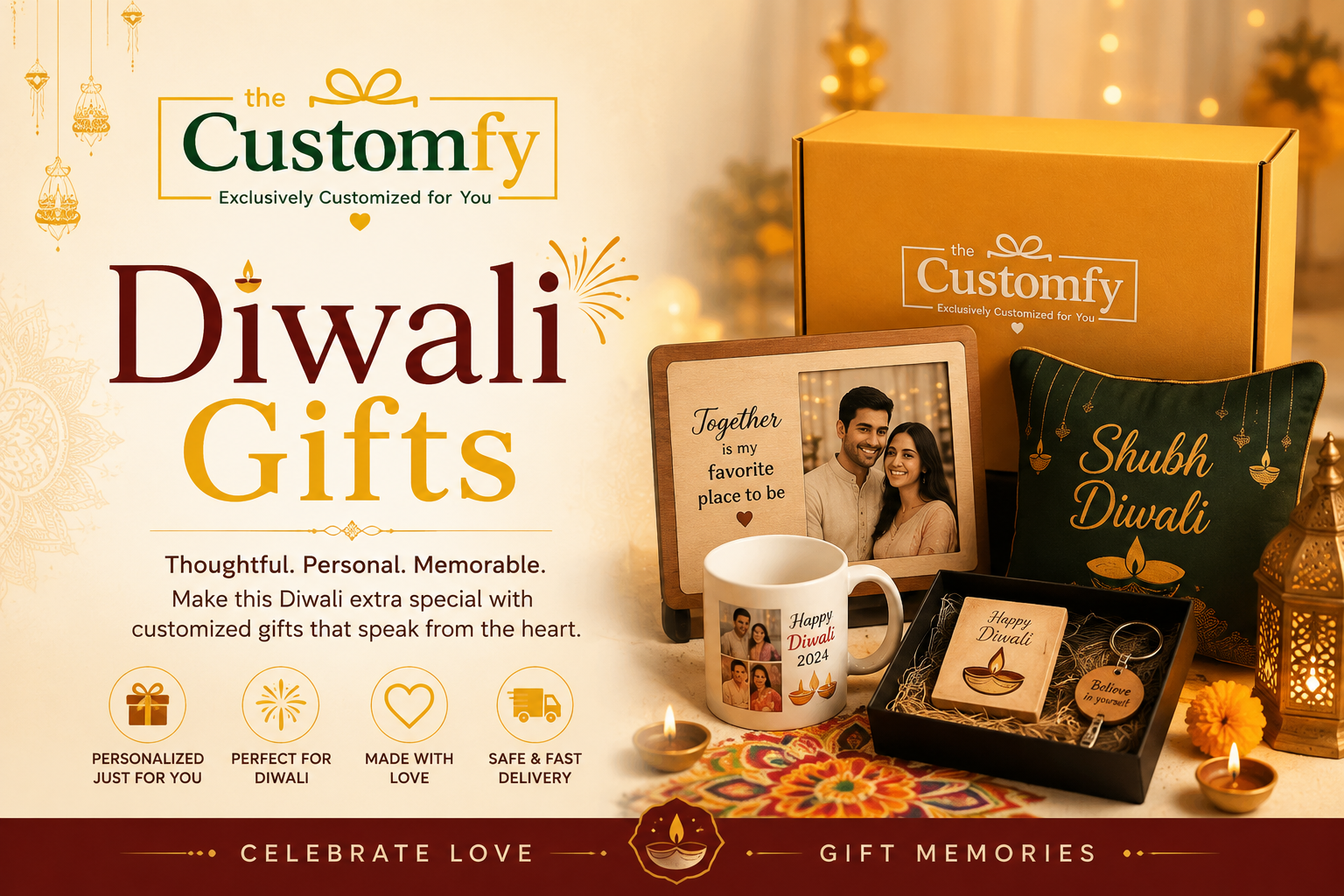
How to Use Employee Personas to Plan More Relevant Diwali Gifting for Employees
Choosing one Diwali gift for a large workforce can be challenging because employees have different routines, responsibilities, interests, and lifestyles. Instead of treating everyone as one audience, businesses can use employee personas to make diwali gifting for employees more relevant. An employee persona is a simple profile representing a common type of employee within an organisation. It can help HR and procurement teams understand what different groups are likely to find useful without creating a completely different gifting programme for every individual.
Why Employee Personas Matter for Diwali Gifting for Employees
A workforce may include office-based professionals, remote employees, field teams, managers, new joiners, frequent travellers, and employees with very different daily routines.
Giving everyone exactly the same product may be convenient, but it does not always account for those differences.
Employee personas provide a middle ground.
Instead of creating hundreds of individual gift preferences, HR can identify a few meaningful groups and understand what each group values.
For example, an employee who spends most of the day at a desk may appreciate a different product combination from someone who travels between client locations.
The objective is not to stereotype employees. Personas should be based on useful workplace information, voluntary feedback, and broad behavioural patterns rather than assumptions about age, gender, income, or personal life.
Build Simple Personas Before Choosing Gifts
The first step is to understand how employees actually work.
A short survey can ask questions about preferred gift categories without asking employees to reveal unnecessary personal information.
Useful questions might include:
-
Which gift categories do you find most useful?
-
Would you prefer a practical product or festive hamper?
-
Do you regularly work from home?
-
Do you travel frequently for work?
-
Would you prefer to choose between several gift options?
-
Which products would you be unlikely to use?
The answers can reveal broad patterns that HR teams can convert into practical personas.
Common Employee Personas for Corporate Gifting
Personas should reflect the organisation's actual workforce. However, several common categories can provide a useful starting point.
The Desk-Focused Professional
This persona represents employees who spend much of their day working at a desk.
They may appreciate products such as:
-
Personalised notebooks
-
Diaries
-
Premium pens
-
Desk accessories
-
Mugs
-
Organisers
The focus should be on products that improve the everyday work environment rather than adding unnecessary desk clutter.
The Hybrid or Remote Employee
Employees who divide their time between home and office may prefer compact products that work across different locations.
Reusable bottles, notebooks, bags, laptop accessories, and portable work essentials can fit this persona.
Packaging also matters because these gifts may need to be shipped directly to employees' homes.
The Frequent Traveller
Some employees regularly travel for meetings, projects, or client visits.
A travel-friendly persona could guide businesses toward bottles, organisers, bags, wallets, or compact lifestyle products.
The product should be easy to carry and useful outside the office.
The Practical Minimalist
Some employees simply prefer fewer, better products.
This persona may respond better to a compact combination of one or two useful items than a large hamper containing several unrelated products.
A personalised bottle and notebook, for example, can provide practical value without creating unnecessary clutter.
Match Personas to Diwali Gifting for Employees Options
Once personas are defined, businesses can create small gift categories rather than hundreds of individual variations.
For example:
| Employee Persona | Suitable Gift Direction |
|---|---|
| Desk-focused professional | Diary, notebook, pen, desk accessory |
| Remote/hybrid employee | Bottle, notebook, organiser, compact work kit |
| Frequent traveller | Bottle, wallet, travel organiser, bag |
| Practical minimalist | One or two premium personalised products |
| Festive-oriented recipient | Curated festive hamper |
The purpose of this approach is not to create rigid categories.
Employees should still be able to choose another option when their persona does not accurately represent their preferences.
Use Choice Alongside Personas
Personas become more useful when combined with employee choice.
Instead of assigning every employee to a category and automatically sending a specific gift, businesses can offer two or three options inspired by the most common personas.
For example:
-
Work Essentials Kit
-
Travel and Lifestyle Kit
-
Festive Hamper
Employees can then choose the option that suits them.
This approach combines the efficiency of segmentation with the flexibility of individual choice.
The same recipient-first principle appears in personal gifting. Someone selecting a diwali gift for boyfriend might consider hobbies, daily habits, personality, and interests before deciding what feels appropriate. Businesses can apply the same thinking through personas without attempting to understand every employee individually.
Personalisation Should Follow the Persona
Personas can also help businesses decide where personalisation is most useful.
A desk-focused employee may appreciate a personalised diary.
A frequent traveller may find a personalised bottle or organiser more useful.
A practical minimalist may prefer one high-quality personalised product rather than several customised items.
This prevents businesses from adding personalisation simply because it is available.
The objective is to personalise products employees are likely to use.
Avoid Stereotyping Employees
Personas are useful planning tools, but they can become problematic if businesses make assumptions about employees.
For example, an employee's age does not automatically determine what they want. Gender should not be used as a shortcut for choosing gift categories, and job title does not necessarily reveal personal preferences.
Instead, build personas around observable workplace needs and voluntary feedback.
Good persona criteria include:
-
Work environment
-
Travel frequency
-
Product preferences
-
Gift-category preferences
-
Workplace routines
-
Delivery requirements
This makes the process more practical and respectful.
Connect Personas With Budget Planning
Segmentation can also make budgeting easier.
Suppose a company has 500 employees and identifies three major gifting preferences.
Rather than creating ten different packages, HR could develop three options within a similar price range.
This simplifies:
-
Vendor negotiations
-
Inventory planning
-
Personalisation
-
Packaging
-
Employee selection
-
Delivery
-
Budget tracking
If one category becomes significantly more popular, procurement teams can adjust quantities before production begins.
Businesses can also consider Customfy when they need practical personalised products that can be adapted across several employee gifting categories.
Common Persona Planning Mistakes to Avoid
Employee personas should simplify gifting, not make it unnecessarily complicated.
Businesses should avoid:
-
Creating too many personas
-
Making assumptions based on demographics alone
-
Assigning gifts without allowing employee choice
-
Using outdated employee data
-
Personalising products before preferences are confirmed
-
Creating large differences in gift value between groups
-
Ignoring remote employees
-
Treating personas as permanent categories
Employee preferences can change, so personas should be reviewed periodically.
Expert Tips for Better Diwali Gifting for Employees
A practical persona-based gifting strategy can follow five steps:
1. Gather Useful Information
Use short surveys, existing employee feedback, and workplace patterns.
2. Identify Three to Five Common Personas
Keep the groups broad enough to remain manageable.
3. Match Each Persona With Gift Categories
Focus on usefulness rather than novelty.
4. Add Employee Choice
Allow recipients to select the category that suits them best.
5. Review the Results
After Diwali, ask which options employees used and appreciated. Use that feedback to improve next year's programme.
The goal should be continuous improvement rather than creating a complicated segmentation system.
Real-Life Example: Using Personas for 500 Employees
Imagine a company with 500 employees across offices and remote locations.
HR conducts a short preference survey and identifies three major groups: desk-focused employees, hybrid workers, and frequent travellers.
Instead of ordering one universal hamper, the company creates three similarly priced options.
The desk kit contains a personalised notebook, premium pen, and organiser.
The hybrid kit includes a bottle, notebook, and compact work accessory.
The travel kit contains a bottle, wallet, and practical organiser.
Employees choose their preferred option through an internal form.
Each package receives consistent festive branding and one personalised element.
The company maintains a manageable procurement process while giving employees more relevant choices.
Conclusion
Employee personas can help businesses move beyond one-size-fits-all corporate gifting without creating a completely individualised programme.
By understanding broad workplace routines, preferences, and practical needs, HR teams can design gift categories that feel more relevant.
The most effective approach combines persona-based planning with employee choice, useful products, selective personalisation, and consistent quality.
Diwali gifting for employees becomes more meaningful when businesses stop asking only, “What should everyone receive?” and start asking, “What are different groups of employees most likely to value?”
FAQs
1. What is an employee persona in corporate gifting?
An employee persona is a broad profile representing a common type of employee based on workplace routines, preferences, and practical needs.
2. How many employee personas should a company create?
Three to five broad personas are usually easier to manage than creating many small categories, although the right number depends on workforce size and diversity.
3. Should employees be assigned gifts based entirely on their persona?
Not necessarily. Personas work best as planning tools, while employee choice can provide greater flexibility.
4. What information should HR use to create employee personas?
Useful information can include work environment, travel frequency, gift preferences, product categories employees use, and delivery requirements.
5. Can persona-based gifting reduce corporate Diwali gifting costs?
It can simplify procurement, inventory, personalisation, and packaging by reducing unnecessary product variations, while employee choice can also reduce unwanted gifts.

 English
 Arabic
 French
 Spanish
 Portuguese
 Deutsch
 Turkish
 Dutch
Dutch
 Italiano
 Russian
 Romaian
 Greek
Greek
